Top Landscaping Services in Beach Park, IL, 60083 | Compare & Call

Essential Landscape is a full-service landscaping company serving Beach Park, IL, specializing in both landscaping and snow removal. We help homeowners tackle common local issues like patchy grass law...
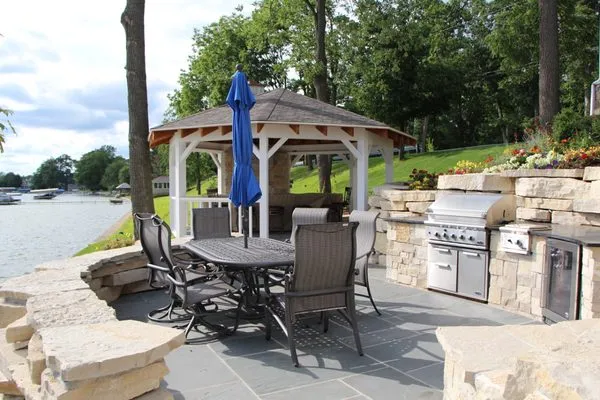
For over thirty years, G T Landscaping has been a trusted name in Beach Park, IL, dedicated to transforming both residential and commercial outdoor spaces. Our practice blends landscape architecture w...

VM Landscaping & Nursery
VM Landscaping & Nursery is a full-service landscaping company serving Beach Park, IL, specializing in landscape design, construction, and maintenance. We help homeowners and businesses create beautif...

Valdez Landscaping is a trusted landscaping and design company serving Beach Park, IL, and the surrounding areas. We specialize in professional landscape design that not only enhances your property's ...
R & R Landscaping is a trusted, locally-owned landscaping company serving Beach Park, IL, and the surrounding communities. We specialize in comprehensive shrub care and landscape maintenance, helping ...
Zavala’s Landscape
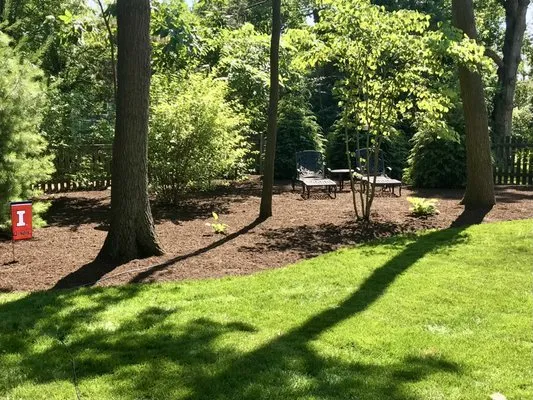
Zavala’s Landscape is a trusted, family-owned landscaping business serving Beach Park, IL, and the surrounding area. We specialize in transforming outdoor spaces into beautiful, functional extensions ...

J Valencia Landscaping
J Valencia Landscaping is your trusted, locally-owned partner for maintaining beautiful and healthy outdoor spaces in Beach Park, IL. We understand the specific challenges homeowners face in our commu...
Fer-Acosta's Landscaping is a family-owned and operated business that has been serving the greater Lake County and Beach Park, IL community for over 25 years. We are a fully licensed and insured Illin...
J-Olivarez Landscaping
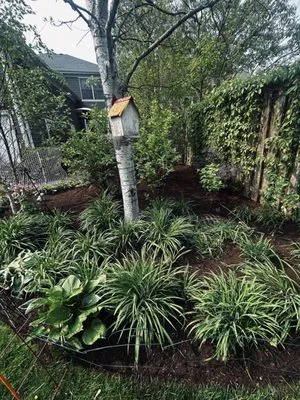
J-Olivarez Landscaping is a dedicated landscape design firm serving Beach Park, IL, and the surrounding North Shore communities. We understand the common local challenges homeowners face, such as land...
For over 15 years, Perez Tree & Landscaping has been the trusted local solution for Beach Park homeowners facing common outdoor challenges. We understand that unpredictable weather and soil conditions...
Question Answers
Our subdivision was built in the late 1980s. Why does our lawn soil seem so hard and compacted now?
Homes built around 1988, like those in Beach Park Estates, are on nearly 40-year-old landscapes. The original, fertile Mollisols topsoil was often stripped or compacted during construction. Decades of foot traffic and standard maintenance on this silt loam have degraded soil structure, reducing percolation and organic matter. Core aeration and incorporating compost are critical to rebuild soil health and mitigate the inherent compaction of this soil type.
What invasive species should we watch for, and how do we control them safely?
Common invasive alerts include creeping Charlie, garlic mustard, and Japanese knotweed. Manual removal is effective for early-stage infestations. For chemical controls, always use products labeled for the specific pest and apply according to the Illinois Phosphorus Fertilizer Law, which prohibits phosphorus-containing products on established turf. Treatment timing is critical to avoid ordinance blackout dates and protect soil biology.
Is there a lower-maintenance, eco-friendly alternative to our traditional turf grass?
Transitioning to a native plant community is a strategic long-term solution. Species like Little Bluestem, Purple Coneflower, and Butterfly Milkweed are adapted to Zone 5b, require no fertilization, and are deeply drought-resistant. This xeriscape reduces mowing, eliminates gas-powered blower use ahead of tightening noise ordinances, and provides critical habitat, aligning with 2026 biodiversity goals.
With voluntary water conservation in effect, how do we keep a Kentucky Bluegrass lawn healthy?
Stage 1 restrictions prioritize efficiency. Smart Wi-Fi controllers paired with in-ground soil moisture sensors are essential. This system irrigates based on actual evapotranspiration (ET) and soil conditions, not a fixed schedule. It applies water only when and where the Fine Fescue and Bluegrass blend needs it, often reducing usage by 20-30% while maintaining turf viability within municipal guidelines.
Are concrete pavers a better choice than wood for a new patio, considering longevity and fire safety?
Concrete pavers offer superior longevity in our climate, with a 25+ year lifespan versus wood's 10-15 years with maintenance. For fire-wise planning in this low-risk urban interface, pavers and crushed limestone create a non-combustible, defensible space perimeter. This inert material requires no sealing or staining, aligning with low-input landscape principles and providing permanent structure.
How quickly can a crew arrive for emergency storm damage cleanup or an HOA violation notice?
For urgent response, our primary dispatch route originates near Illinois Beach State Park, utilizing I-94 for direct access. During peak traffic, travel to Beach Park Estates is 45-60 minutes. We prioritize these calls with dedicated electric equipment fleets, which comply with the local 7:00 AM start time for noise-sensitive operations, ensuring rapid and compliant service.
We have seasonal ponding in our yard. What's a permanent solution that also handles runoff?
A high water table combined with compacted silt loam creates chronic ponding. The solution integrates subsurface drainage like French drains with surface grading. Using permeable materials such as crushed limestone for paths or concrete pavers set on a gravel base increases infiltration. This approach manages site water and helps meet the Village of Beach Park's stormwater runoff standards for new installations.
What permits and credentials are required for significant grading or landscape construction on a typical lot?
Any project altering drainage or adding substantial hardscape on a 0.35-acre lot typically requires a permit from the Village of Beach Park Building & Zoning Department. Contractors must hold an active license from the Illinois Department of Financial and Professional Regulation. This ensures they carry requisite insurance and understand local codes, which is vital for work that affects property grading and stormwater management.
