Top Landscaping Services in Batavia, IL, 60134 | Compare & Call

For over 24 years, All Around Landscaping has been the trusted local choice for Batavia homeowners, bringing Kirk's certified landscape design expertise directly to your property. We believe in 'Lands...

Lawn Doctor of Batavia-Aurora
Lawn Doctor of Batavia-Aurora is a trusted local provider serving Batavia, IL, with comprehensive lawn, pest, and tree care services. We specialize in addressing common local landscaping challenges li...
Neri Landscape has been serving Batavia and the surrounding Fox Valley communities since 1997, founded by George (Geno) Neri with a simple lawn mower and the vision to 'Create Beauty All Around You.' ...
Golden Willow Landscaping, a family-owned and operated business serving Batavia and the surrounding areas since 2009, is built on a foundation of passion and quality craftsmanship. Founded by Indaleci...
Dorado’s Landscaping Service
Dorado’s Landscaping Service is Batavia’s trusted partner for creating and maintaining beautiful, healthy outdoor spaces. We specialize in a full range of services from lawn care and shrub health to c...
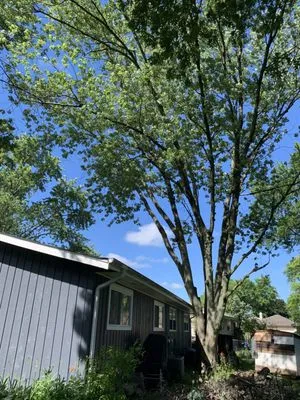
Munoz Landscaping Lawncare is a trusted local provider in Batavia, IL, specializing in comprehensive lawn, tree, and gutter services. Many Batavia homes face common landscaping challenges like bare la...
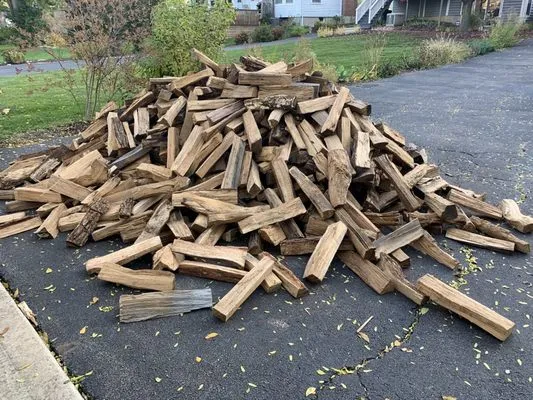
American Firewood and Landscaping has been a trusted local resource for Batavia, St. Charles, Aurora, and surrounding communities since 2010. We specialize in a full spectrum of property care, from es...
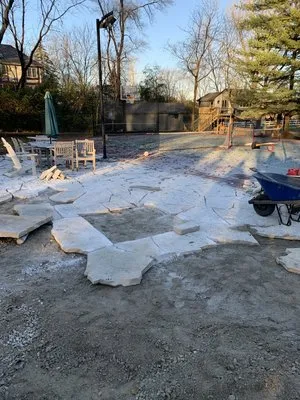
Josue Herrera Landscaping is your trusted Batavia partner for year-round outdoor care, specializing in lawn maintenance and reliable snow removal. For local homeowners, we understand the specific chal...
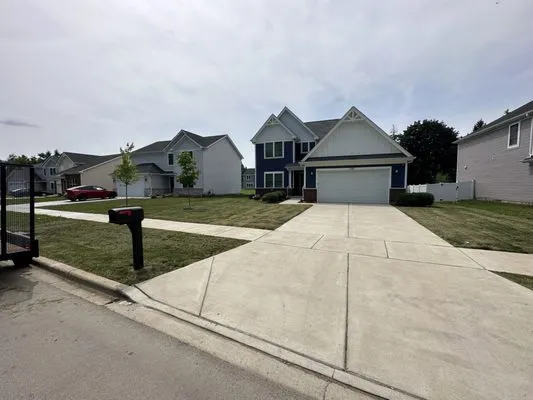
Riddle Lawn Care & Pressure Washing is your local Batavia specialist for keeping your property looking its best. We provide a practical range of services, from regular lawn maintenance and seasonal cl...
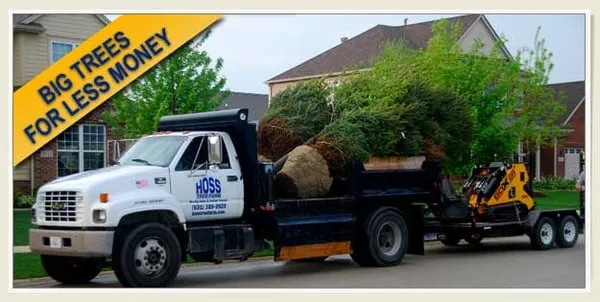
Hoss Tree Farm is a family-owned business deeply rooted in the Batavia community. Since 1999, we've been dedicated to serving the tree and landscaping needs of Northern Illinois. Our journey began as ...
Question Answers
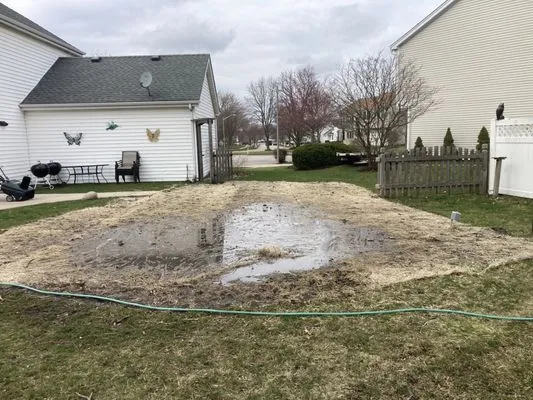
Our yard has pooling water in spring. What's a lasting solution for Batavia's seasonal high water table?
Mollisols' silty clay composition creates moderate runoff and a seasonal high water table. A graded French drain system, directing water away from foundations, is often necessary. For new hardscapes, specify permeable clay pavers or an open-graded crushed limestone base to increase surface infiltration. These solutions help manage runoff to meet Batavia Community Development Department's stormwater standards.
Does regrading my 0.22-acre lot or installing a large patio require a permit or a licensed contractor?
Yes. Significant earth moving or impermeable surface installation typically requires a review by the Batavia Community Development Department for drainage impact. Furthermore, contracting for this work legally requires a professional licensed by the Illinois Department of Financial and Professional Regulation. This ensures the contractor carries requisite insurance and that the work meets state building and environmental codes, protecting your property investment.
How can I maintain my Kentucky Bluegrass lawn during Batavia's Stage 1 water conservation without wasting water?
Wi-Fi ET-based weather-sensing irrigation is the precise tool for this. It automatically adjusts runtime by calculating daily evapotranspiration (ET) using local weather data. This system applies water only when and where your turfgrass blend truly needs it, often reducing usage by 20-30% compared to timer-based schedules. It keeps the lawn healthy while rigorously adhering to voluntary municipal conservation targets.
Are clay pavers and crushed limestone a better long-term choice than wood for patios and paths?
For longevity and permeability, mineral-based materials are superior. Clay pavers and crushed limestone have a lifespan measured in decades, resist frost heave, and require no chemical treatments. While Batavia has a low Firewise rating, these non-combustible materials inherently contribute to defensible space. Their durability and minimal maintenance offer a better lifecycle cost than wood, which decays and requires frequent replacement.
We have urgent HOA compliance needs or storm damage. What's your typical response time to the Historic District?
Our standard emergency response window is 20-30 minutes for priority calls. We dispatch from our central facility near the Batavia Depot Museum, taking IL-31 for direct access to the district. This routing avoids residential bottlenecks, ensuring crews with electric equipment—compliant with the 7 AM to 9 PM noise ordinance—arrive promptly for debris removal or safety mitigation.
My yard's soil seems heavy and doesn't drain well. Is this typical for homes in the Batavia Downtown Historic District?
Yes, this is expected for a property built around 1985, giving you roughly 40 years of soil maturation. Neighborhoods of this age in Batavia commonly have Mollisols, a silty clay loam with moderate permeability. Over decades, compaction from foot traffic and standard maintenance reduces pore space, slowing percolation. Annual core aeration and top-dressing with composted organic matter are critical to improve soil structure and water infiltration for root health.
What invasive species should I watch for, and how do I treat them without harming my lawn?
Common invaders here include creeping Charlie, garlic mustard, and Japanese knotweed. Manual removal is effective for small infestations. For chemical control, use a targeted, systemic herbicide applied in fall, carefully following label instructions to avoid drift. Crucially, any fertilizer used must be phosphorus-free in accordance with the Illinois Phosphorus Fertilizer Act, which prohibits P application on non-agricultural turf.
I want to reduce mowing and gas-powered maintenance. What are my best native plant options?
Transitioning perimeter beds to a palette of Batavia natives like Purple Coneflower, Little Bluestem, Butterfly Milkweed, and Wild Bergamot creates a low-input, biodiverse landscape. These deep-rooted perennials require no fertilization, minimal watering once established, and no weekly mowing. This approach future-proofs your property against potential tighter gas-blower restrictions and supports 2026 pollinator corridor initiatives.
