Top Landscaping Services in Bartonville, IL, 61605 | Compare & Call
There are 194 landscaping companies server in Bartonville IL
Summit Landscaping is a trusted Pekin, IL-based landscaping company dedicated to enhancing local outdoor spaces. We specialize in addressing common area issues like sprinkler coverage gaps and dying s...
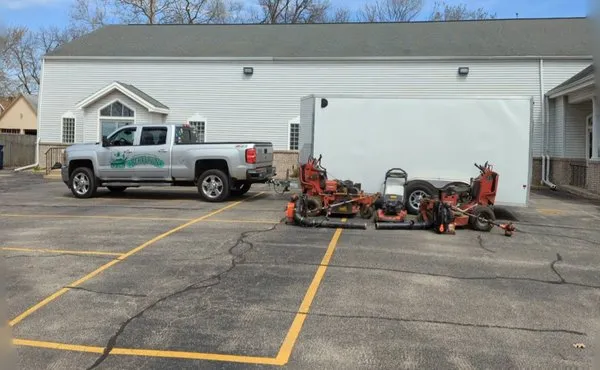
Founded in Pekin, IL, Behrlawn Mowing & Yardwork began three years ago with a single push mower and a commitment to a few local customers. That dedication to quality service has fueled steady growth, ...
J.M.Z Lawn Service is a trusted Pekin, IL-based provider specializing in comprehensive lawn care, deck services, and pressure washing. We help Pekin homeowners maintain beautiful, functional outdoor s...

D&A Power Washing and Lawn Care is your Pekin, IL neighbor for comprehensive lawn and property maintenance. We specialize in professional lawn care services and pressure washing to keep your outdoor s...
Call Jman is a trusted local landscaping company serving Pekin, IL, dedicated to helping homeowners maintain healthy, beautiful outdoor spaces. We specialize in addressing common local landscaping cha...
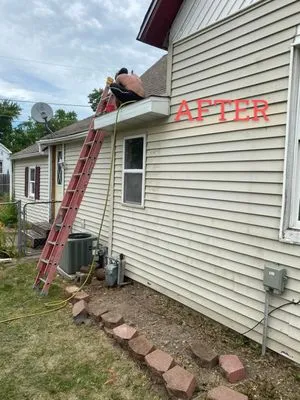
Grassassinator is a Pekin-based home services company specializing in lawn care, pressure washing, and painting solutions for local homeowners. We understand that many Pekin homes face landscaping cha...
Lick Creek Maintenance is a Pekin-based landscaping company dedicated to keeping local properties healthy and vibrant. We understand the common challenges Pekin homeowners face, such as patchy lawns f...
Mudd Construction is a trusted Pekin, IL contractor specializing in general construction, landscaping, and deck services. We help local homeowners address common landscaping issues like poor lawn grad...
JT's Lawn Care is a trusted local lawn service provider in Pekin, IL, dedicated to maintaining healthy, vibrant lawns for homeowners and businesses. We specialize in comprehensive lawn care solutions,...
Noobeus Times is a trusted Pekin, IL-based lawn care and handyman service dedicated to helping local homeowners maintain healthy, beautiful outdoor spaces. We specialize in addressing common Central I...
Estimated Landscaping Service Costs in Bartonville, IL
Frequently Asked Questions
What are the most aggressive weeds here, and how do I treat them without harming my lawn?
In this area, invasive species like creeping Charlie, bindweed, and Japanese knotweed pose significant threats. Effective control combines targeted manual removal with precise, late-season herbicide applications timed for root translocation. All treatments strictly adhere to statewide phosphorus application restrictions and avoid blackout dates to protect local watersheds, prioritizing soil health and non-target plant safety.
Why does my soil in Alpha Park seem so hard and lifeless compared to newer neighborhoods?
Homes in Alpha Park, built around 1956, sit on 70-year-old residential soil. Decades of foot traffic and conventional maintenance have compacted the native silt loam, reducing its permeability and oxygen content for roots. This soil type, with a pH of 6.5-7.2, naturally becomes dense, severely limiting water infiltration and beneficial microbial activity. Restoring health requires core aeration and incorporating compost to rebuild organic matter and soil structure.
My yard stays soggy for days after a rain. What's a permanent solution?
Seasonal saturation is common in Bartonville's silt loam soil due to its moderate runoff and slow percolation. A graded French drain system can intercept and redirect subsurface water. For new installations, specify permeable jointing sand for concrete pavers or use open-graded crushed limestone to increase surface infiltration, which helps projects meet Bartonville Planning & Zoning Department runoff management standards.
How quickly can you respond to an emergency like a storm-damaged tree blocking a driveway?
Our emergency dispatch from the Bartonville Town Hall uses I-474 for direct access to Alpha Park, ensuring a 20-30 minute arrival during peak hours for critical safety issues. We prioritize downed limbs threatening structures or blocking egress. The crew arrives with an electric-powered chipper and saws, which comply with the standard 7:00 AM noise ordinance start time, allowing for immediate, quiet work.
Are concrete pavers a better long-term choice than wood for a new patio?
For longevity and reduced maintenance, concrete pavers far exceed wood. They resist rot, insect damage, and frost heave, offering a 30+ year lifespan with minimal upkeep. Their non-combustible nature also contributes to a Low Fire Wise Rating, maintaining critical defensible space in suburban settings. Crushed limestone pathways offer similar durability and excellent permeability for surface drainage.
Why do some landscaping projects require a permit or a licensed contractor?
Significant alterations to land, like regrading a 0.35-acre lot or installing retaining walls over certain heights, require a permit from the Bartonville Planning & Zoning Department to ensure proper drainage and compliance with codes. State law mandates that such work be performed by a professional licensed by the Illinois Department of Financial and Professional Regulation, which guarantees expertise in structural integrity and environmental compliance.
Is it wasteful to run sprinklers when there are no official water restrictions in place?
Even under Stage 0 restrictions, efficient water use is critical for long-term resource conservation and turf health. Smart Wi-Fi ET-based controllers adjust runtime daily based on local evapotranspiration data, weather, and soil moisture. This technology prevents overwatering your Kentucky Bluegrass and Tall Fescue blend, saving thousands of gallons annually while maintaining vigor and deep root growth.
I'm tired of weekly mowing. Are there lower-maintenance options that still look good?
Replacing high-input turf areas with a native plant community is a strategic, climate-adaptive solution. Species like Purple Coneflower, Butterfly Milkweed, Little Bluestem, and Wild Bergamot are evolved for Zone 5b, requiring no fertilization, minimal water once established, and no weekly mowing. This transition also future-proofs your property against evolving noise ordinances targeting gas-powered blowers and mowers.
