Top Landscaping Services in Bartlett, IL, 60103 | Compare & Call

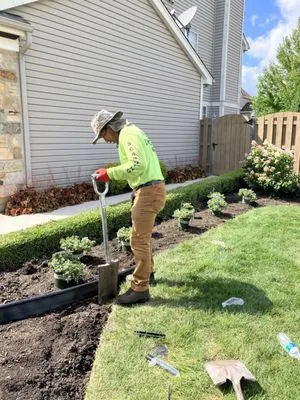
Scardino Landscape & Design is a Bartlett-based landscaping company owned and operated since 2008, specializing in comprehensive outdoor solutions for local homeowners. We focus on creating durable, e...
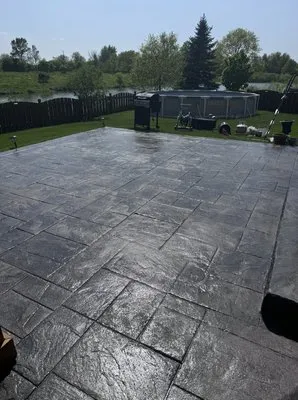
J Curiel Lawn Care is a dedicated Bartlett lawn service focused on creating and maintaining healthy, resilient yards for local homeowners. We understand the common local challenges of persistent weed ...
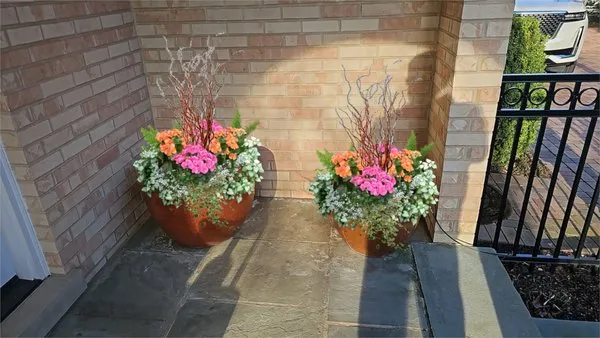
Alan Horticulture has been a trusted part of the Bartlett, IL, community since 1978, providing reliable, licensed, and insured landscaping and property care. From custom patio and walkway construction...
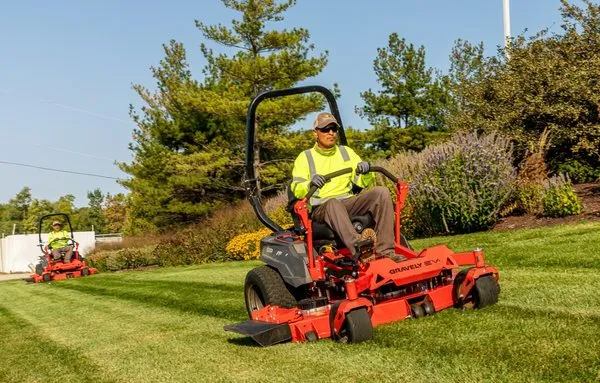
Sebert Landscaping has been a trusted commercial landscaping partner in the Chicago area since 1985, building lasting relationships through reliable landscape maintenance, construction, and snow remov...

Bill's Landscaping has been a trusted Bartlett landscape contractor since 1998, specializing in residential landscaping and lawn maintenance for over 450 customers throughout Chicago's western suburbs...
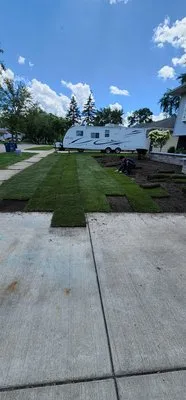
Infinite Green Landscaping is a Bartlett-based tree service and landscaping company founded by Josue R. With over five years of hands-on experience, Josue leads a team of professionals dedicated to cr...

Anderson Davis Landscaping has been serving Bartlett, IL and surrounding areas since 2003, providing reliable snow removal and comprehensive landscaping services. As a locally-owned small business, we...
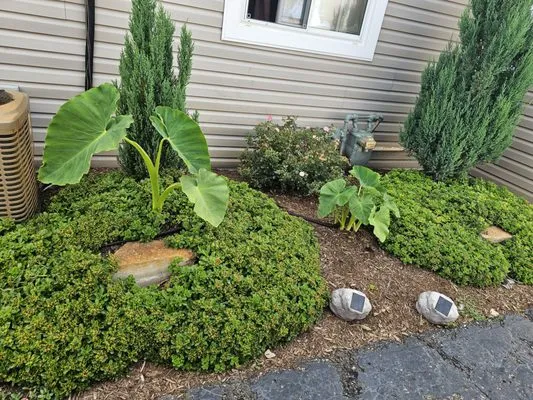
J & J Landscaping is a trusted Bartlett, IL, company specializing in landscaping, tree services, and patio coverings. We understand the unique challenges local homeowners face, such as unsightly tree ...
A Curiel Landscaping is a Bartlett-based lawn service provider dedicated to helping local homeowners achieve and maintain healthy, vibrant outdoor spaces. We specialize in comprehensive lawn care solu...
Before and After Landscape Design in Bartlett, IL is a family-owned landscaping company with over 20 years of experience serving the Chicago suburbs. They specialize in custom landscape design and ins...
Question Answers
Are concrete pavers better than wood for Bartlett patios?
Concrete pavers offer superior longevity in Bartlett's Zone 5b climate, withstanding freeze-thaw cycles better than wood decking. Their non-combustible nature supports the low fire-wise rating requirements for urban interface areas by creating defensible space. Unlike wood, pavers don't require annual sealing or replacement due to rot, making them more sustainable over a 20+ year lifespan while maintaining permeability for drainage compliance.
How do I control invasive species without violating fertilizer rules?
Identify common invaders like garlic mustard or buckthorn early through seasonal monitoring. Mechanical removal before seed set avoids chemical treatments that might conflict with Illinois Nutrient Management Plan phosphorus restrictions. For persistent problems, targeted spot treatments using EPA-approved herbicides can be applied outside blackout dates. Always document control methods to demonstrate compliance with Bartlett's urban interface fire-wise requirements.
What permits and licenses are needed for grading my quarter-acre lot?
Grading work on 0.25-acre Bartlett properties requires a permit from the Village of Bartlett Building & Zoning Department to ensure proper stormwater management. Contractors must hold appropriate licensing through the Illinois Department of Financial and Professional Regulation, particularly for earth-moving operations that affect drainage patterns. Unlicensed grading can lead to code violations, neighbor disputes over runoff, and potential fines for non-compliance with local erosion control standards.
How quickly can you respond to storm damage for HOA compliance?
Emergency cleanup crews dispatch from the Bartlett Metra Station area via IL-59, arriving within 15-25 minutes during peak response times. This routing avoids residential congestion while meeting noise ordinance restrictions that limit operations to 7:00 AM - 9:00 PM. Electric maintenance fleets enable quiet debris removal that complies with Bartlett's urban interface requirements while addressing immediate safety hazards.
Should I replace high-maintenance turf with native plants?
Transitioning to Purple Coneflower, Little Bluestem, Swamp Milkweed, and Wild Bergamot reduces maintenance demands while supporting local biodiversity. These natives require minimal watering once established and eliminate weekly mowing from May through October. The shift aligns with Bartlett's move toward electric equipment by reducing gas-powered mower and blower usage, staying ahead of evolving noise ordinance restrictions while creating habitat for pollinators.
What solutions work for clay soil drainage problems in Bartlett?
Drummer Silty Clay Loam has naturally poor infiltration, requiring engineered solutions. Permeable concrete pavers or crushed limestone installations create subsurface drainage channels that meet Village of Bartlett runoff standards. These materials allow water to percolate through joints and voids rather than creating surface flow. Combined with French drains and rain gardens, this approach manages stormwater while preventing foundation damage common in Bartlett's soil conditions.
Why does my Bartlett lawn have drainage issues despite regular care?
Downtown Bartlett properties built around 1991 have soil that has matured for approximately 35 years. The Drummer Silty Clay Loam common in this neighborhood develops compaction layers over time, reducing permeability. Core aeration with organic amendments like composted leaf mold addresses this by improving soil structure and water infiltration. Without intervention, the high clay content leads to poor percolation and surface runoff during heavy rains.
Will smart irrigation keep my Kentucky Bluegrass healthy under water restrictions?
Wi-Fi ET-based weather sensing irrigation systems automatically adjust watering schedules based on real-time evapotranspiration data. This technology maintains turf health while staying within Bartlett's Stage 1 water restrictions by applying only necessary moisture. The system accounts for soil type, plant water needs, and local weather patterns, typically reducing water usage by 20-30% compared to traditional timers while preserving fine fescue blends.
