Top Landscaping Services in Arbury Hills, IL, 60448 | Compare & Call
There are 194 landscaping companies server in Arbury Hills IL
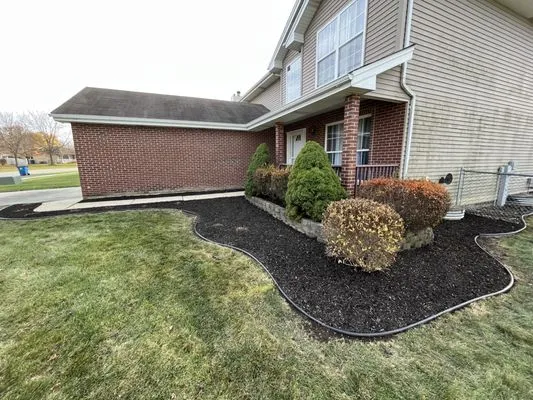
RJ Landscape & Lawn Maintenance is a full-service landscaping company serving Frankfort, IL, dedicated to transforming outdoor spaces and solving common local landscaping challenges. We specialize in ...

Southwest Landscaping & Lawn Care is a family-owned business serving Palos Heights, IL, since October 2023. As a sole proprietor, I focus on providing affordable, high-quality landscaping and lawn ser...
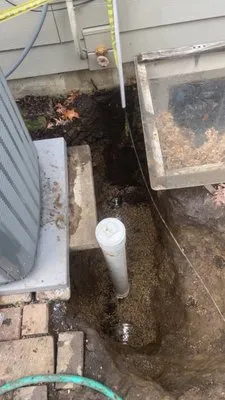
Fred & Sons Home Services is a trusted, family-owned company serving Downers Grove and surrounding areas. We provide comprehensive plumbing, masonry, and landscaping solutions to address the full rang...
Landscape Associates is a Frankfort-based landscaping company founded in 1989. We specialize in creating and maintaining healthy, vibrant outdoor spaces for local homes. Our core services include comp...
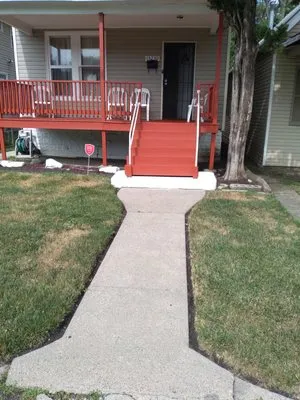
The Moore Group 71 is a trusted Frankfort, IL contractor providing essential home maintenance services including carpentry, lawn care, and snow removal. For local homeowners dealing with common landsc...
All Home Stuff Enterprise Lawn Care Service is your local Frankfort expert, dedicated to solving the common lawn problems homeowners face. We understand that issues like uneven sprinkler coverage and ...
The Pond Beyond is a Master Certified Aquascape Contractor serving Frankfort, IL, with over a decade of expertise in creating custom water features and natural stone structures. Specializing in ponds,...
Evergreen Landscaping is a trusted local landscaping company serving Mokena, IL, and the surrounding areas. We specialize in addressing common residential landscaping challenges that homeowners in our...
Bernat Landscaping is a family-owned and operated business proudly serving Mokena, IL, and the surrounding Will and southern Cook Counties. Rooted in a commitment to local property care, we provide re...
Mid America Tree & Landscape is a trusted, full-service landscaping company serving Mokena and the surrounding communities. We understand the common local challenges homeowners face, such as inefficie...
Estimated Landscaping Service Costs in Arbury Hills, IL
Frequently Asked Questions
What solutions address poor infiltration in Arbury Hills' clay subsoil?
Clay subsoil compaction creates permeability rates below 0.25 inches per hour, requiring engineered drainage solutions. We install French drains with clean washed gravel and perforated pipe at 18-24 inch depths, sloping 1% toward daylight or dry wells. Permeable concrete pavers with joint spacing filled with angular stone provide 30-40% void space for surface water infiltration, meeting Arbury Hills Building and Zoning Department runoff standards. These systems work with the native silt loam's characteristics to redirect 90% of stormwater from foundations while recharging groundwater through controlled percolation.
Why does my Arbury Estates lawn have drainage issues and compacted soil?
Arbury Hills properties built around 1969 have 57-year-old soil systems where decades of foot traffic and equipment use have compressed the native Mollisols silt loam. This soil type naturally has moderate permeability, but compaction from years of maintenance reduces pore space, limiting water infiltration to 0.5 inches per hour. Core aeration every 2-3 years combined with 0.25 inches of compost topdressing can rebuild soil structure by increasing organic matter from the current 2-3% to the ideal 5% range. Soil tests from the University of Illinois Extension typically show pH levels between 6.8-7.2, which is optimal for most turf but requires specific amendments for acid-loving natives.
Are concrete pavers better than wood for Arbury Hills patios and walkways?
Concrete pavers offer 30+ year lifespans with minimal maintenance, compared to 10-15 years for pressure-treated wood in USDA Zone 6a's freeze-thaw cycles. Their non-combustible nature supports the Low Fire Wise Rating by creating defensible space without adding fuel loads near structures. Properly installed with geotextile fabric and compacted base materials, pavers maintain permeability while withstanding the region's -10°F to 95°F temperature range. Unlike wood, they resist rot, insect damage, and moisture absorption, maintaining structural integrity through Arbury Hills' seasonal precipitation patterns without chemical treatments.
How quickly can you respond to emergency storm damage for HOA compliance?
Our electric maintenance fleet can dispatch from Arbury Hills Village Hall within 30 minutes during peak response windows, using I-80 for efficient access to Arbury Estates. Electric equipment operates within the 7:00 AM to 7:00 PM noise ordinance while providing immediate debris removal and safety hazard mitigation. We prioritize downed limbs blocking driveways and damaged trees threatening structures, with full site assessment completed within 2 hours of arrival. This rapid response prevents HOA violations while ensuring property safety during extreme weather events common in USDA Zone 6a.
How can I maintain my Kentucky Bluegrass/Tall Fescue blend during Stage 1 water restrictions?
EPA WaterSense Certified weather-based controllers adjust irrigation schedules using real-time evapotranspiration data from local weather stations. These systems reduce water use by 20-30% compared to traditional timers while maintaining turf health through precise moisture management. During normal operations, we program 0.75 inches of water weekly, applied in early morning cycles to minimize evaporation loss. The controller automatically skips cycles after rainfall and adjusts for temperature fluctuations, ensuring compliance with municipal water limits while preserving the cool-season grass blend's root depth of 6-8 inches.
Should I replace high-maintenance turf with native plants in my Arbury Hills yard?
Transitioning to Purple Coneflower, Little Bluestem, Butterfly Weed, and Wild Bergamot reduces maintenance frequency by 70% while supporting local pollinator populations. Native plantings require no gas-powered equipment after establishment, aligning with evolving noise ordinances restricting blower use. These species thrive in Mollisols soil with pH 6.8-7.2 and need only 12-18 inches of water annually once established, compared to 24-36 inches for traditional turf. The deep root systems of Little Bluestem (3-5 feet) improve soil structure and carbon sequestration, creating a resilient landscape that meets 2026 biodiversity standards.
What permits and licenses are required for grading work on my 0.35-acre Arbury Hills property?
The Arbury Hills Building and Zoning Department requires permits for any grading altering more than 100 cubic yards of soil or changing drainage patterns. Contractors must hold Illinois Department of Financial and Professional Regulation landscaping licenses with specific endorsements for earth moving and erosion control. On 0.35-acre lots, professional licensing ensures proper slope calculations (maximum 3:1 ratio), sediment barrier installation, and compliance with Illinois Nutrient Runoff Law during soil disturbance. Licensed professionals carry insurance covering potential subsurface utility damage and guarantee work meets municipal standards for stormwater management on properties with clay subsoil compaction issues.
What invasive species threaten Arbury Hills landscapes and how are they managed?
Japanese knotweed and garlic mustard present significant risks in Arbury Estates, spreading rapidly through rhizomes and seed banks. We implement integrated pest management starting with manual removal during early growth stages, followed by targeted herbicide applications only when necessary. All treatments comply with Illinois Nutrient Runoff Law by avoiding phosphorus unless soil tests confirm deficiency, and we schedule applications outside of blackout dates to protect waterways. Monitoring programs track re-infestation rates while promoting native competitors like Butterfly Weed that naturally suppress invasive establishment through resource competition.
