Top Landscaping Services in Algonquin, IL, 60013 | Compare & Call
There are 168 landscaping companies server in Algonquin IL
Designs For You is a Lake In The Hills landscaping company that has been transforming outdoor spaces since 1991. We specialize in comprehensive landscape solutions for residential and commercial prope...
Orozco Landscape is a dedicated landscaping and design company serving Bull Valley and the surrounding McHenry County area. We specialize in creating beautiful, functional, and resilient outdoor space...
NKL Small Engine Repair is a trusted local service provider in Cary, IL, dedicated to keeping the community's outdoor power equipment and landscapes in excellent condition. Founded on a commitment to ...
Trojan Landscaping is a Cary-based landscaping company founded by local professionals who began their journey in high school and have built six years of hands-on experience. We specialize in transform...
Ferreira Tree Service Expert is a trusted local provider in Lake in the Hills, IL, specializing in comprehensive tree care and landscaping solutions. We address common local issues like landscape edgi...
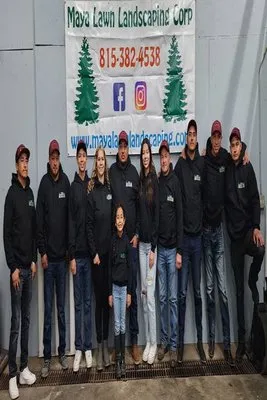
Maya Lawn Landscaping Corp. has been Harvard's trusted landscaping partner since 2005, serving McHenry County and surrounding areas. As a locally owned and operated business, we specialize in comprehe...
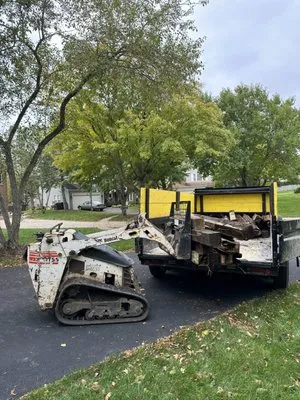
Smile Property Maintenance is your trusted local partner for comprehensive outdoor care in Lake in the Hills, IL. We take pride in handling every project, from routine lawn maintenance to complex tree...
Black Creek is a trusted tree and lawn service provider serving Algonquin, IL, and surrounding areas. With expertise in both tree care and lawn maintenance, we help homeowners maintain healthy, beauti...
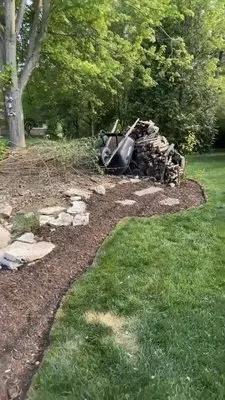
Nate's Quality Lawn Care Services in Algonquin, IL, is a locally owned and operated business founded by Nate, a dedicated 21-year-old entrepreneur with over two years of hands-on experience in the lan...
Stand-up Landscaping is a trusted local landscaping company serving Lake in the Hills, IL, and surrounding areas. We specialize in comprehensive lawn care and irrigation solutions tailored to the uniq...
Estimated Landscaping Service Costs in Algonquin, IL
Question Answers
I see an invasive vine taking over my shrubs. How should I handle it?
Common invasive alerts for this area include Oriental Bittersweet and Buckthorn. Correct identification is essential before treatment. Manual removal is best for small infestations. For larger problems, a targeted, systemic herbicide applied in late summer or fall is most effective. Any fertilizer application must comply with the statewide phosphorus ban; these treatments are exempt but should be timed to avoid runoff into the sensitive water table. Always follow label instructions precisely.
Do I need a permit to regrade my backyard for better drainage?
Yes, significant regrading on a 0.25-acre lot typically requires a permit from the Algonquin Community Development Department to ensure compliance with drainage and erosion control ordinances. Furthermore, this work must be performed by a contractor licensed by the Illinois Department of Financial and Professional Regulation. Licensed professionals carry the required insurance and understand how to manage soil redistribution without negatively affecting neighboring properties or municipal storm systems.
My lawn seems thin and struggles in the heat. Could the soil be the issue?
Properties in Old Town Algonquin, built around 1994, have soil that is now over 30 years old. The original Mollisols/silt loam is often severely compacted from construction and decades of foot traffic, reducing pore space and oxygen for roots. This compaction hinders water infiltration, directly opposing the area's naturally high seasonal water table. Core aeration and incorporating organic compost are necessary to restore soil structure and biological activity, improving turf resilience.
A storm damaged a large tree limb. How quickly can a crew respond for emergency cleanup?
An emergency crew can typically be dispatched within the hour for a safety hazard. From our staging area near Towne Park, the route via IL-31/IL-62 to most Old Town Algonquin addresses takes 25-35 minutes during peak traffic. All work would be scheduled within the local noise ordinance hours of 7:00 AM to 9:00 PM. We prioritize securing the site and clearing debris to mitigate immediate property damage and liability.
How can I keep my lawn green during summer without violating water restrictions?
Under Algonquin's Stage 1 voluntary conservation, efficient water use is critical. A Wi-Fi ET-based irrigation system uses local weather data to apply only the water lost to evapotranspiration, preventing overwatering. For your Kentucky Bluegrass and Tall Fescue blend, this means deeper, less frequent watering cycles that encourage drought-tolerant root growth. This technology, combined with proper mowing height, maintains turf health while keeping your water usage well within recommended municipal limits.
Are permeable pavers a better choice than a wooden deck?
For durability and low maintenance in our climate, permeable concrete pavers are superior. They withstand freeze-thaw cycles without rotting, warping, or requiring staining. Their permeability manages runoff on-site, a key benefit given local drainage concerns. From a Firewise perspective, pavers provide a non-combustible, defensible space material, which is a prudent consideration for properties rated at a Moderate Urban Interface risk, unlike wood.
My yard has persistent soggy areas after rain. What's the solution?
This is a common issue with Algonquin's silt loam soil and high seasonal water table, which leads to poor infiltration. The solution involves redirecting surface water and improving sub-surface permeability. Installing a French drain system or dry creek bed can channel water away. For new patios or walkways, using permeable concrete pavers increases ground absorption and can help projects meet the Algonquin Community Development Department's stormwater runoff standards.
I want to reduce mowing and chemical use. What are my options?
Transitioning high-maintenance turf areas to a native plant community is a strategic long-term solution. Species like Purple Coneflower, Little Bluestem, and Butterfly Milkweed are adapted to Zone 5b and require no fertilization, minimal watering, and infrequent cutting. This reduces reliance on gas-powered equipment, aligning with evolving noise ordinances and carbon reduction goals. The resulting landscape provides critical habitat and is inherently more resilient to local climate stresses.
