Top Landscaping Services in Sandpoint, ID, 83864 | Compare & Call
There are 67 landscaping companies server in Sandpoint ID
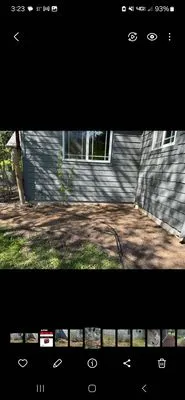
M & J Landscaping Services is a full-service landscaping company serving Sagle, ID, and the surrounding areas. We specialize in comprehensive landscape solutions, from design and installation to ongoi...
Woodward Industries is a trusted landscaping company serving Ponderay, Idaho, and the surrounding areas. We specialize in comprehensive lawn care and tree management solutions tailored to the unique c...
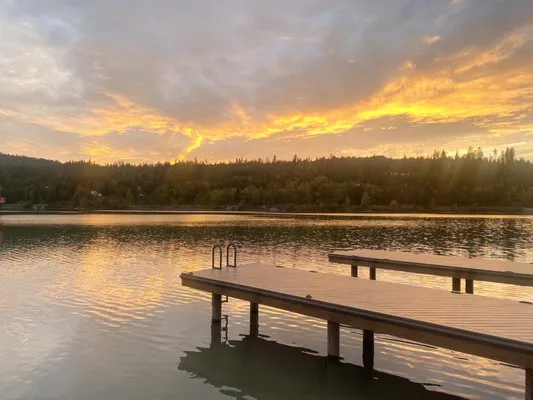
North Idaho Water Features Docks & Landscaping
North Idaho Water Features Docks & Landscaping, LLC is a Sagle-based contractor dedicated to transforming properties, especially those on the water. With over a decade of experience in the local envir...
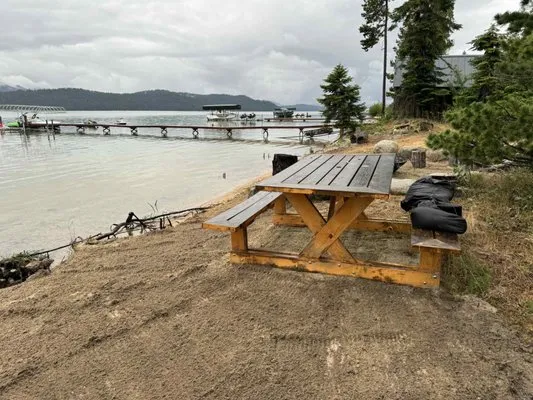
Short Landscaping and DirtWork
Short Landscaping and DirtWork is a Priest River-based company offering comprehensive landscaping, junk removal, and tree services for residential and commercial properties throughout the area. We spe...
AV Property Services
AV Property Services is a licensed and tenured Ponderay contractor with over 20 years of experience in landscaping and property care. We are dedicated to delivering durable, lasting results with compl...
Back to Eden Solutions
Back to Eden Solutions is a Bonners Ferry landscaping company specializing in creating and maintaining resilient outdoor spaces for the local climate. We address common local challenges like moss grow...
Show and Tell Services is your trusted local handyman and property care provider in Sagle, ID, specializing in handyman repairs, pressure washing, and lawn services. We understand the unique challenge...
Estimated Landscaping Service Costs in Sandpoint, ID
FAQs
Every spring, parts of my yard turn into a soggy mess from snowmelt. What's a long-term fix that won't look out of place?
Seasonal saturation from a high water table is common in Sandpoint's silty loam soils. A graded French drain system channeling water away from the foundation is often the primary solution. For surfacing, using local basalt pavers or permeable crushed granite in patios and paths allows stormwater to infiltrate directly, reducing surface runoff. This approach meets Sandpoint Planning Department standards for onsite water management and creates a dry, functional landscape that complements the natural aesthetic.
A windstorm damaged trees and scattered debris across my yard, and my HOA requires a cleanup within 48 hours. How quickly can a professional crew respond?
For an emergency cleanup in Downtown Sandpoint, a dispatched crew can typically be on-site within 15-20 minutes during a peak event. The standard route originates from our central dispatch near City Beach Park, proceeding south via US-95. Crews carry chippers, loaders, and safety gear on board to immediately address fallen limbs, debris, and safety hazards, ensuring your property meets HOA compliance standards without delay.
We're building a new patio and are deciding between wood decking and local stone. Which is better for longevity and fire safety here?
Local basalt pavers or permeable crushed granite offer superior longevity and align with the Moderate Fire Wise rating for our Wildland-Urban Interface. These non-combustible materials create defensible space, a key safety requirement. Compared to wood, which requires regular sealing and is susceptible to moisture and decay, basalt is virtually maintenance-free and withstands freeze-thaw cycles. For durability, safety, and permeability, natural stone hardscape is the recommended choice for Sandpoint homes.
We want to regrade our 0.15-acre lot to improve drainage. What permits and contractor qualifications do we need?
Significant grading on a 0.15-acre lot typically requires a site development permit from the Sandpoint Planning and Community Development Department to ensure proper stormwater management and compliance with zoning codes. The contractor must hold appropriate licensing through the Idaho Bureau of Occupational Licenses. This ensures they carry the necessary insurance, understand state excavation safety standards, and are qualified to perform the engineered work, protecting you from liability and substandard results.
With Sandpoint under Stage 1 voluntary water conservation, how can I keep my lawn healthy without wasting water?
Smart Wi-Fi controllers paired with Evapotranspiration (ET) and soil moisture sensors are the precise solution. These systems automatically adjust watering schedules based on real-time weather data and actual soil conditions, preventing irrigation during rain or high humidity. This technology can reduce outdoor water use by 20-30% while maintaining the soil moisture levels Fine Fescue blends require. It ensures compliance with conservation goals and promotes deeper root growth, making your turf more drought-resilient.
I'm tired of the weekly mowing and gas blower noise. Are there lower-maintenance, eco-friendly alternatives for my yard?
Transitioning to a landscape dominated by regionally native plants like Western Serviceberry, Red-osier Dogwood, and Blanketflower drastically reduces maintenance. These plants are adapted to local rainfall, require no fertilization, and support local pollinators. This shift eliminates weekly mowing and preemptively addresses evolving noise ordinances targeting gas-powered equipment. An electric maintenance fleet can then quietly manage the remaining minimal upkeep, aligning with 2026 sustainability and biodiversity standards.
I've spotted what looks like invasive Knotweed starting near my property line. How should I handle it without harming Lake Pend Oreille?
Early identification and targeted action are crucial for invasive species like Knotweed. Manual removal for small patches or precise, foliar-applied herbicide by a licensed professional for larger infestations are effective. All treatment must adhere to Idaho's Best Management Practices for Nitrogen, avoiding application near water bodies or during prohibited blackout dates to protect Lake Pend Oreille. A certified professional will ensure the method used is both effective for eradication and fully compliant with local ordinances.
Our home was built around 1980, like many in Downtown Sandpoint. Is there a reason our lawn seems compacted and struggles to thrive?
A 46-year-old lot indicates mature soil, but residential development often leads to compaction from construction equipment and repeated foot traffic. The slightly acidic silty loam common here has moderate permeability, which compaction reduces further, limiting root growth and water infiltration. Core aeration every 1-2 years is critical to relieve this compaction and incorporate organic matter like compost. This process improves soil structure, enhances microbial activity, and allows your Kentucky Bluegrass blend to establish a deeper, more resilient root system.
