Top Landscaping Services in Riverside, ID, 83221 | Compare & Call
There are 205 landscaping companies server in Riverside ID
Turfco Lawn and Pest
Turfco Lawn and Pest is a locally owned and operated service in Idaho Falls, ID, founded by Certified Arborist Kaleb Phelps. With a background in lawn and tree care, Kaleb combines his education from ...
Lawn Tact is a local landscaping and irrigation company serving Idaho Falls and the surrounding area. We specialize in creating and maintaining beautiful, functional outdoor spaces tailored to our reg...
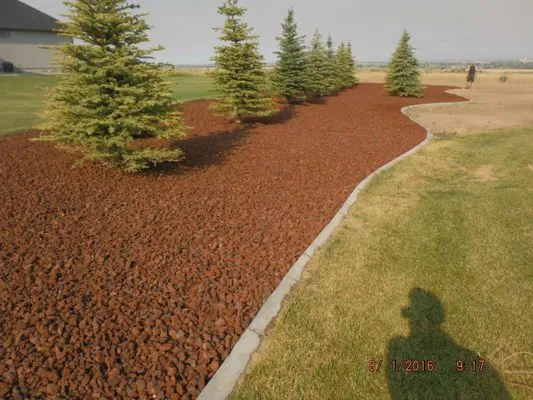
Advanced Landscaping LLC has been a trusted, locally owned and operated landscape partner for Idaho Falls and southeast Idaho since 2006. We are a full-service contractor handling everything from smal...
T & T Lawn Services
T & T Lawn Services has been a trusted provider of comprehensive lawn care solutions for residential and commercial clients in Idaho Falls since 1997. We specialize in landscaping, irrigation systems,...
Tru Quality Landscaping is a trusted local landscaping company serving Ammon, Idaho, specializing in comprehensive landscape and irrigation solutions. We help homeowners address common local issues li...
Lawrence Landscaping
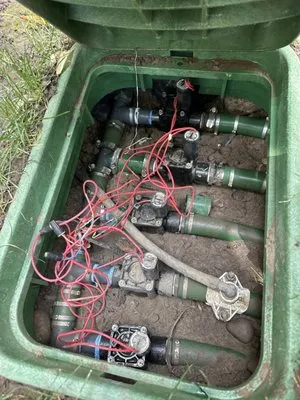
Lawrence Landscaping is a full-service landscaping and masonry company serving Idaho Falls, ID, specializing in comprehensive outdoor solutions. We offer driveway and walkway construction, retaining w...
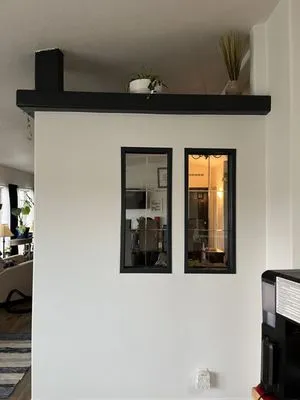
Heriza’s Home Repair and Landscaping
Heriza's Home Repair and Landscaping is a trusted local business serving Idaho Falls homeowners with comprehensive repair and improvement services. We specialize in both interior home maintenance and ...
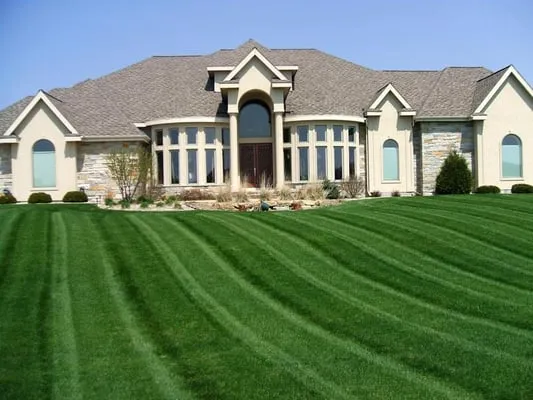
Turfco is an Idaho Falls-based lawn, tree, and pest control service founded by Certified Arborist Kaleb Phelps. After earning his bachelor's degree from BYU-Idaho and an MPA from Boise State, Kaleb co...
KC Lawn Care is a trusted, locally-owned lawn and landscape provider serving Idaho Falls and the surrounding area. With over five years of dedicated service, we focus on building lasting relationships...
Noah's Lawn Care
Noah's Lawn Care began with a simple act of neighborly help. While walking a dog for a church member in Idaho Falls, Noah noticed she could use assistance with her yard. After offering his help and de...
Estimated Landscaping Service Costs in Riverside, ID
Questions and Answers
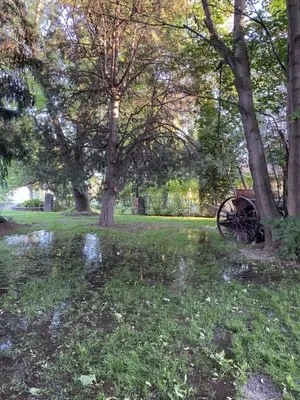
My yard gets soggy in spring. What's the best fix?
Moderate runoff from seasonal high water tables is common in Riverside's silt loam soils. A graded French drain system channeling water away from foundations is often the primary solution. Using permeable materials like crushed basalt for patios or walkways increases ground absorption. All significant grading and drainage work must be designed to meet Bingham County Planning & Zoning Department runoff standards, which often require a permit.
Is local river rock a better choice than wood for a new patio?
For longevity and fire resilience, mineral hardscapes like local river rock or crushed basalt are superior. They do not decompose, attract pests, or require chemical treatments. In Riverside's Moderate (WUI Zone 2) fire risk area, using non-combustible materials for the first 5 feet around your home is a key defensible space practice. These materials also integrate seamlessly with the native landscape aesthetic.
Why do I need a licensed contractor for a simple grading project?
On a 0.35-acre lot, altering topography affects stormwater runoff patterns for your entire property and potentially your neighbors'. The Bingham County Planning & Zoning Department requires permits for significant grading to ensure compliance with county codes. Only contractors licensed by the Idaho Division of Occupational and Professional Licenses carry the required insurance and expertise to execute plans that avoid future drainage or erosion liabilities.
How can I keep my lawn green during summer water restrictions?
Under Stage 1 voluntary conservation, smart Wi-Fi ET-based irrigation controllers are critical. They automatically adjust watering schedules based on real-time evapotranspiration data, preventing overwatering. For Kentucky Bluegrass, this means deep, infrequent watering cycles that encourage deeper root growth, maximizing efficiency. This technology can reduce outdoor water use by 20-30% while maintaining turf health within municipal guidelines.
I'm tired of weekly mowing. Are there lower-maintenance options?
Yes. Transitioning sections of high-input Kentucky Bluegrass to a climate-adaptive xeriscape with native plants like Bluebunch Wheatgrass and Rocky Mountain Penstemon drastically reduces water, mowing, and chemical needs. These deep-rooted natives support local biodiversity and require no gas-powered maintenance, aligning with evolving noise ordinances that restrict gas blowers and mowers. This builds long-term resilience.
What are the biggest weed threats and how do I manage them safely?
In this area, invasive species like Cheatgrass and Whitetop are primary alerts. Management involves pre-emergent herbicides applied before mid-April mulching and careful post-emergent spot treatments. All applications must follow the Idaho State Standard Nutrient Management Guidelines, which prohibit certain fertilizers during blackout dates to protect watersheds. Promoting dense, healthy turf and native plantings is the best defense.
What's the fastest way to get emergency storm cleanup?
For urgent HOA compliance or post-storm debris removal, a crew can dispatch from Riverside Park via ID-55, reaching most Riverside Estates addresses within the 25-35 minute peak response window. We coordinate with county stormwater management and prioritize routes to clear drainage paths and mitigate hazards, using electric equipment to comply with daytime noise ordinances starting at 7 AM.
Why does my soil seem so hard and dry, even after watering?
Properties in Riverside Estates, built around 1978, have nearly 50-year-old landscapes where soil has become heavily compacted. The native slightly alkaline silt loam, with its fine particles, naturally reduces permeability over time under foot traffic and mowing. Annual core aeration and incorporating 2-3 inches of composted organic matter are essential to improve soil structure, water infiltration, and root health for your turf and plantings.
