Top Landscaping Services in Preston, ID, 83263 | Compare & Call

There are 9 landscaping companies server in Preston ID
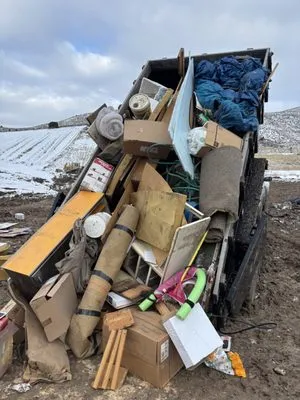
Champion Pro Services is a dedicated irrigation and landscaping company serving Malad City, ID. We focus exclusively on sprinkler systems, offering specialized expertise in irrigation design, construc...
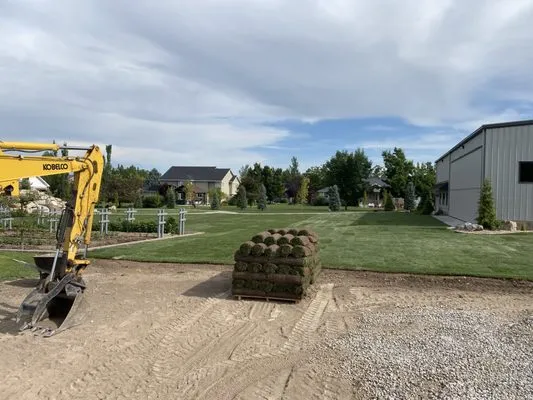
Jensen Turf is a family-owned business based in Weston, ID, specializing in artificial turf and landscaping services. We grow our own Kentucky bluegrass seed in local fields, harvest it into tightly k...
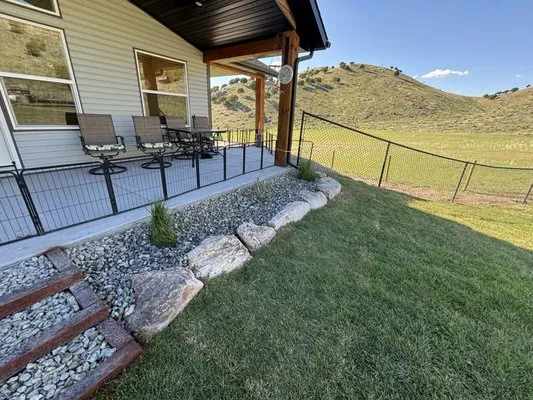
Back Country Fencing And Landscaping
Back Country Fencing and Landscaping is your trusted local partner for improving your Montpelier property. We focus on providing quality work at a competitive price, serving the needs of homeowners th...

High Country Solutions is a family-owned and operated business based in Preston, ID, specializing in land maintenance and rangeland reclamation since 2018. We serve landowners and ranchers across Sout...
Spring Pest and Lawn is a trusted local provider in Preston, ID, offering comprehensive pest control and lawn care services to help homeowners maintain healthy, beautiful outdoor spaces. We specialize...

Vortex Lawn Care is your local, woman-owned lawn service in Preston, Idaho, serving Cache Valley. Founded by Maggie Jackson, a fellow resident for over 20 years, we operate on a simple principle: trea...
Cache Lawn Care is a trusted local landscaping company serving Preston, Idaho, dedicated to keeping your outdoor spaces healthy and beautiful. We specialize in addressing common local lawn challenges,...

Hobbs Turf Farms, owned and operated by Randy Hobbs, is a family-owned sod farm with deep roots in Preston, Idaho's agricultural community. Randy, born on a southern Idaho dairy farm, grew up understa...

Western Extermination Services has been a trusted local provider in Franklin, ID since 2001, founded by Ken to address the specific pest control and lawn care needs of our community. As a family-owned...
Estimated Landscaping Service Costs in Preston, ID
Question Answers
What are some low-maintenance alternatives to my traditional lawn?
Transitioning high-input turf areas to a xeriscape of native plants like Rocky Mountain Penstemon, Blue Flax, and Serviceberry drastically reduces water, mowing, and fertilization needs. This shift also aligns with evolving municipal noise ordinances, as electric maintenance equipment is quieter than gas-powered blowers and mowers. A biodiverse native planting supports local pollinators and builds a more resilient landscape ahead of potential regulatory changes.
How can I keep my Kentucky Bluegrass healthy during Stage 1 water restrictions?
Smart Wi-Fi controllers integrated with soil moisture sensors are essential for compliance. These systems deliver irrigation based on actual evapotranspiration (ET) and root-zone moisture levels, preventing overwatering. This technology allows Kentucky Bluegrass to receive precise hydration during its peak growing season from May to September, maintaining turf health while adhering to Preston's voluntary conservation limits and significantly reducing overall potable water use.
Is crushed basalt a better choice than wood for a new patio?
For longevity and fire safety, inorganic materials like crushed basalt or local river rock are superior. Unlike wood, which requires chemical treatments and decays, stone is permanent and maintenance-free. In Preston's Moderate Wildland-Urban Interface rating, using non-combustible hardscape materials for patios and pathways directly contributes to defensible space, a key factor in protecting your property and meeting Firewise community guidelines.
If I have an urgent HOA compliance issue, how quickly can a crew arrive?
For emergency cleanup or compliance deadlines, our dispatch coordinates from our base near Preston City Park. A crew would travel north via US-91, reaching most Central Preston addresses within the 20 to 30-minute window typical for peak storm response. This routing prioritizes main thoroughfares to ensure reliable arrival times, even during high-traffic periods, allowing for immediate site assessment and rapid mobilization of equipment.
Do I need a permit to regrade my 0.25-acre lot?
Significant grading that alters water flow or involves moving more than a few cubic yards of soil typically requires review by the Franklin County Planning & Zoning Department. For the work itself, hiring a contractor licensed by the Idaho Bureau of Occupational Licenses is critical. This ensures the professional is bonded, follows state-mandated erosion control practices, and carries the proper insurance, protecting you from liability on a project of this scale.
Why is the soil in my Central Preston yard so compacted and hard to work with?
Homes in Central Preston were typically constructed around 1961, giving the soil a 65-year history of foot traffic, construction compaction, and limited organic amendment. The underlying alkaline silt loam, with a pH of 7.9-8.2, naturally tends to form dense layers that impede root growth and water percolation. To restore permeability, we recommend annual core aeration paired with the incorporation of composted organic matter, which will gradually lower the pH and improve soil structure for healthier plant life.
How should I deal with invasive weeds without harming my garden?
For pervasive invaders like bindweed or cheatgrass, a targeted approach using approved herbicides in spot applications during active growth phases is effective. Crucially, any treatment must comply with Idaho's BMPs for nutrient management, which prohibit winter applications to prevent runoff. For organic control, persistent manual removal combined with a thick layer of mulch applied in late April can suppress seedlings and is safe for surrounding desirable plants.
My yard has seasonal ponding. What's the best long-term solution?
Moderate ponding is common here due to the high clay content in the subsoil, which creates a perched water table. A functional solution involves installing a French drain system tied to a dry well, coupled with regrading to direct surface flow. For new hardscaping, using permeable materials like crushed basalt or local river rock in place of solid concrete can meet Franklin County Planning & Zoning Department runoff standards by allowing water to infiltrate on-site.
