Top Landscaping Services in Pocatello, ID, 83201 | Compare & Call

There are 83 landscaping companies server in Pocatello ID
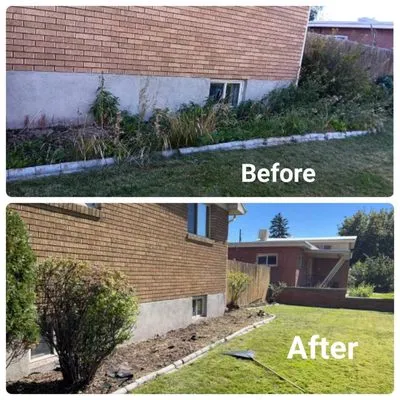
Grasshopper Lawncare and Landscaping is a trusted local lawn service provider in Idaho Falls, ID, specializing in comprehensive lawn care solutions. We understand the unique challenges homeowners face...
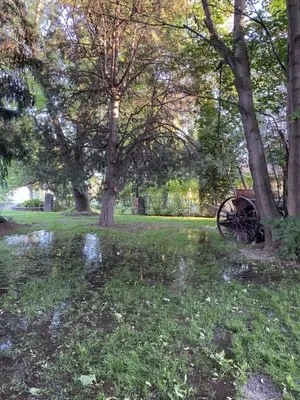
Turfco Lawn and Pest
Turfco Lawn and Pest is a locally owned and operated service in Idaho Falls, ID, founded by Certified Arborist Kaleb Phelps. With a background in lawn and tree care, Kaleb combines his education from ...
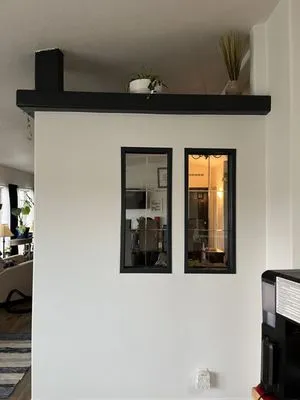
Heriza’s Home Repair and Landscaping
Heriza's Home Repair and Landscaping is a trusted local business serving Idaho Falls homeowners with comprehensive repair and improvement services. We specialize in both interior home maintenance and ...

Turfco is an Idaho Falls-based lawn, tree, and pest control service founded by Certified Arborist Kaleb Phelps. After earning his bachelor's degree from BYU-Idaho and an MPA from Boise State, Kaleb co...
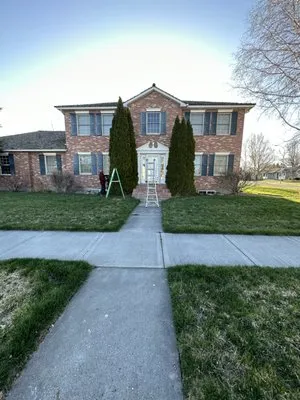
Jose Landscaping has been serving Sugar City and the surrounding areas for over 20 years, building a reputation for quality workmanship and reliable service. We specialize in comprehensive landscaping...

For over 50 years, Top Notch Tree Service has been the trusted local provider for Pocatello’s tree and lawn care needs. As a family-owned business founded in 1973, our ISA Certified Arborists bring de...
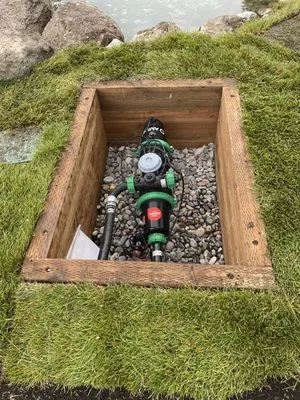
Green Summers Irrigation and Landscape is a full-service Idaho Falls company dedicated to transforming and maintaining outdoor spaces. We handle everything from irrigation and landscaping to snow remo...
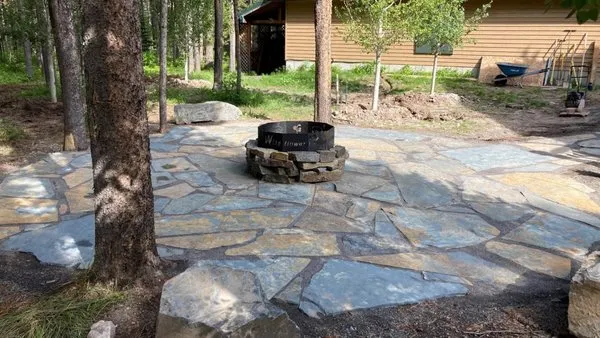
Swiss Precision Enterprises is a family-owned landscaping and home services business in Ashton, ID, founded in 1982 by Kurt and Maria Eidam. With roots in Swiss craftsmanship and European education, K...
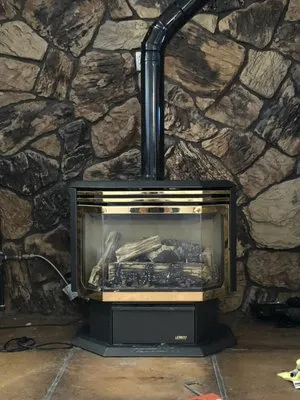
Rocky Mountain Service is a trusted, family-owned home services provider in Pocatello, ID, with over a decade of experience. Founded by a father and now run with his son as a partner, this licensed, b...
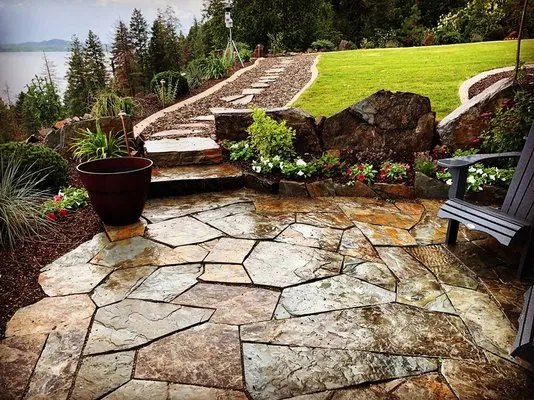
RealScapes is a trusted landscaping company serving Idaho Falls, ID, specializing in comprehensive outdoor solutions. With expertise in landscaping, irrigation, and snow removal, we handle everything ...
Estimated Landscaping Service Costs in Pocatello, ID
Question Answers
What should I do about the invasive weeds spreading into my lawn?
Invasive species like cheatgrass or leafy spurge exploit stressed, compacted soils. Treatment requires an integrated approach: improving turf density to outcompete weeds and using targeted, professional-grade herbicides applied during optimal growth stages. All applications follow Idaho state fertilizer and pesticide ordinances to prevent runoff into storm drains, and we adhere strictly to any seasonal blackout dates for specific chemicals.
My yard pools water after a rain. What's a long-term solution?
Moderate runoff is common here due to clay-heavy subsoil beneath the silt loam, which impedes percolation. A French drain system can intercept and redirect this water. For new hardscape, using locally sourced basalt flagstone set with permeable gravel joints increases surface infiltration. This approach often meets Pocatello Planning and Development Services' stormwater management standards by reducing direct runoff from the property.
Do I need a permit to regrade my backyard for better drainage?
Yes, significant regrading on a 0.22-acre lot typically requires a permit from Pocatello Planning and Development Services to ensure work complies with drainage and erosion control codes. Furthermore, this work must be performed by a contractor licensed by the Idaho Division of Occupational and Professional Licenses for landscaping or excavation. This ensures proper engineering to avoid diverting water onto neighboring properties, which carries liability.
Is basalt flagstone a good choice for a patio compared to wood?
Basalt flagstone offers superior longevity and minimal maintenance compared to wood, which requires sealing and eventual replacement. The stone's thermal mass moderates temperature swings. For fire safety, using non-combustible basalt for patios or pathways directly supports WUI Zone 2 defensible space requirements by creating a fuel break, an important consideration for Pocatello's Moderate Fire Wise rating.
How do I keep my Kentucky Bluegrass healthy during Pocatello's voluntary water conservation?
Under Stage 1 voluntary conservation, the key is precision. Wi-Fi ET-based weather-sensing irrigation systems adjust runtime daily based on actual evapotranspiration data, preventing overwatering. This technology applies water only when and where the turfgrass root zone needs it, which can reduce usage by 20-30% while maintaining canopy health. Deep, infrequent watering cycles encourage deeper roots, making the lawn more drought-resilient.
Is there a lower-maintenance alternative to my high-water turfgrass?
Transitioning to a xeriscape with native plants like Rocky Mountain Penstemon, Bluebunch Wheatgrass, and Serviceberry significantly reduces water, mowing, and chemical inputs. These plants are adapted to alkaline soils and local precipitation. This shift also future-proofs your landscape against potential tightening of noise ordinances, as electric maintenance equipment is sufficient for native plant beds, eliminating gas-powered blowers and mowers.
How quickly can you respond to an emergency like a storm-damaged tree blocking a driveway?
For urgent HOA compliance or safety issues like storm cleanup, our dispatch from the Ross Park area uses I-15 for efficient routing to the Highland neighborhood. Accounting for traffic variables, our standard peak response window is 25-35 minutes. We prioritize such calls to secure the property and begin debris management, coordinating with local utilities if necessary.
Why does my Highland neighborhood soil seem so compacted and poor?
Homes built around 1971, like many in Highland, have soils that have matured for over 50 years. The native alkaline silt loam, with a pH of 7.8-8.2, has been compacted by decades of foot traffic and conventional maintenance, reducing permeability. This compaction restricts root growth and water infiltration. A core aeration program, paired with top-dressing with compost, is critical to reintroduce organic matter and improve soil structure.
