Top Landscaping Services in New Plymouth, ID, 83655 | Compare & Call

There are 38 landscaping companies server in New Plymouth ID
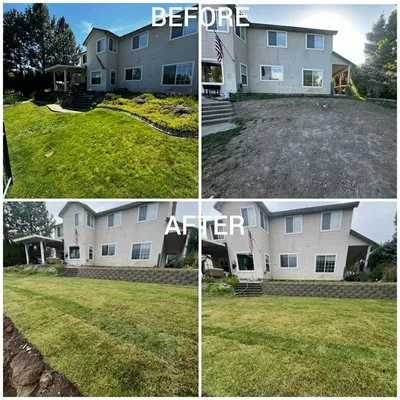
Black Star Landscaping is a full-service landscape contractor serving Nampa, ID, and the surrounding Treasure Valley. We specialize in creating and maintaining beautiful, functional outdoor spaces, fr...
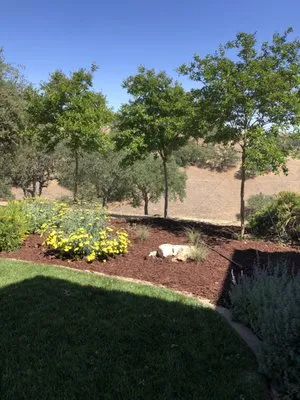
Vaughan Landscapes is a Nampa-based landscaping company dedicated to creating beautiful, functional, and sustainable outdoor spaces for Treasure Valley residents. We specialize in transforming yards w...
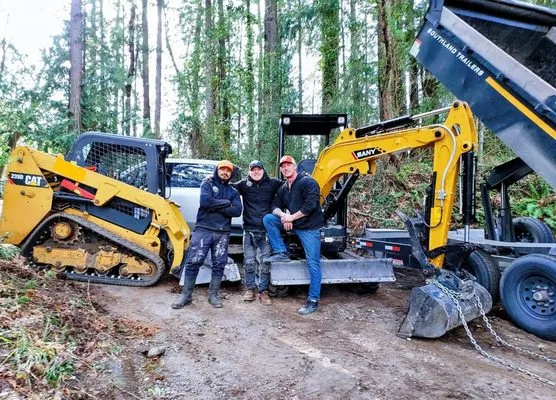
Smallwork Pro is a locally owned and operated excavation, demolition, and landscaping company serving Boise and the Treasure Valley. Founded in 2020 by Austin Collins and Nicholas Smelser, we bring mi...
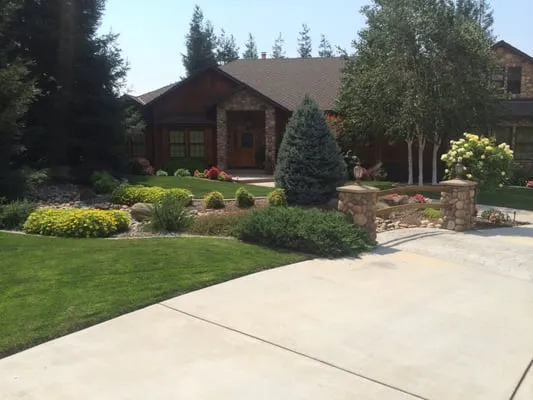
Cover's Landscaping is a family-owned landscaping contractor serving New Plymouth, Idaho, and surrounding areas since 2011. Founded by a husband-and-wife team with deep roots in horticulture—growing u...
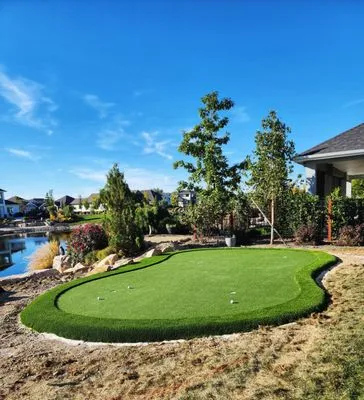
Puzzleworks in Parma, ID, is a locally owned landscaping and artificial turf specialist serving the Treasure Valley. Founded in 2022 by an industry professional with hands-on experience since 2014, th...
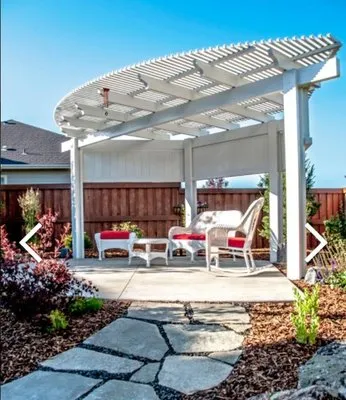
Sterling Landscape Company
Sterling Landscape Company is a trusted name in Nampa's outdoor spaces, rooted in local ownership and deep community history. Founded in 1972 by John and Lynne Sterling, the company's legacy is now ca...
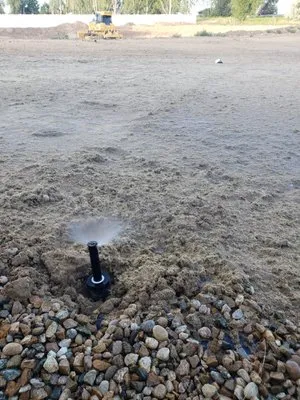
Impact Excavating is a family-owned excavation and landscaping business serving Middleton, ID and the Treasure Valley for over a decade. With roots in the Pacific Northwest and over 20 years of experi...
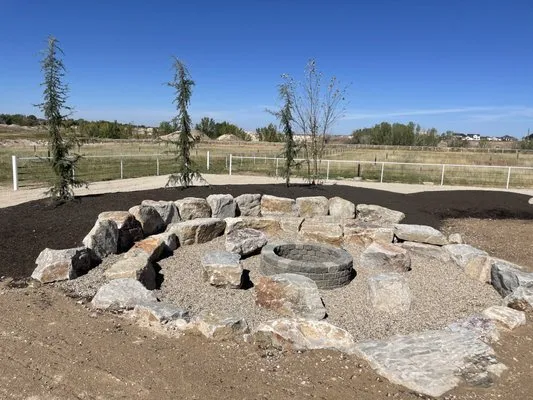
Turf's Up Landscape Services
Turf's Up Landscape Services has been transforming outdoor spaces in Nampa and the Treasure Valley since 2002. As a full-service provider, we handle everything from initial landscape design to complet...
2 Vision Services is a family-owned landscaping and masonry business serving Boise City and the Treasure Valley. With over 40 years of combined experience, this father-and-son team provides comprehens...

GroundUp is a Boise City landscaping company dedicated to building and maintaining healthy, resilient outdoor spaces. We understand the specific challenges of the Treasure Valley, from common lawn fun...
Estimated Landscaping Service Costs in New Plymouth, ID
Frequently Asked Questions
Can I maintain Kentucky Bluegrass during Stage 1 water restrictions?
Wi-Fi ET-based weather sensing irrigation preserves turf health while reducing consumption 30-40% below conventional schedules. These systems adjust runtime daily based on evapotranspiration data, applying water only when soil moisture deficits occur. For New Plymouth's voluntary conservation stage, programming deep infrequent cycles (2-3 times weekly) encourages deeper root growth in Tall Fescue blends. Monthly water audits verify compliance with municipal limits while preventing drought stress.
What permits and licenses are needed for grading my 0.25-acre lot?
Payette County Planning & Zoning requires erosion control permits for any grading disturbing over 100 square feet. Idaho Bureau of Occupational Licenses mandates landscape contractors hold current licenses for earthmoving exceeding 10 cubic yards. On 0.25-acre lots, professional engineering stamps may be required if cut/fill exceeds 2 feet vertical change. Licensed professionals carry insurance covering subsurface utility strikes and drainage impacts to adjacent properties.
How quickly can you respond to storm damage for HOA compliance?
Emergency cleanup crews dispatch from Plymouth City Park via US-30, maintaining 15-20 minute response times during peak conditions. This routing avoids residential congestion while providing access to Downtown New Plymouth properties. Electric maintenance fleets operate within standard noise ordinance hours (7:00 AM-9:00 PM) for immediate debris removal. Documentation for HOA compliance includes before/after photos and disposal receipts from licensed facilities.
Should I replace high-maintenance turf with native plants?
Transitioning to Western Serviceberry, Blanketflower, and Bluebunch Wheatgrass reduces mowing frequency from weekly to seasonal while supporting 2026 biodiversity standards. Native Rocky Mountain Penstemon requires no fertilization and attracts pollinators without irrigation after establishment. Electric equipment meets evolving noise ordinance restrictions on gas-powered blowers. This approach aligns with WUI Zone 2 compliance by creating fire-resistant landscaping with higher moisture content plants.
How do I control invasive species without violating fertilizer rules?
Early detection of Cheatgrass and Field Bindweed requires manual removal before seed set in April-May. Spot treatments with EPA-registered herbicides avoid non-point source pollution violations when applied during dry conditions. Idaho's fertilizer ordinance allows organic amendments like corn gluten meal for pre-emergent control without blackout date restrictions. Maintaining dense native plantings prevents invasive establishment through competition for resources.
What solves standing water in my alkaline silt loam yard?
High alkalinity silt loam develops surface crusting that reduces permeability to 0.1-0.3 inches/hour. Installing French drains with washed gravel and perforated pipe redirects water from foundations. Basalt pavers set on open-graded aggregate bases create permeable surfaces meeting Payette County Planning & Zoning runoff standards. Gypsum applications (20-40 lbs/1000 sq ft) improve soil structure without altering pH significantly.
Are basalt pavers better than wood for New Plymouth patios?
Basalt pavers offer 50+ year durability versus wood's 10-15 year lifespan in USDA Zone 6b freeze-thaw cycles. Their non-combustible nature supports Moderate Fire Wise ratings by creating defensible space around structures. Properly installed with 1/8-inch joints and polymeric sand, basalt requires no sealing and develops natural patina. Thermal mass properties moderate temperature extremes while permeability rates exceed 5 inches/hour for stormwater management.
Why does my New Plymouth lawn struggle despite regular care?
Downtown New Plymouth lots built around 1976 have 50-year-old soil profiles with silt loam that has compacted over decades. This soil type naturally develops high alkalinity (pH 7.4-8.2) and low permeability, restricting root growth and water movement. Core aeration every 2-3 years with organic amendments like composted manure addresses compaction while lowering pH toward neutral. Soil testing through Payette County Extension confirms specific amendment needs for your 0.25-acre property.
