Top Landscaping Services in Lincoln, ID, 83401 | Compare & Call
There are 77 landscaping companies server in Lincoln ID
R and B Lawn Care is a trusted, full-service landscaping company serving Idaho Falls and the surrounding area. We specialize in comprehensive lawn care, reliable snow removal, and professional tree se...

Garcia's Lawncare is a trusted local lawn service provider serving Ammon, ID, dedicated to maintaining healthy, vibrant lawns for homeowners. We specialize in comprehensive lawn care solutions that di...
B Fair Lawn Service is a trusted, locally-owned provider in Shelley, Idaho, specializing in comprehensive lawn care, snow removal, and tree services. With over 11 years of experience serving Southeast...
Arbor Grind Solutions is a trusted landscaping company serving Idaho Falls, ID, specializing in comprehensive tree care and landscape maintenance. We understand that local homeowners often face challe...

Teton Handyman Service
Teton Handyman Service is your trusted local expert in Chester, ID, offering comprehensive handyman, landscaping, and home theater solutions. We specialize in door installation, drywall installation/r...
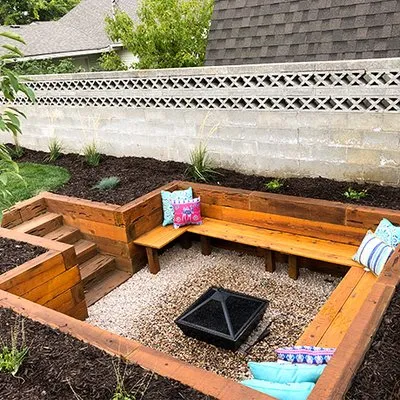
Let Us Clip Ya Landscaping is a trusted local landscaping company based in Rexburg, ID, with a strong commitment to building lasting relationships with our community. We proudly serve over 600 regular...
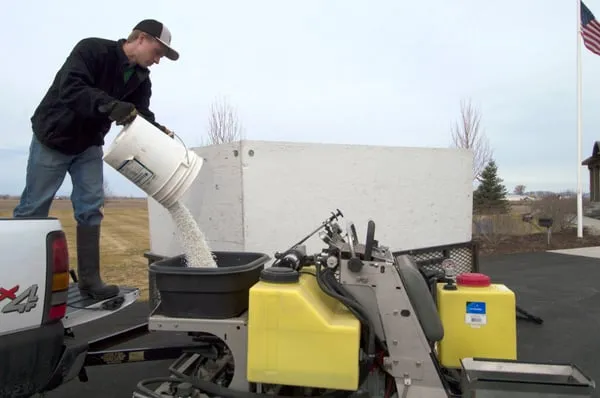
Lawn Buddies has been a trusted provider of pest control, lawn, and tree services in Rexburg and Eastern Idaho since 2001. Founded by Jarred, the company is built on hard work, honesty, and a commitme...
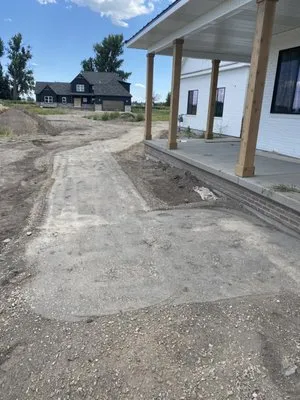
Double B Excavation is a trusted Menan-based excavation company with over a decade of combined experience serving both residential and commercial clients throughout the region. We specialize in compre...

Nunez Cutz is a local, family-operated business in Shelley, ID, specializing in junk removal, hauling, lawn care, and tree services. We provide reliable solutions for appliance and furniture disposal,...

Pristine Properties Cleaning Services
Pristine Properties Cleaning Services is a locally-owned business in Idaho Falls, founded by Michelle during the COVID-19 pandemic when she turned her lifelong skills into a reliable service for the c...
Estimated Landscaping Service Costs in Lincoln, ID
Question Answers
How can we maintain Kentucky Bluegrass and Fine Fescue turf during Stage 1 water restrictions?
Wi-Fi ET-based weather sensing irrigation systems calculate evapotranspiration rates using local weather data, applying water only when plants need it. This technology can reduce water use by 20-30% compared to traditional timers while preserving turf health. Programming deep, infrequent watering cycles encourages deeper root growth and drought tolerance. The system automatically adjusts for rainfall and humidity, ensuring compliance with voluntary conservation measures while maintaining turf quality.
What permits and licensing are required for grading work on our 0.22-acre lot?
Grading that alters drainage patterns or involves significant earth movement requires a permit from the Lincoln Department of Planning & Building. Contractors must hold appropriate licensing through the Idaho Bureau of Occupational Licenses, particularly for work affecting stormwater management. On 0.22-acre lots, even modest grading can impact neighboring properties, necessitating professional oversight. Proper documentation ensures compliance with local codes and protects against liability issues.
Our yard has moderate runoff issues with seasonal frost heave. What drainage solutions work with silt loam soil?
Silt loam's moderate permeability requires graded swales or French drains to redirect surface water away from foundations. Installing permeable basalt pavers instead of solid concrete meets Lincoln Department of Planning & Building runoff standards by allowing water infiltration. For frost heave mitigation, proper base preparation with gravel layers beneath hardscapes prevents soil expansion damage. These approaches address both immediate runoff and long-term structural integrity in Lincoln's climate.
We need emergency storm debris cleanup to meet HOA compliance deadlines. How quickly can a crew arrive?
Emergency response from Lincoln City Hall via US-20 typically requires 20-30 minutes during peak conditions. Crews dispatch with electric-powered equipment to comply with standard decibel limits prohibiting gas blowers before 8 AM. The route prioritizes arterial roads to minimize transit time while carrying necessary chippers and loaders. This timeframe accounts for traffic variables while ensuring regulatory compliance for time-sensitive cleanup operations.
What are low-maintenance alternatives to traditional turf that reduce noise and water use?
Replacing high-maintenance turf with native plantings like Western Serviceberry, Blanketflower, Prairie Junegrass, and Rocky Mountain Bee Plant creates resilient landscapes. These species require minimal watering once established and eliminate weekly mowing needs. The transition reduces reliance on gas-powered equipment ahead of tightening noise ordinances. Native plant communities support local pollinators while providing year-round visual interest with less maintenance input.
Our Downtown Lincoln home was built around 2003. Why does the soil seem compacted and poor for planting?
Lincoln lots from the early 2000s have approximately 23 years of soil development. Silt loam soils in this neighborhood naturally compact under foot traffic and equipment weight, reducing pore space for root growth and water infiltration. The pH of 7.2 indicates neutral to slightly alkaline conditions, which can limit nutrient availability for acid-loving plants. Core aeration every 2-3 years combined with organic amendments like composted bark improves soil structure and biological activity.
What invasive species should we watch for, and how do we treat them safely?
Lincoln properties face risks from spotted knapweed, cheatgrass, and field bindweed that outcompete native vegetation. Manual removal before seed set is most effective for small infestations. For chemical control, select herbicides without phosphorus unless soil testing confirms deficiency, as required by local ordinance. Treatment timing avoids blackout periods when pollinators are active. Always follow label directions and consider spot applications rather than broadcast treatments to preserve soil biology.
Should we use basalt pavers or wood for our patio in a moderate fire risk area?
Basalt pavers offer superior longevity and fire resistance compared to wood decking. Their natural thermal mass helps moderate temperature extremes while providing non-combustible defensible space for WUI Zone 2 compliance. Basalt requires minimal maintenance and won't rot, warp, or attract wood-boring insects. The material's durability makes it cost-effective over decades, especially when considering replacement cycles for wood structures in Lincoln's climate.
