Top Landscaping Services in Garden City, ID, 83703 | Compare & Call


Terravita Landscape & Gardening has been a trusted local resource for Garden City and the greater Boise area for over 28 years. We provide comprehensive landscaping solutions for residential propertie...
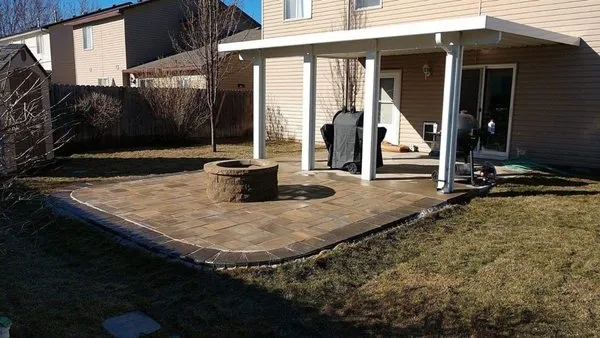
208 Specialties is a locally owned and operated landscaping company serving Garden City, ID, with comprehensive outdoor solutions. We specialize in irrigation construction and repair, landscape design...
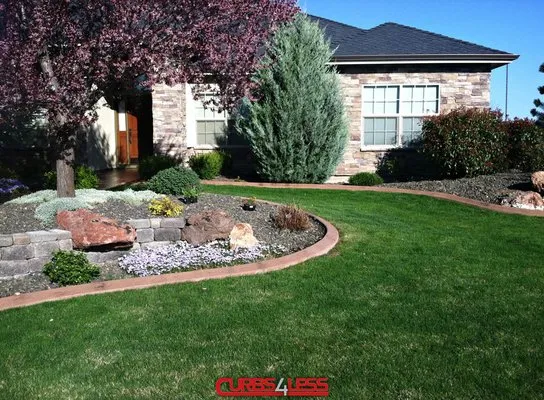
Founded in 1999, Curbs 4 Less is a locally owned and operated cornerstone of the Treasure Valley's landscaping and masonry community. With a Bachelor's in Business Management guiding our operations, w...
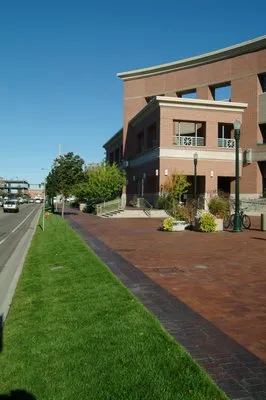
Pro Care Landscape Services has been a trusted provider in Garden City and the Treasure Valley since 1987. We specialize in comprehensive tree services and landscaping for both commercial properties a...
Green Keeper Landscape is a trusted Garden City, ID, landscaping and irrigation company dedicated to solving common local yard problems like weed infestations and dead lawn areas. We provide comprehen...
Les Bois Landscape is a family-owned landscaping company that has been serving Garden City and the Treasure Valley since 1989. We specialize in comprehensive lawn care and landscape maintenance, inclu...

Brilliant Landscape and Lawn Care is a trusted local provider in Garden City, ID, specializing in comprehensive lawn services, fences & gates, and irrigation solutions. Many Garden City homes face com...
Boise's Custom Creations & Landscaping is a trusted, local Garden City contractor dedicated to solving the common landscaping challenges that Treasure Valley homeowners face. We specialize in addressi...
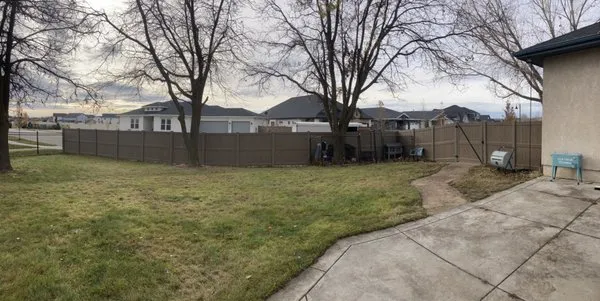
Light Knight is a locally-owned lawn care service in Garden City, ID, founded by Ron and Jeremy. With years of combined experience in handyman work, landscape maintenance, and low-voltage lighting, th...
Forever Green is a trusted local provider of organic lawn and tree care in Garden City, ID, with over two decades of service to the Treasure Valley. We specialize in creating and maintaining healthy, ...
Q&A
My lawn never looks healthy despite regular care. Is there something wrong with the soil in the Riverside District?
Soils in Garden City's Riverside District, developed on average in 1993, are now 33-year-old alkaline silt loams with a pH of 7.5-8.2. This age indicates soil compaction and depleted organic matter, which restricts root growth and water infiltration. The high pH also locks up essential nutrients like iron and phosphorus, leading to chlorosis in non-native turf. Core aeration combined with incorporating acidifying organic compost is a necessary annual practice to counteract these inherent conditions and rebuild soil biology.
My yard has standing water and white crusty deposits after irrigation. What's causing this and how is it fixed?
This indicates two common issues in our area: poor soil percolation in silt loam and high salt accumulation from irrigation water in low-lying zones. The solution involves improving subsurface drainage and managing surface runoff. Replacing solid concrete with permeable concrete pavers or crushed basalt allows water to infiltrate directly, reducing ponding. For the salts, deep, infrequent watering followed by soil amendment with gypsum can help leach salts below the root zone, mitigating crust formation and meeting Garden City Planning & Zoning runoff standards.
My HOA issued a violation notice for overgrowth. How quickly can a crew arrive for an emergency cleanup?
An emergency HOA compliance crew can typically be dispatched within the operational window. From a central staging area near Expo Idaho, the route via I-184 to the Riverside District allows for a 20-30 minute arrival, even during peak traffic. This timeframe accounts for loading specialized electric equipment, which complies with the 7:00 AM to 9:00 PM noise ordinance, ensuring immediate and quiet remediation to meet your deadline.
I'm tired of weekly mowing and gas equipment noise. What's a quieter, lower-maintenance alternative to my lawn?
Transitioning to a xeriscape anchored by native plants like Western Serviceberry, Blanketflower, and Rocky Mountain Penstemon eliminates weekly mowing. These species are adapted to Zone 7a's climate and alkaline soils, requiring minimal supplemental water once established. This shift preempts tightening noise ordinances by removing gas-powered mowers and blowers from your routine. The resulting landscape supports local biodiversity, reduces your water footprint, and provides seasonal interest with far less labor and disturbance.
I've spotted what looks like puncturevine and cheatgrass. How do I remove these weeds safely near the Boise River?
Puncturevine and cheatgrass are high-priority invasive species that outcompete natives and increase fire risk. Manual removal before seed set is critical. For chemical control, use a targeted, phosphorus-free herbicide to comply with the local ordinance protecting riparian zones. Apply treatments during calm, dry periods in late spring or early fall to minimize drift into the Boise River watershed. Always follow label instructions and consider pre-emergent strategies in autumn to suppress cheatgrass germination, breaking its lifecycle.
Is crushed basalt a better choice than wood mulch for a new patio area, considering durability and fire safety?
Crushed basalt and permeable concrete pavers are superior to wood for longevity and fire mitigation. Inorganic materials do not decompose, warp, or attract pests, providing a permanent, stable surface. For Garden City's Moderate (WUI Zone 2) Fire Wise rating, these materials create critical defensible space by eliminating combustible organic mulch near structures. Their permeability also manages stormwater runoff effectively. While the initial cost is higher, the lifecycle cost is lower due to zero replacement needs and enhanced property resilience.
With Stage 1 water restrictions, how do I keep my Kentucky Bluegrass blend green without wasting water?
Smart Wi-Fi ET-based weather sensing controllers are the precise tool for this. They automatically adjust irrigation schedules by calculating real-time evapotranspiration (ET) rates, adding water only to replace what the turfgrass and atmosphere have removed. This system can maintain your cool-season blend within municipal conservation goals by eliminating runoff and overwatering. Properly programmed, it applies water in the early morning to minimize loss, ensuring every gallon is used efficiently by the plant root zone.
I want to regrade my backyard for better drainage. Do I need a permit, and what should I verify about my contractor?
Regrading a 0.15-acre lot in Garden City typically requires a permit from the Planning & Zoning Department if you alter water flow patterns or modify contours significantly. This ensures compliance with city drainage and erosion control standards. You must hire a contractor licensed by the Idaho Bureau of Occupational Licenses for landscape construction. Verify their license is current and includes adequate liability insurance. Unlicensed grading work can lead to code violations, improper drainage that affects neighbors, and costly corrective orders from the city.
