Top Landscaping Services in Driggs, ID, 83422 | Compare & Call
There are 38 landscaping companies server in Driggs ID

Shape Up in Rexburg, ID, is a locally owned and operated outdoor solutions provider founded in August 2023 by Alexander Grover, who started the business as a 17-year-old high school student with a foc...
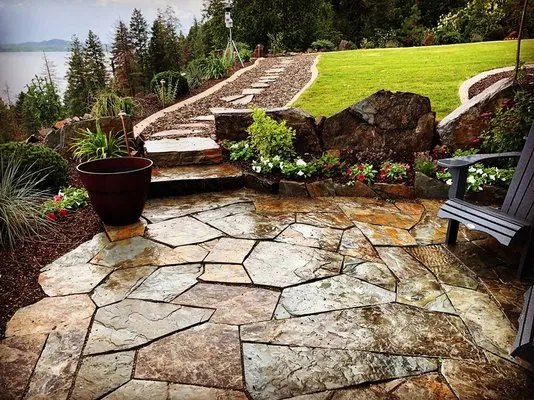
RealScapes is a trusted landscaping company serving Idaho Falls, ID, specializing in comprehensive outdoor solutions. With expertise in landscaping, irrigation, and snow removal, we handle everything ...
Teton Handyman Service
Teton Handyman Service is your trusted local expert in Chester, ID, offering comprehensive handyman, landscaping, and home theater solutions. We specialize in door installation, drywall installation/r...
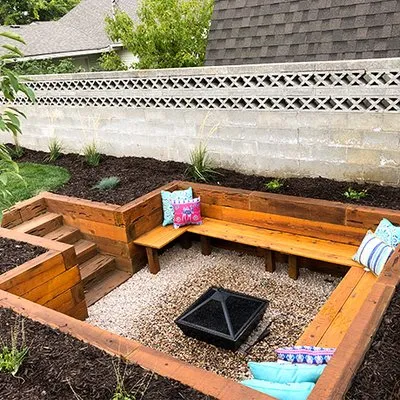
Let Us Clip Ya Landscaping is a trusted local landscaping company based in Rexburg, ID, with a strong commitment to building lasting relationships with our community. We proudly serve over 600 regular...
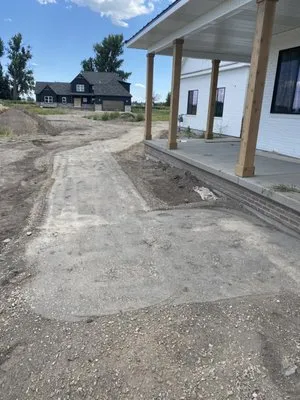
Double B Excavation is a trusted Menan-based excavation company with over a decade of combined experience serving both residential and commercial clients throughout the region. We specialize in compre...
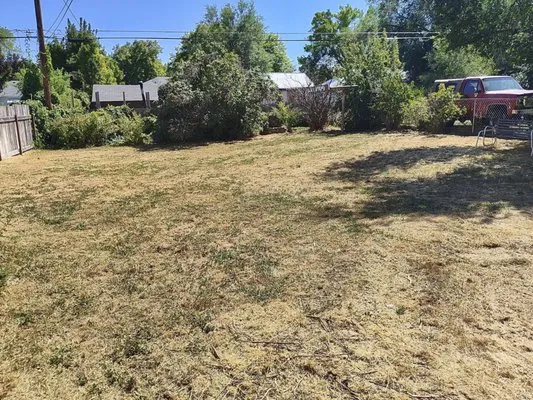
Universal Lawn Care is a trusted local lawn and snow service provider serving Pocatello homeowners. We understand the unique challenges of maintaining a property in our climate, from summer irrigation...
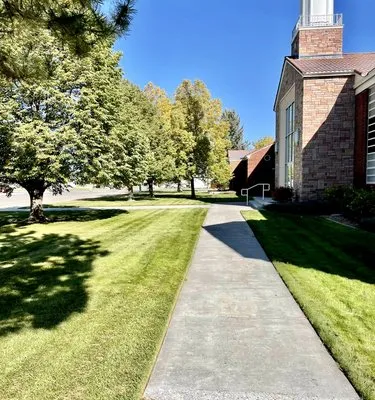
All Out Lawn Services is an employee-owned lawn care provider based in Ammon, Idaho. For over five years, our team has been dedicated to delivering professional, reliable, and affordable lawn services...
ReMARKable Paver N Stone is a dedicated landscaping company based in Idaho Falls, specializing in creating lasting outdoor environments for eastern Idaho. We focus on hardscaping, design, and outdoor ...
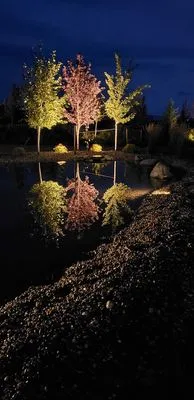
Artesian Sprinklers and Landscaping
Artesian Sprinklers and Landscaping has been serving Rexburg and Eastern Idaho for nearly 50 years as a comprehensive landscaping partner. We provide custom solutions from initial design to ongoing ma...
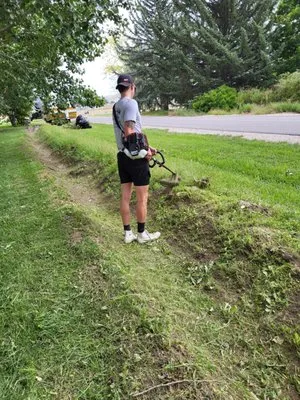
Green Leaf Lawn-Care is a veteran-owned lawn service based in Rigby, ID, dedicated to helping local homeowners achieve and maintain a healthy, beautiful yard. We understand the unique challenges of th...
Estimated Landscaping Service Costs in Driggs, ID
Frequently Asked Questions
Is using local basalt stone for a patio better than a wooden deck for our fire-prone area?
Yes, local Teton Valley basalt pavers are superior for longevity and fire resilience. Unlike wood, which requires chemical treatments and degrades, basalt is permanent and non-combustible. Using this material for patios and pathways helps create the defensible space required in our Moderate (WUI Zone 2) fire risk rating, while providing a durable, low-maintenance surface that integrates with the native landscape.
Spring snowmelt creates persistent pooling and frost heave in our yard. What's the best long-term fix?
High runoff from snowmelt exposes the poor permeability of compacted silt loam. A tiered solution involves regrading to create positive slope away from foundations and installing French drains in problem areas. Using permeable local basalt pavers or river rock for patios and walkways increases ground absorption. These measures help manage runoff to meet Teton County's drainage standards.
We have an HOA compliance deadline for debris cleanup after a windstorm. What's the fastest reliable service response?
An emergency cleanup crew can typically dispatch from Driggs City Park and proceed via Idaho State Highway 33 to reach most Downtown locations within 20-30 minutes, barring peak traffic or severe weather. Using electric-powered blowers and sweepers ensures immediate start upon arrival, complying with local noise ordinances. This approach prioritizes rapid debris consolidation and removal to meet visual standards.
What permits and contractor qualifications are needed to regrade and reshape our 0.35-acre lot?
Significant earthwork on a 0.35-acre parcel typically requires a grading permit from the Teton County Planning and Building Department. The contractor must hold appropriate licensing through the Idaho Division of Occupational and Professional Licenses. This ensures they understand engineered fill, compaction standards, and runoff management—critical for preventing future drainage or structural issues on your property and neighboring lots.
Our neighborhood lawns seem thin and compacted compared to older parts of town. What's the underlying soil issue?
Properties built around 2001 in Downtown Driggs have approximately 25-year-old soil profiles. This slightly alkaline silt loam (pH 7.4-7.6) naturally compacts over time, restricting root growth and water percolation. Core aeration every two years is critical to disrupt that compaction. Incorporating composted organic matter, not just topsoil, will gradually improve soil structure and microbial activity for healthier turf.
We want to reduce mowing, noise, and water use. What's a climate-adapted alternative to traditional grass?
Transitioning areas to a xeriscape of native plants like Rocky Mountain Penstemon, Blanketflower, and Bluebunch Wheatgrass is highly effective. This landscape eliminates weekly mowing and gas-blower use, aligning with evolving noise ordinances. Once established, these plants require minimal irrigation beyond natural rainfall, build soil health, and provide superior habitat, exceeding 2026 biodiversity benchmarks.
How do we maintain a green lawn during Stage 1 water restrictions without wasting water?
Smart Wi-Fi ET-based controllers, paired with in-ground soil moisture sensors, are the solution. These systems automatically adjust run times based on real-time evapotranspiration data and actual soil conditions, preventing overwatering. For a Kentucky Bluegrass and Fine Fescue mix, this technology can reduce seasonal water use by 20-30% while preserving turf health, aligning perfectly with voluntary conservation goals.
We've spotted invasive weeds like Cheatgrass and Leafy Spurge. How should we treat them safely here?
Manual removal or targeted spot-treatment with approved herbicides in early growth stages is most effective. Timing is critical to prevent seeding. Any treatment plan must follow Best Management Practices for nutrient and chemical runoff to protect the nearby Teton River watershed. Avoid broad-scale applications, especially during seasonal blackout dates designed to protect water quality.
