Top Landscaping Services in Tipton, IA, 52772 | Compare & Call


Grasshopper Lawn Care & Tree Service/All Star Turf
Since 2001, Grasshopper Lawn Care & Tree Service/All Star Turf has been a trusted provider of comprehensive lawn, tree, and gutter services for residents and businesses in Tipton and the surrounding I...

Raptor Turf Landscaping is a locally-owned and operated landscaping service based in Tipton, IA, serving the surrounding communities since 2020. We specialize in comprehensive outdoor solutions, inclu...
Boyd is a trusted, multi-service contractor serving Tipton, IA, and the surrounding area. With years of hands-on experience, the team brings a comprehensive, detail-oriented approach to a wide array o...
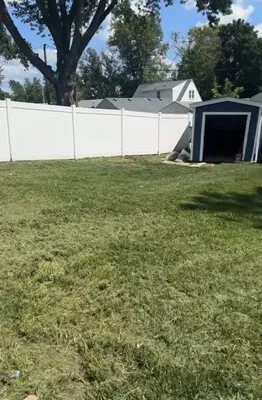
Mow & Grow Lawn Care is a family-owned and operated business serving Tipton and the surrounding communities. We genuinely enjoy being outdoors and the opportunity it gives us to meet and work alongsid...
Challis Roll Off Dumpster Rental and Lawn Care
Challis Roll Off Dumpster Rental and Lawn Care is a Tipton, Iowa-based service provider dedicated to helping residents and businesses in Scott, Jones, Muscatine, and Cedar Counties manage their proper...
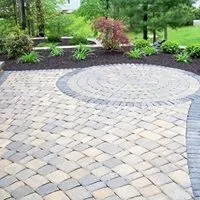
Top Notch Lawn and Landscaping is a trusted, locally-owned service provider in Tipton, IA, specializing in landscaping and snow removal. We understand the unique challenges Tipton homeowners face, inc...
For over 70 years, Theisen's has been a trusted name for Tipton homeowners tackling common local landscaping challenges. Whether you're dealing with bare lawn patches or lawn fungus disease, our store...
Frequently Asked Questions
I need emergency storm cleanup before an HOA inspection tomorrow. How quickly can you respond?
Emergency cleanup dispatch originates near the Cedar County Courthouse, traveling via Iowa Highway 38 to reach Tipton Historic District properties. Our electric maintenance fleet operates within municipal quiet hours (10:00 PM - 7:00 AM) while providing rapid response. Peak storm response typically requires 20-30 minutes from initial contact to on-site arrival. This timeline accounts for debris assessment and equipment mobilization while maintaining compliance with local noise ordinances.
My yard has seasonal ponding in low areas after heavy rains. What drainage solutions work with Tipton's soil?
Moderate seasonal ponding in Tipton's Mollisols/Loam soil indicates reduced permeability in compacted areas. Installing permeable concrete pavers or crushed limestone hardscape creates infiltration zones that meet Tipton City Building & Zoning Department runoff standards. French drains with proper grading redirect surface water while maintaining soil structure integrity. These solutions address ponding without creating erosion issues common in loam soils with poor drainage management.
What permits and licenses do I need for grading work on my 0.22-acre lot?
Grading work on Tipton's 0.22-acre lots requires Tipton City Building & Zoning Department permits for erosion control and drainage management. The Iowa Department of Public Health oversees plumbing and mechanical aspects when grading affects underground utilities. Professional licensing through the Iowa Secretary of State ensures contractors meet competency standards for soil disturbance projects. These requirements protect against improper grading that could exacerbate seasonal ponding or violate municipal runoff regulations.
My Tipton Historic District lawn has compacted soil that won't absorb water properly. What's happening with my soil?
Tipton's Mollisols/Loam soil in the Historic District has been developing since 1948, giving it 78 years of maturity. This extended timeframe allows for natural soil structure formation, but residential lots often experience compaction from decades of foot traffic and traditional maintenance. Core aeration is recommended to address permeability issues, introducing organic amendments like compost to improve water infiltration. Soil testing confirms pH levels between 6.5-7.0, which supports healthy turf but requires periodic amendment to maintain optimal growing conditions.
Should I use concrete pavers or wood for my new patio in Tipton?
Concrete pavers and crushed limestone offer superior longevity in Tipton's climate compared to wood, which requires frequent maintenance and replacement. These materials support Low Fire Wise ratings by creating defensible space without combustible elements. Proper installation includes permeability considerations for Tipton's seasonal ponding conditions. Hardscape choices should balance durability with drainage requirements, particularly in areas with moderate precipitation and freeze-thaw cycles common in Zone 5b.
I've spotted invasive species in my garden. How do I treat them without harming the environment?
Invasive species identification precedes treatment planning to avoid damaging native Purple Coneflower and Butterfly Milkweed populations. Mechanical removal during specific growth stages proves most effective while complying with state nutrient runoff prevention guidelines. Targeted herbicide applications follow Iowa Department of Public Health protocols, avoiding fertilizer ordinance blackout dates that protect water quality. This integrated approach manages invasives without disrupting soil microbiology or violating environmental regulations.
I want to reduce lawn maintenance and noise from gas equipment. What native options work here?
Replacing high-maintenance turf with Purple Coneflower, Little Bluestem, Butterfly Milkweed, and Wild Bergamot creates a resilient landscape requiring minimal inputs. These natives thrive in Tipton's Zone 5b climate without supplemental irrigation once established. Transitioning to electric maintenance equipment aligns with municipal quiet hours while supporting biodiversity goals. This approach reduces mowing frequency from weekly to seasonal maintenance, cutting fuel consumption and noise pollution significantly.
How can I maintain my Kentucky Bluegrass and Tall Fescue blend without wasting water?
Smart Wi-Fi ET-based controllers calculate evapotranspiration rates specific to Tipton's USDA Zone 5b climate, adjusting irrigation schedules daily. These systems preserve turf health while staying within municipal water conservation guidelines, even without formal restrictions. Programming accounts for seasonal variations, reducing water application during cooler periods while maintaining soil moisture at optimal levels. This technology typically reduces water usage by 20-30% compared to traditional timer-based systems.
