Top Landscaping Services in Tama, IA, 52339 | Compare & Call
There are 90 landscaping companies server in Tama IA
Next Level Landscaping
Next Level Landscaping is a family-owned and operated business serving Castalia and Northeast Iowa, bringing a start-to-finish approach to every outdoor project. Established in 2019, we combine though...
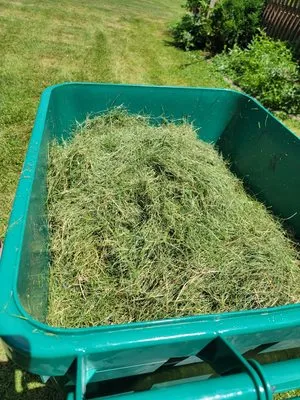
Overgrown Lawn Care & Clean-Up is a professional landscaping and lawn care service based in Stanhope, IA, dedicated to helping local residents and businesses maintain beautiful, functional outdoor spa...
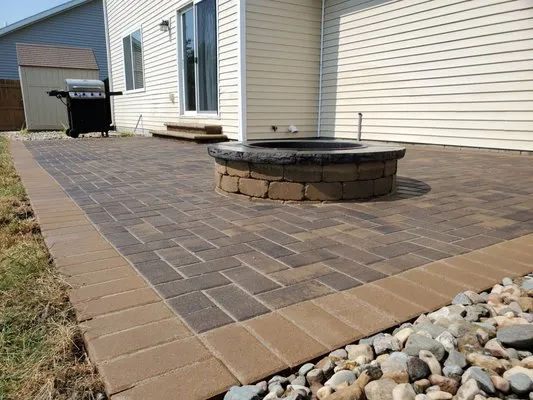
Tebock's Landscape brings over a decade of owner expertise and a combined 30 years of team knowledge to Ankeny and the greater Des Moines area. Founded in 2020, this licensed landscaping company speci...
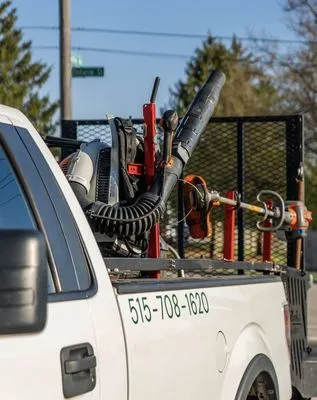
Kingdom Keepers is a locally owned and operated landscaping business in Ames, IA, founded by brothers Adam and Andrew Engelman. With over a decade of experience serving Story County homeowners and bus...
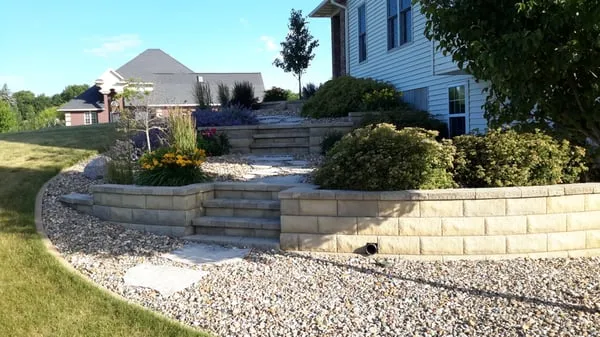
Chase Landscaping has been a trusted name in central Iowa since 1990, specializing in comprehensive landscape design and installation. Based in Marshalltown, this licensed and insured company handles ...
ACG Outdoor Restoration is a locally owned and operated company serving Ankeny, IA. We specialize in transforming outdoor spaces through expert fencing, gate installation, and comprehensive landscape ...
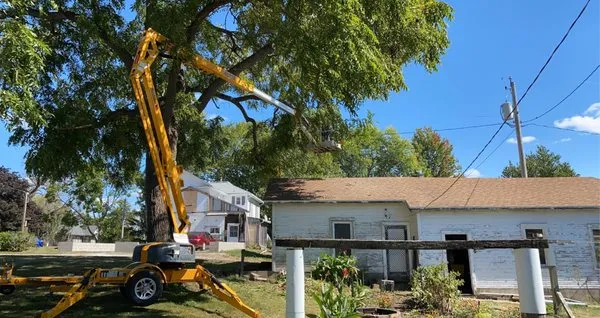
E & H Tree Service provides dependable tree care and landscaping for homes and businesses in Gilman and the surrounding Marshall County area. As certified arborists, our team focuses on the health and...
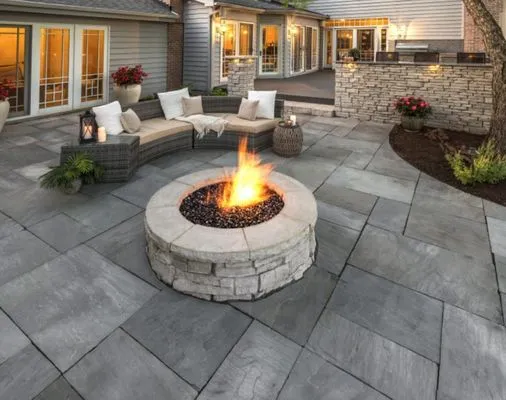
Brilliant Borders Landscaping
Brilliant Borders Landscaping brings over two decades of dedicated service to Waukee and the wider Central Iowa area, having been established in 2004. Born from a genuine passion for transforming outd...

Bear Creek Landscapes
Bear Creek Landscapes & Nursery is a locally owned and operated landscape business based in Cedar Falls, Iowa, serving the Waterloo, Cedar Falls, and surrounding areas. We specialize in creating custo...
Labor and more! is a trusted local business in Brandon, IA, specializing in demolition and landscaping services. We help homeowners and businesses tackle common local issues like lawn insect damage an...
Estimated Landscaping Service Costs in Tama, IA
FAQs
With water restrictions always a possibility, how do I keep my Kentucky Bluegrass mix healthy without wasting water?
Current monitor-only status is best managed proactively with smart, Wi-Fi soil moisture sensor controllers. These devices schedule irrigation based on actual evapotranspiration (ET) and soil conditions, not just a timer. This precision prevents overwatering, conserves municipal resources, and maintains turf health by applying water only when and where the root zone needs it.
My lawn seems tired and compacted. Is it just old, or is there something specific about Tama's soil I should know?
Homes in the Tama Residential District, averaging 70 years old, have mature Mollisols soils. This silty clay loam naturally compacts over decades, reducing percolation and oxygen to roots. Annual core aeration is critical to disrupt this pan. Follow with a top-dress of compost to increase organic matter, which improves soil structure and water infiltration for the long term.
My yard holds water every spring. Is this a common issue here, and what's a permanent solution?
Seasonal high water tables and poor infiltration are typical for Tama's silty clay loam soils. Solving this requires improving permeability. Installing French drains or dry creek beds directs water, while replacing solid concrete with permeable concrete pavers or crushed limestone for paths reduces surface runoff. These changes often meet the Tama City Clerk's stormwater management standards.
A storm just blew through and I need debris cleared fast for an HOA inspection. How quickly can a crew get here?
For emergency cleanup, a crew can be dispatched from the Tama Civic Center. Taking US Highway 30 to the Residential District allows arrival within the 20-30 minute peak storm response window. Initial site safety and major debris removal are prioritized to meet compliance deadlines, with finer detail work following the initial response.
I'm replacing a wooden deck. Are concrete pavers a better long-term choice for our climate?
Concrete pavers or crushed limestone offer superior longevity to wood in Iowa's freeze-thaw cycles, with minimal rot or splintering. For properties concerned with the Low Fire Wise rating, these non-combustible materials also help create the necessary defensible space by replacing flammable organic mulch or wood structures immediately adjacent to the home.
I'm tired of weekly mowing and gas equipment noise. What's a quieter, lower-maintenance alternative to grass?
Transitioning high-input turf areas to a xeriscape of native plants like Purple Coneflower, Little Bluestem, and Butterfly Milkweed drastically reduces mowing and watering. This climate-adapted landscape also aligns with evolving municipal noise ordinances that increasingly restrict gas-powered blowers. The result is a biodiverse, fire-resistive habitat that requires minimal seasonal maintenance.
I want to regrade my backyard for better drainage. Do I need a permit, and what kind of contractor should I hire?
Regrading a 0.22-acre lot often requires a permit from the Tama City Clerk/Planning Office to ensure proper drainage flow and compliance with codes. The work must be performed by a contractor licensed through the Iowa Department of Public Health for any associated irrigation or plumbing work, and potentially the Iowa Department of Agriculture if soil amendments or pesticides are involved in the restoration.
I see a fast-spreading vine taking over a fence line. How do I handle it without harming my other plants or the creek behind my property?
Early identification of invasive species like wintercreeper or bindweed is key. Manual removal is best for small patches. For larger infestations, targeted, spot-applied herbicide by a licensed professional ensures safety for desirable plants. This approach strictly adheres to Iowa's phosphorus fertilizer restrictions near waterways, preventing nutrient runoff into local drainage systems.
