Top Landscaping Services in Sidney, IA, 51652 | Compare & Call
There are 40 landscaping companies server in Sidney IA
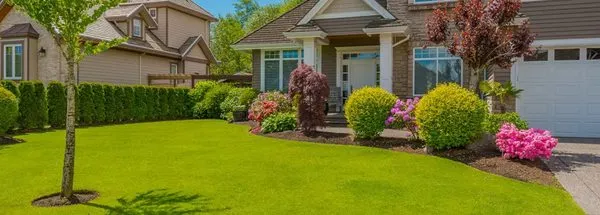
Go Green Lawncare is your trusted local lawn service provider in Stanton, IA. We specialize in comprehensive lawn care designed to address the specific challenges Stanton homeowners face, such as post...
Hensley Lawn Care & Home Improvement is a trusted, locally-owned service provider in Sidney, IA, dedicated to enhancing the curb appeal and value of area homes. We understand the common challenges Sid...
Odd Jobs Ralph is a trusted, local landscaping service based right in Pacific Junction, IA. We specialize in tackling the common, frustrating yard problems homeowners face here, such as stubborn lawn ...
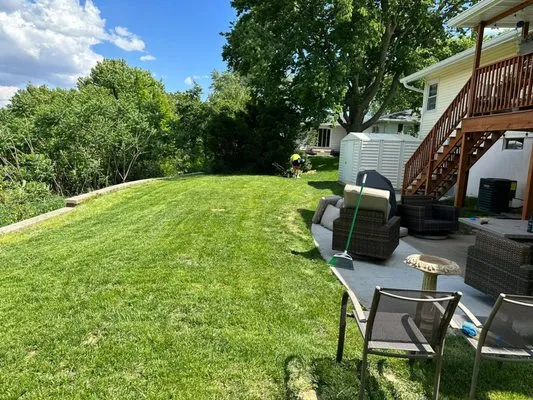
Premium Power Washing & Lawn Care is Riverton's trusted partner for maintaining a healthy, beautiful outdoor space. We specialize in comprehensive lawn care services designed to tackle the specific ch...
Earl May Garden Center
Earl May Garden Center in Shenandoah, IA, is a trusted, family-owned garden center that has been serving the community for generations. As part of a network of 28 locations across Iowa, Nebraska, Miss...
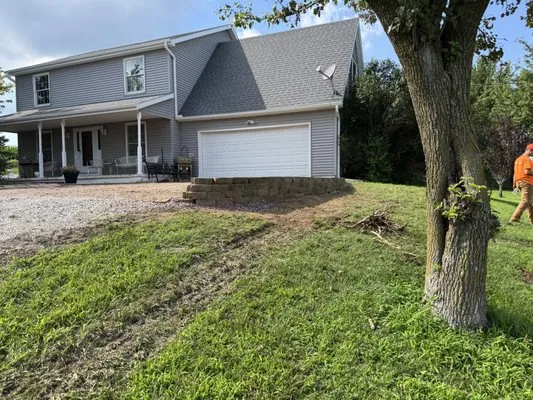
Mes Lawns is a trusted, locally-owned lawn service company serving Woodbine, IA, and the surrounding area. We specialize in comprehensive lawn care designed to tackle the common landscaping challenges...
Billings Property Maintenance
Billings Property Maintenance is a family-owned and operated business serving Council Bluffs, IA, dedicated to providing reliable property maintenance solutions. We specialize in comprehensive lawn ca...
Ralph's Crew is Sidney's trusted local lawn care provider, dedicated to keeping your yard healthy and vibrant. We understand the common challenges Sidney homeowners face, like irrigation timer failure...
TMH Carpentry and Lawn Services is your trusted local expert in Sidney, IA, specializing in both carpentry and comprehensive lawn care. We understand the unique challenges Sidney homeowners face, part...

Jeremy's Lawn Care is a trusted local lawn service provider serving Thurman, IA, and surrounding areas. Specializing in comprehensive lawn care, Jeremy helps homeowners maintain beautiful, healthy yar...
Estimated Landscaping Service Costs in Sidney, IA
FAQs
Why do I need a special permit to regrade my backyard?
Grading alters the site's drainage pattern, impacting neighboring properties and municipal systems. On a 0.35-acre lot in Fremont County, any significant earth movement requires a permit from the Fremont County Planning and Zoning office to ensure engineered plans prevent erosion or flooding. Furthermore, the work must be performed by a contractor licensed by the Iowa Department of Public Health for any associated irrigation plumbing, ensuring compliance with state code.
I've spotted what looks like Japanese Knotweed. How should I handle it?
Early identification and professional treatment are critical for invasive species like Japanese Knotweed. A certified applicator will use a targeted systemic herbicide during the plant's active growth phase, ensuring eradication. This protocol strictly adheres to Iowa Department of Agriculture guidelines for N-P-K runoff prevention, avoiding application near water bodies or during state-recommended blackout dates to protect local watersheds.
Is limestone or composite wood better for a new patio here?
Local limestone offers superior longevity and ecological integration for Sidney. Its mineral composition withstands freeze-thaw cycles inherent to Zone 5b, unlike wood which requires chemical treatments and eventual replacement. From a Fire Wise perspective, the non-combustible stone also provides critical defensible space in Moderate-rated Rural-Urban Interface zones, a functional advantage composite materials cannot match.
How do I keep my lawn green during dry spells without overwatering?
Effective irrigation in Sidney relies on precision, not volume. Smart Wi-Fi soil moisture sensor controllers are calibrated to the evapotranspiration (ET) rate and the specific water retention of your silty clay loam. These systems deliver water only when the root zone of your Kentucky Bluegrass and Tall Fescue blend requires it, preventing runoff and adhering to municipal conservation guidelines. This technology optimizes turf health while keeping water usage 20-40% below traditional timer-based systems.
What's the best long-term fix for low spots that hold water every spring?
Seasonal ponding in Sidney's loess topography is a function of soil permeability. A graded French drain system, backfilled with crushed rock aggregate, creates a subsurface channel to redirect water. For new hardscapes, specifying permeable local limestone setts allows infiltration, directly addressing runoff and often simplifying compliance with Fremont County Planning and Zoning standards. These solutions work with the site's hydrology rather than fighting against it.
Can I have a low-maintenance yard that still looks intentional?
Absolutely. Transitioning perimeter zones to a matrix of native species like Big Bluestem, Purple Coneflower, and Switchgrass significantly reduces water, mowing, and chemical inputs. These deep-rooted perennials are adapted to Zone 5b and build soil health. This shift preemptively addresses evolving municipal noise ordinances by reducing dependency on gas-powered blowers and mowers, creating a resilient landscape that supports local biodiversity.
How quickly can you respond to an HOA violation notice for storm debris?
Emergency compliance cleanups are dispatched from our central staging area near the Fremont County Courthouse. Using US Highway 275, our electric fleet can reach most Sidney Residential Center properties within the 20-30 minute peak response window, even during high-traffic periods. This routing ensures we can commence debris removal and restoration before standard nuisance ordinance deadlines, utilizing quiet equipment compliant with post-7:00 AM noise restrictions.
Why does my yard seem to compact and hold water more than my neighbor's new development?
Soil maturity is a primary factor. In Sidney Residential Center, the average lot has a 63-year history (2026 - 1963 build year), allowing the underlying Mollisols to fully settle. Decades of standard maintenance have compacted the natural silty clay loam, reducing its permeability. This legacy compaction explains the dense, slow-draining profile and necessitates core aeration paired with compost amendments to reintroduce organic matter and restore soil structure.
