Top Landscaping Services in Palo, IA, 52324 | Compare & Call

Sage Advice Landscaping has been serving the Palo, IA community for over 19 years, bringing deep horticultural expertise to every project. Based in Eastern Iowa, this local business specializes in cre...
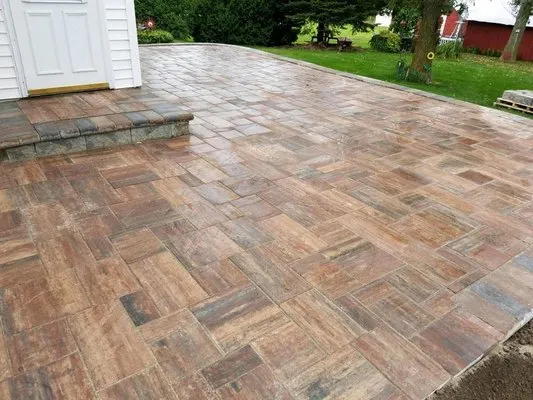
KJ's Green Thumb & Landscaping
KJ's Green Thumb & Landscaping LLC brings over 30 years of experience to homeowners in Palo, Vinton, and Cedar Rapids, Iowa. As a licensed landscaping service, we specialize in creating beautiful, fun...
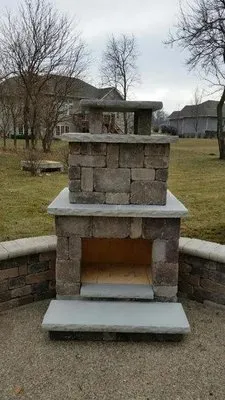
Future Lawns & Landscaping
Future Lawns & Landscaping LLC is a full-range landscaping service based in Palo, IA, established in 2010. They specialize in landscape and greenscape design, lawn care, snow removal, hardscaping, and...

JAM Lawn & Landscape
JAM Lawn & Landscape is your trusted, local partner in Palo, IA, dedicated to keeping your property healthy and beautiful. We understand the specific challenges faced by homeowners in our area, from p...
Prairie Landscapes is a dedicated landscaping company serving Palo, IA, and the surrounding communities. We specialize in addressing common local lawn challenges, particularly poor lawn grading and de...

319 Lawn Care is a trusted, locally-owned landscaping business serving Palo, Cedar Rapids, Marion, and surrounding Linn County communities. We specialize in creating and maintaining healthy, beautiful...
Frequently Asked Questions
Should I replace high-maintenance grass with native plants?
Transitioning to Purple Coneflower, Little Bluestem, Butterfly Milkweed, and Wild Bergamot reduces mowing frequency from weekly to seasonal maintenance. Native plantings require no chemical inputs and support local pollinator populations ahead of 2026 biodiversity targets. This approach minimizes gas-powered equipment use as noise ordinances increasingly restrict blower operations. Established native landscapes withstand USDA Zone 5b conditions with minimal irrigation once established.
What permits and licenses are needed for grading my 0.35-acre lot?
Linn County Planning & Development requires grading permits for any earth movement exceeding 50 cubic yards on residential properties. The Iowa Department of Agriculture and Land Stewardship mandates licensed professionals for drainage work affecting water tables or neighboring parcels. On 0.35-acre lots, even modest regrading can trigger permit requirements due to runoff implications. Proper licensing ensures compliance with erosion control standards and protects against liability for downstream water issues.
What's the best solution for my yard's poor drainage and standing water?
Seasonal high water tables in Mollisols require French drains or dry wells to redirect subsurface flow. Replacing impermeable surfaces with permeable concrete pavers increases infiltration rates to meet Linn County Planning & Development runoff standards. Crushed limestone pathways provide additional drainage capacity while maintaining structural integrity. These interventions address the loam soil's natural compaction tendencies that cause poor infiltration.
Can smart irrigation keep my Kentucky Bluegrass healthy under water conservation rules?
Wi-Fi soil moisture sensor controllers adjust watering based on actual ET rates, not fixed schedules. These systems maintain Tall Fescue and Kentucky Bluegrass within Palo's standard conservation guidelines by preventing overwatering during high water table periods. The technology reduces municipal water use 30-40% while preserving turf health through precise moisture delivery. This approach meets 2026 biodiversity standards without violating any current water restrictions.
How quickly can you respond to storm damage for HOA compliance?
Emergency cleanup crews dispatch from the Palo Community Center via I-380, reaching City Center properties within 20-30 minutes during peak conditions. Our electric maintenance fleet operates within the 7am-9pm noise ordinance window without gasoline engine restrictions. We prioritize fallen limb removal and drainage channel clearing to prevent water table issues. This rapid response meets most neighborhood association debris removal deadlines.
Why does my 22-year-old Palo lawn struggle despite regular care?
Palo's Mollisols/Loam soil in City Center neighborhoods has likely compacted since 2004 construction, reducing permeability below the 6.5-7.2 pH range. Twenty-two years of foot traffic and equipment weight create anaerobic conditions that limit root oxygen access. Core aeration every 2-3 years with compost topdressing introduces organic matter to restore soil structure. This addresses the seasonal high water table by improving infiltration rates before the mid-April mulching peak.
How do I manage invasive species without harming my garden?
Japanese knotweed and garlic mustard pose the greatest threats in Palo's urban/rural interface. Manual removal during early growth stages prevents seed dispersal without chemical intervention. When treatment is necessary, phosphorus-free herbicides applied outside water body buffer zones comply with local fertilizer ordinances. Regular monitoring during May-October growing months catches invasions before they establish competitive advantages over native species.
Are concrete pavers better than wood for patio materials in Palo?
Concrete pavers outperform wood in longevity, requiring no chemical treatments and maintaining integrity for 25+ years in Zone 5b freeze-thaw cycles. Their non-combustible nature supports the Low Fire Wise rating by creating defensible space without fuel accumulation. Crushed limestone complements pavers with excellent permeability that manages the seasonal high water table. Both materials withstand Iowa temperature extremes better than wood's inevitable decay and maintenance requirements.
