Top Landscaping Services in Norwalk, IA, 50061 | Compare & Call

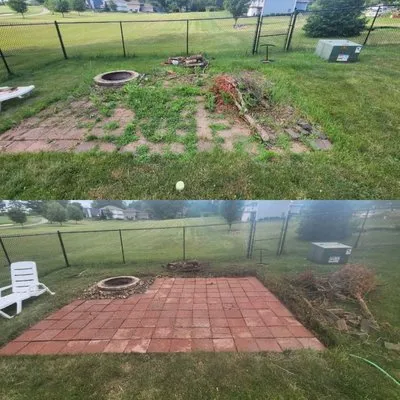
Harbour's Lawn is Norwalk's trusted partner for maintaining a clean, healthy, and beautiful property. We understand that local homeowners face specific challenges like stubborn moss growth and persist...

Norwalk Seasonal Services was founded in 2014, beginning with a commitment to clearing driveways for neighbors. Today, we are a licensed, bonded, and insured team serving Norwalk with comprehensive la...
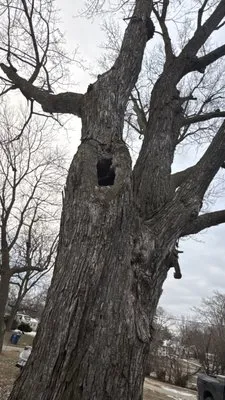
Elder's Tree Service is a licensed, locally owned and operated tree care company proudly serving Norwalk, IA, and the surrounding communities since 2017. As your trusted neighborhood tree experts, we ...
Heck's Finishing Touch LLC is a trusted, local carpentry and landscaping business serving Norwalk, IA, and the surrounding communities. We specialize in a wide range of services, from custom deck cons...
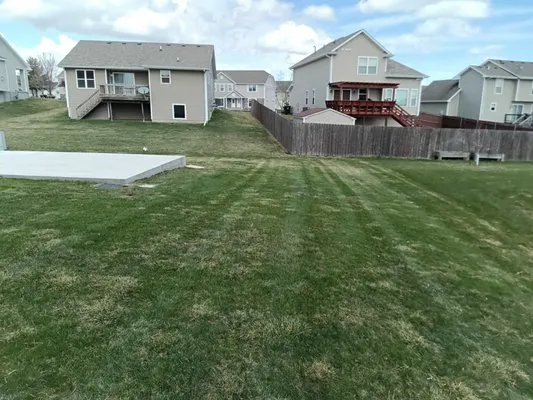
Advanced Lawn Services provides expert lawn care solutions for Norwalk, IA homeowners. We understand the specific challenges local lawns face, such as damage from invasive tree roots and persistent mo...
Rocky Burgett's Tree Service is a trusted, locally-owned company serving Norwalk homeowners with expert tree and landscape care. We understand the specific challenges you face, like persistent moss gr...
Adams Lawn Care is a trusted local lawn service provider in Norwalk, IA, dedicated to keeping your yard healthy and vibrant. We specialize in comprehensive lawn care solutions tailored to the specific...
Foust Grading & Seeding is a Norwalk-based landscaping expert dedicated to solving common local yard problems like poor drainage and standing water. We specialize in professional grading and seeding s...

J C's Tree Service is a trusted local provider in Norwalk, IA, offering comprehensive tree care, landscaping, and excavation solutions. We specialize in addressing common local yard challenges like de...
Frequently Asked Questions
Why does my soil feel so compacted and drain poorly?
Your property in Echo Valley is built on Clarion-Nicollet-Webster loam, a soil with high clay content. With an average home built in 1998, the soil profile has had nearly 30 years of standard construction and maintenance practices that deplete organic matter and increase compaction. This reduces soil percolation and is the primary cause of seasonal ponding. Annual core aeration and the incorporation of composted organic matter are essential to rebuild soil structure and improve root zone health.
What invasive species should I watch for, and how do I treat them?
Common invasive threats in this area include creeping bellflower and garlic mustard, which compete aggressively with native flora. Manual removal is effective for small infestations. For chemical treatment, select herbicides that target specific plants without broad-spectrum soil activity. Always conduct a soil test before any application to ensure compliance with Norwalk's ordinance prohibiting phosphorus fertilizer on established turf, and adhere to labeled application windows to protect groundwater.
How can I keep my lawn green during voluntary water conservation?
Modern smart irrigation systems using Wi-Fi and ET-based weather sensing are calibrated for Norwalk's voluntary conservation stage. These controllers adjust watering schedules in real-time based on local evapotranspiration rates, preventing overwatering. This technology delivers precise moisture to the root zone of Kentucky Bluegrass and Tall Fescue blends, maintaining turf health while strictly adhering to municipal water use guidelines and promoting deeper root growth.
What permits and licenses are needed to regrade my yard?
Regrading a 0.28-acre lot often requires a permit from the City of Norwalk Community Development Department, especially if it alters water flow to adjacent properties. The contractor must hold appropriate registration with the Iowa Secretary of State. If the regrading involves modifying or installing irrigation lines, a licensed professional holding credentials from the Iowa Department of Public Health for plumbing and irrigation work is legally required to ensure system integrity and code compliance.
Is a paver patio better than a wood deck for my backyard?
Concrete pavers and limestone veneer offer superior longevity and lower lifetime maintenance compared to wood, which requires regular sealing and is susceptible to rot. In Norwalk's moderate Firewise Urban Interface rating, non-combustible hardscape materials like these also contribute to defensible space by creating a fire-resistant barrier. Properly installed with a permeable base, paver systems manage runoff effectively and provide a durable, permanent landscape feature.
How quickly can you respond for an urgent HOA compliance cleanup?
For an emergency cleanup or HOA violation notice in Echo Valley, we can typically dispatch a crew within 24 hours. Our routing from Norwalk City Hall uses Iowa Highway 28 for direct access, allowing for an estimated arrival of 20 to 30 minutes during peak service hours. This schedule accounts for standard traffic conditions to ensure timely mitigation of compliance issues before fines are assessed.
What's the best way to fix persistent standing water in my yard?
Seasonal ponding is a direct result of the low permeability in Clarion-Nicollet-Webster loam. Solutions include installing French drains or dry creek beds to channel water away from foundations. For new hardscapes, using permeable concrete pavers instead of solid concrete can significantly increase surface infiltration. These systems often require a review by the City of Norwalk Community Development Department to ensure they meet current stormwater runoff management standards.
Are there lower-maintenance alternatives to my traditional grass lawn?
Transitioning sections of high-input turf to a native plant community is a forward-looking strategy. Species like Purple Coneflower, Little Bluestem, Butterfly Milkweed, and Wild Bergamot are adapted to Zone 5b and require no fertilization, minimal watering, and infrequent cutting. This shift reduces dependency on gas-powered blowers and mowers, aligning with evolving noise ordinance trends and supporting local pollinator biodiversity ahead of 2026 ecological benchmarks.
