Top Landscaping Services in Lenox, IA, 50851 | Compare & Call

There are 92 landscaping companies server in Lenox IA
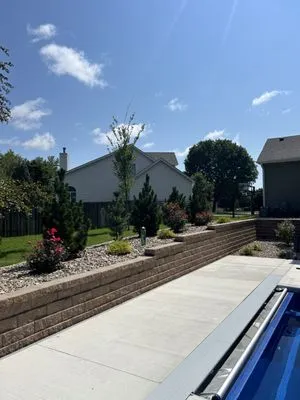
Solid Rock Landscaping
Solid Rock Landscaping is a family-operated West Des Moines landscaping company founded in 2003 by Jon Wallenburg. With over 40 years of combined experience, Jon and co-owner Chris specialize in creat...
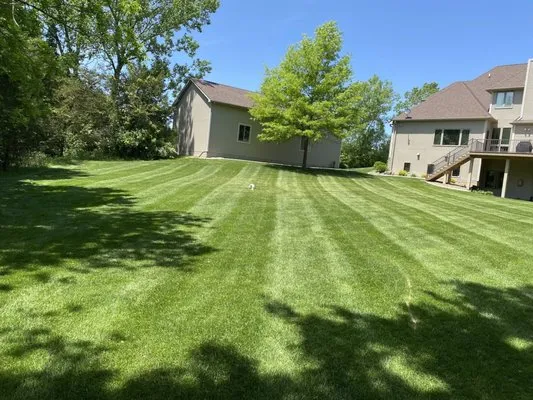
T and G Landscaping is a local, family-operated lawn care provider serving Des Moines, IA. We specialize in the essential services that keep your property looking its best, including thorough mowing, ...
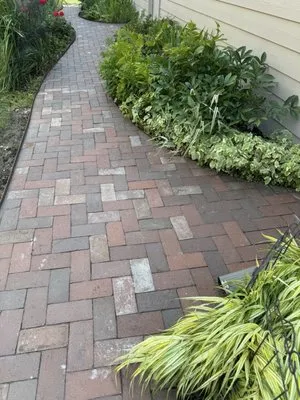
MR2 Services, Inc. has been a trusted provider of landscape design/build and concrete flatwork services in the Des Moines Metro Area for over 20 years. Based in Runnells, IA, we specialize in creating...
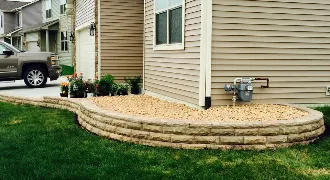
Central Iowa Dirt Works
Central Iowa Dirt Works began in 2008 when owner Cody McDowell started a small lawn-care operation with just a handful of employees. Over the years, the Johnston-based company has evolved from its mow...
Allen Lawn Care And Landscaping
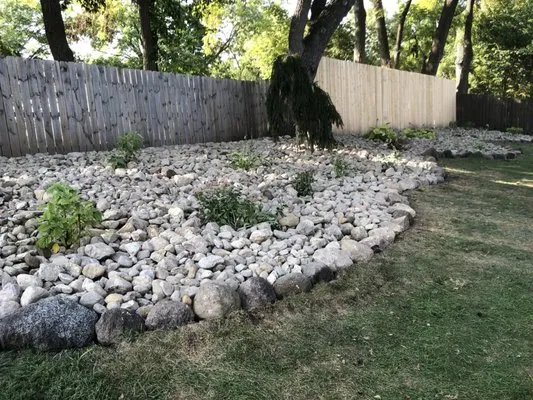
Allen Lawn Care And Landscaping has been a trusted family-owned landscaping service in Des Moines, IA, since 1988. With over 30 years of experience, we specialize in comprehensive landscaping, lawn ca...
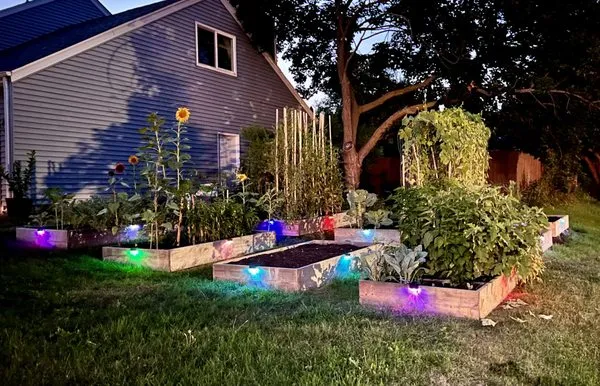
MyFruitCare is a West Des Moines-based gardening and landscaping service founded by a certified Master Gardener with over 14 years of hands-on experience. The business specializes in comprehensive gar...
Whitfield's Lawn and Garden
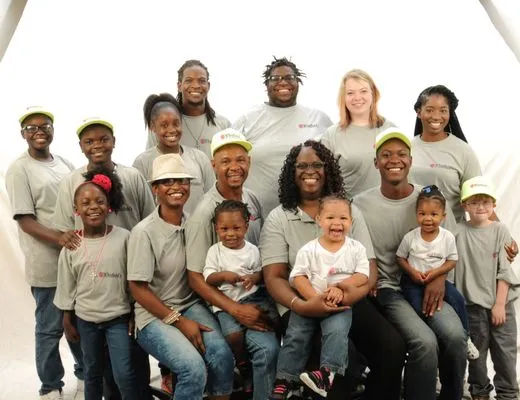
Whitfield's Lawn and Garden is a family-owned landscaping company serving Des Moines, IA, and surrounding areas since 2002. Founded by an owner with degrees in Landscape Management and Greenhouse Mana...
Shepherd Lawn Services
Shepherd Lawn Services is a locally owned and operated business in Urbandale, dedicated to enhancing the beauty and health of your outdoor space. We provide both residential and commercial clients wit...
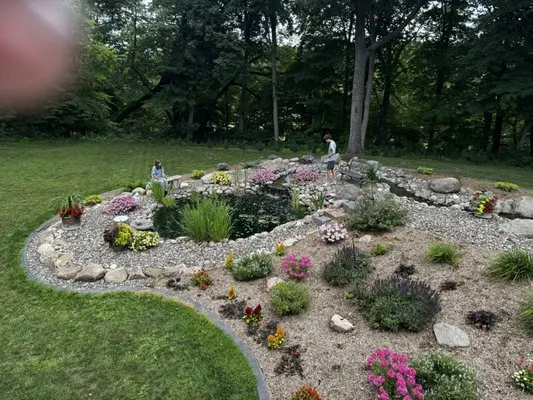
Just Add Water was founded in 2004 by Chris Thompson, a Master Certified Aquascape Contractor whose passion for water features began with a personal project in his Ankeny backyard. After moving to Des...
Winward Property Improvement
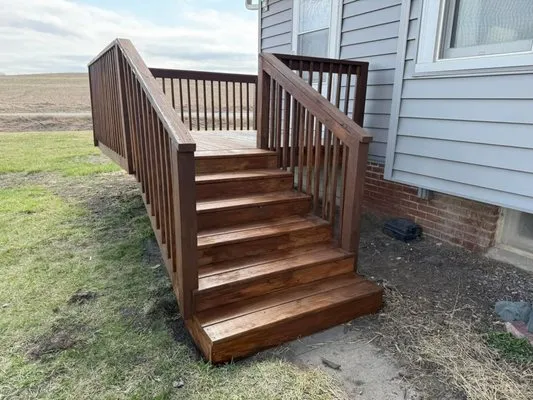
Winward Property Improvement is a locally-owned and operated company serving New Virginia, IA, specializing in comprehensive outdoor renovations and property enhancement. We focus on excavation servic...
Estimated Landscaping Service Costs in Lenox, IA
Frequently Asked Questions
Can I maintain Kentucky Bluegrass and Tall Fescue with voluntary water conservation?
Smart Wi-Fi soil moisture sensor controllers optimize irrigation by tracking evapotranspiration rates and soil conditions. These systems apply water only when needed, typically reducing usage by 20-40% compared to traditional schedules. For Lenox's voluntary conservation environment, this technology preserves turf health while staying within municipal water limits. Deep, infrequent watering encourages deeper root systems that better withstand dry periods.
How quickly can you respond to storm damage for HOA compliance?
Emergency cleanup crews dispatch from Lenox City Park via IA-148, arriving within 20-30 minutes during peak conditions. This response time accounts for debris clearance, branch removal, and safety assessments. Electric maintenance equipment operates within daytime noise ordinance hours (7:00 AM - 9:00 PM) without disruption. Immediate documentation and communication with property managers ensure compliance while restoring landscape integrity.
How can I reduce maintenance while preparing for future regulations?
Replacing high-maintenance turf with native plantings like Purple Coneflower, Butterfly Milkweed, Little Bluestem, and Wild Bergamot creates resilient, low-input landscapes. These species require minimal watering, no regular mowing, and support local pollinators. Transitioning to electric equipment now anticipates potential gas-blower restrictions under noise ordinances. This approach reduces carbon footprint while establishing biodiversity corridors ahead of 2026 conservation targets.
What solutions exist for seasonal ponding in clay-heavy areas?
Moderate ponding in silty clay loam depressions requires improving soil permeability and surface drainage. French drains or dry wells connected to permeable hardscapes like crushed limestone allow gradual infiltration. Concrete pavers with wider joints also increase surface permeability. These approaches meet Taylor County Zoning and Planning Office runoff standards while addressing the underlying hydraulic conductivity limitations of compacted clay soils.
Why does my Lenox City Center lawn struggle despite regular care?
Homes built around 1967 have soil that has matured for nearly 60 years, developing compaction in the silty clay loam Mollisols common to this neighborhood. These soils have moderate permeability but become dense over decades, restricting root growth and water infiltration. Core aeration every 2-3 years combined with organic amendments like compost improves soil structure and nutrient availability. Addressing this foundational issue reduces reliance on synthetic inputs and creates a more resilient landscape.
Are concrete pavers better than wood for longevity in our climate?
Concrete pavers and crushed limestone offer superior durability in Iowa's freeze-thaw cycles compared to wood, which requires regular treatment and replacement. These materials maintain structural integrity for decades with minimal maintenance. In areas with higher fire risk ratings, non-combustible hardscapes contribute to defensible space requirements. Their permeability also supports stormwater management goals while providing stable surfaces for recreational use.
What permits and licenses are needed for grading my 0.25-acre lot?
Significant grading work requires approval from the Taylor County Zoning and Planning Office to ensure proper drainage and erosion control. Contractors must hold Iowa Department of Public Health pesticide applicator licensing if soil amendments or treatments are involved. On quarter-acre lots, even minor elevation changes can affect neighboring properties, making professional oversight essential. Proper documentation protects against liability while ensuring work meets current environmental standards.
What invasive species should I watch for in Taylor County?
Common invasive alerts include Japanese knotweed, garlic mustard, and multiflora rose, which compete with native vegetation. Treatment involves mechanical removal or targeted herbicide applications by licensed professionals. All applications must follow state nutrient management guidelines, avoiding winter blackout periods when runoff risks are highest. Regular monitoring and early intervention prevent establishment while protecting soil microbiology and water quality.
