Top Landscaping Services in Gilbert, IA, 50105 | Compare & Call

There are 40 landscaping companies server in Gilbert IA

L&S Outdoor Services
L&S Outdoor Services is a locally owned and operated business founded in 2023 by Chance Steffens and his partners, who grew up in the Waukee and West Des Moines area. With deep roots in the community,...
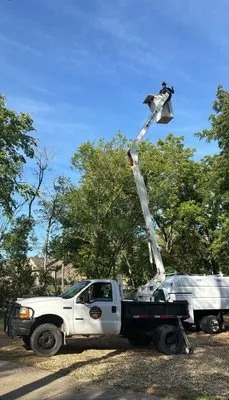
Even Enterprise is a trusted tree care and landscaping company serving the Des Moines area. We help homeowners achieve a beautiful, healthy, and safe outdoor space through professional tree services a...
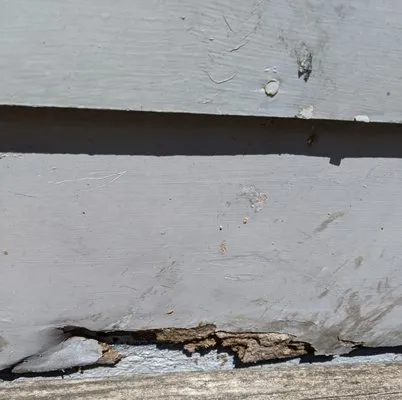
No Lawn Left Behind is a locally owned and operated landscaping company founded in Perry, IA, in 1999. Brothers Kevin and Kyle started the business in their youth, learning new skills and expanding se...
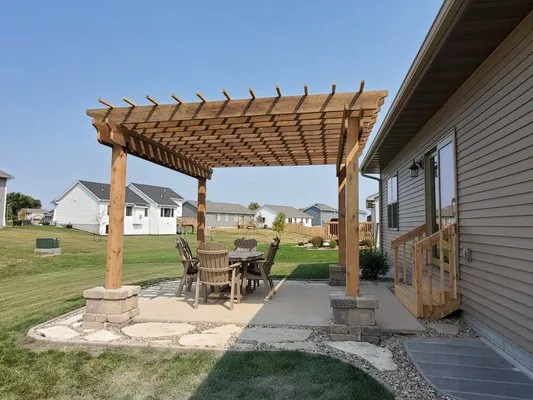
Hardscapes & More in Marshalltown, IA, is a local expert in painting, pressure washing, and landscaping services. They specialize in comprehensive outdoor solutions, including irrigation design, lands...
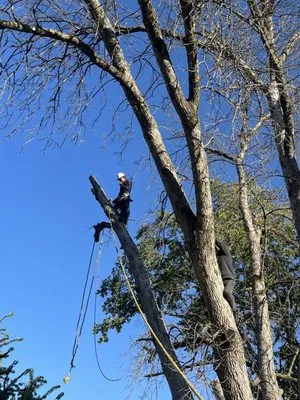
CleanScape Solutions is a trusted, full-service provider for Ames, IA, homeowners and businesses, specializing in tree care, landscaping, and excavation. We understand the unique challenges of Iowa's ...
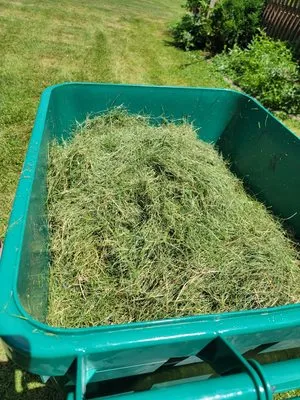
Overgrown Lawn Care & Clean-Up is a professional landscaping and lawn care service based in Stanhope, IA, dedicated to helping local residents and businesses maintain beautiful, functional outdoor spa...
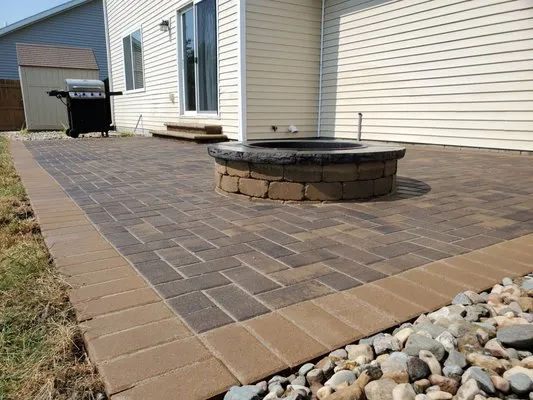
Tebock's Landscape brings over a decade of owner expertise and a combined 30 years of team knowledge to Ankeny and the greater Des Moines area. Founded in 2020, this licensed landscaping company speci...
Kingdom Keepers is a locally owned and operated landscaping business in Ames, IA, founded by brothers Adam and Andrew Engelman. With over a decade of experience serving Story County homeowners and bus...
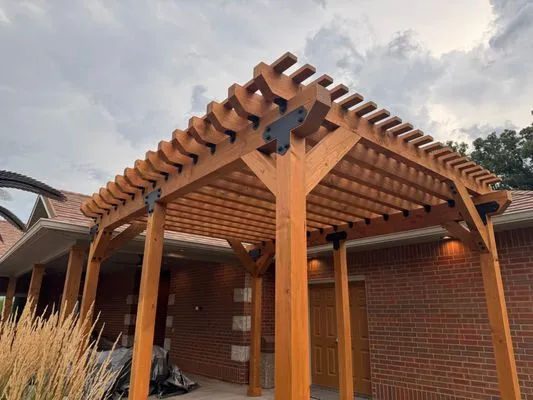
Distinctive Landscapes
Distinctive Landscapes is a premier landscaping company serving Ames, IA, and surrounding areas since 2013. Specializing in landscapes, hardscapes, custom carpentry, and remodeling, we bring over 30 y...
J&C is a trusted local service provider in Ames, IA, specializing in lawn care, snow removal, and comprehensive junk removal solutions. With a commitment to reliability and community-focused service, ...
Estimated Landscaping Service Costs in Gilbert, IA
Questions and Answers
Are concrete pavers better than wood for Gilbert patios?
Concrete pavers and crushed limestone provide 25+ year lifespans versus wood's 8-12 years in USDA Zone 5a freeze-thaw cycles. Their non-combustible nature supports Gilbert's low Wildland Urban Interface rating by creating defensible space without fuel loading. Interlocking systems with polymeric sand joints allow 0.5-inch per hour permeability, exceeding most runoff requirements. Thermal mass properties reduce urban heat island effect 3-5°F compared to asphalt alternatives.
Why does my Gilbert lawn struggle despite regular care?
Gilbert's Residential Core lots, built around 1980, have 46-year-old soil systems in Clarion-Nicollet-Webster Loam. This glacial till subsoil develops dense compaction over decades, reducing permeability to 0.5 inches per hour. Core aeration every 18 months with 3-4 inch depth penetrates the restrictive layer, while top-dressing with composted manure increases organic matter above 3%. Soil tests from Iowa State University Extension confirm pH 6.5-7.4 requires no lime adjustment, but phosphorus levels often fall below 15 ppm.
What permits and licenses does grading my 0.35-acre lot require?
Story County Planning & Development requires grading permits for cuts/fills exceeding 12 inches or affecting 500+ square feet. On 0.35-acre Gilbert lots, this typically triggers review when modifying more than 25% of the property's topography. Iowa Department of Public Health pesticide applicator licensing is mandatory for any soil fumigation or herbicide use during preparation. Certified professionals carry general liability insurance covering $1 million per occurrence for subsurface utility damage during excavation.
Should I replace high-maintenance turf with native plants?
Transitioning 30-50% of turf to Purple Coneflower, Butterfly Milkweed, and Little Bluestem reduces mowing frequency from weekly to twice annually. These deep-rooted natives access subsoil moisture at 3-6 foot depths, eliminating irrigation needs after establishment. Electric maintenance equipment operates within noise ordinance parameters while avoiding gas blower restrictions. Wild Bergamot and Prairie Dropseed create pollinator corridors that exceed 2026 biodiversity benchmarks for residential landscapes.
How quickly can you respond to storm damage for HOA compliance?
Emergency cleanup crews dispatch from Gilbert Elementary School via US Highway 69, reaching most Residential Core properties within 20-30 minutes during peak conditions. Our electric fleet bypasses noise ordinance restrictions on gas equipment, allowing dawn-to-dusk operation. We prioritize safety assessments of hanging limbs before debris removal, documenting all work for HOA submission. Standard response includes temporary erosion control with jute netting on exposed soil.
What solves standing water in my Gilbert yard after rains?
Dense glacial till subsoil in Clarion-Nicollet-Webster formations creates poor infiltration rates below 0.25 inches per hour. Install French drains with clean washed gravel wrapped in non-woven geotextile, sloping 1% toward daylight outlets. Replace impervious surfaces with permeable concrete pavers meeting Story County Planning & Development's 80% infiltration standard. For severe cases, dry wells 4 feet deep with 2-foot gravel reservoirs intercept subsurface flow before it surfaces.
How do I treat invasive species without harming pollinators?
Early detection of garlic mustard or Canada thistle requires targeted glyphosate applications at 2% solution during fall senescence. Iowa Department of Public Health licensed applicators follow state phosphorus guidance near water bodies, avoiding spring blackout dates when runoff risks peak. Mechanical removal before seed set complements spot treatments, while establishing competitive native groundcovers like Pennsylvania sedge suppresses reinvasion. Always maintain 15-foot buffer zones from flowering plants during applications.
Can smart irrigation really save water on Kentucky Bluegrass?
Smart Wi-Fi weather-based controllers reduce Kentucky Bluegrass and Tall Fescue water use 30-40% through ET-based scheduling. These systems cross-reference local evapotranspiration data with soil moisture sensors, applying 1-1.5 inches weekly during peak demand. Voluntary conservation measures in Gilbert allow this precision irrigation without violating municipal limits. Deep, infrequent watering cycles at 4-6 AM minimize evaporation while encouraging 8-inch root development for drought resilience.
