Top Landscaping Services in Fort Madison, IA, 52627 | Compare & Call
There are 29 landscaping companies server in Fort Madison IA

Season To Season Lawn Care & Construction
Season To Season Lawn Care & Construction is a locally owned and operated business serving Mount Pleasant, IA, and surrounding areas. Founded in early 2013 as a part-time venture, it quickly grew into...

Leaf It To Me is a Yarmouth-based lawn and tree service provider dedicated to helping local homeowners maintain beautiful, functional outdoor spaces. We understand the unique challenges of Yarmouth ya...

Reeves Painting & Maintenance is a trusted, full-service provider for Keokuk homeowners, specializing in both landscaping and painting. We understand the local challenges of bare lawn patches and inse...
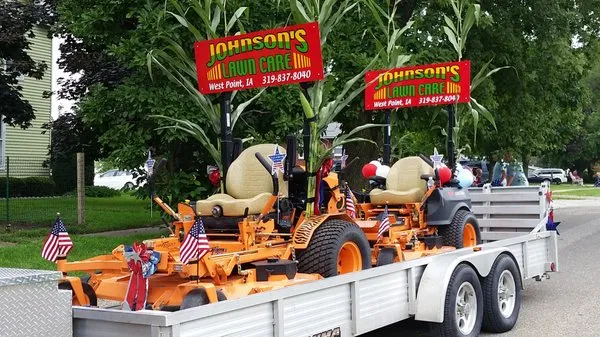
Johnson's Lawn Care is a true West Point success story. What began over 30 years ago as a childhood project to earn money for a go-kart has blossomed into a respected, family-run business owned and op...
Mikes Landscaping & Tree Service
Mike's Landscaping & Tree Service is a trusted, locally-owned business serving Fort Madison, IA, and the surrounding communities. We specialize in comprehensive landscape design, routine maintenance, ...

FatMan and Company is a trusted lawn and tree service provider in Fort Madison, IA, dedicated to helping local homeowners maintain healthy, beautiful outdoor spaces. We specialize in comprehensive law...
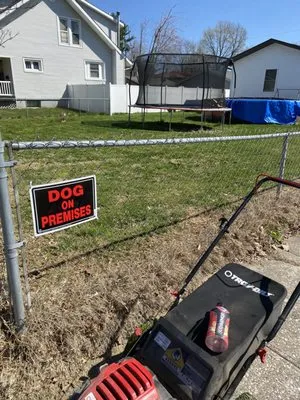
Ariston's Lawnmowing Service provides dependable lawn care for Fort Madison, IA, residents. We understand that a beautiful, healthy lawn requires consistent, expert attention. Our core service of regu...
McGraw Lawn Care is a dedicated Fort Madison lawn service, providing expert care to address common local landscaping challenges. We understand that homeowners here often face issues like patchy, thin ...
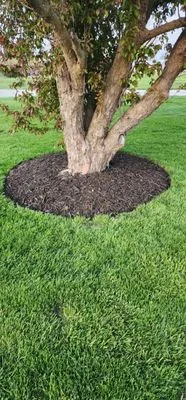
Straight Line Lawncare and Snow Removal is a locally-owned business in Keokuk, IA, dedicated to providing reliable lawn care and snow removal services. We focus on quality work and attention to detail...
Dave's Lawn Care is a professional lawn service based in Keokuk, IA, founded in 2015. We specialize in comprehensive lawn care and maintenance, including seasonal leaf removal and thorough yard cleanu...
Estimated Landscaping Service Costs in Fort Madison, IA
Common Questions
Why does my Historic Downtown lawn struggle with compaction and poor drainage?
Fort Madison's Historic District properties average 75 years of soil development since 1951 construction, creating mature silty clay loam profiles with reduced permeability. This soil type naturally compacts over decades, restricting root growth and water infiltration. Core aeration with organic amendments like composted leaf mold addresses compaction while improving soil structure. Regular soil testing maintains the optimal 6.5-7.2 pH range for nutrient availability in established landscapes.
What permits and licenses are needed for landscape grading work?
Grading alterations on 0.22-acre Historic District lots require Fort Madison Planning & Zoning Department review for drainage impact and historical preservation compliance. Contractors must hold Iowa Department of Public Health Pesticide Applicator Licensing for any soil amendment applications. Significant earth moving exceeding 50 cubic yards triggers additional erosion control permitting through state environmental agencies. Licensed professionals carry bonding for utility line protection during excavation operations.
Are permeable pavers better than wood for durable outdoor surfaces?
Permeable concrete pavers and limestone installations offer 25-30 year lifespans versus wood's 10-15 year maximum in zone 5b freeze-thaw cycles. These materials maintain critical defensible space for Low Fire Wise Rating compliance while managing stormwater runoff. Properly installed paver systems resist frost heave and settling common in silty clay loam substrates. Limestone's natural thermal mass moderates surface temperatures, reducing urban heat island effects in Historic Downtown microclimates.
Will smart irrigation keep my lawn healthy during dry periods?
Wi-Fi ET-based weather sensing irrigation calculates precise evapotranspiration rates for Fort Madison's climate zone 5b conditions. This technology applies only necessary water to maintain Kentucky Bluegrass and Tall Fescue blends, typically reducing usage 30-40% versus traditional timers. Systems automatically adjust for rainfall and humidity, staying well within municipal conservation guidelines. Proper programming prevents runoff while maintaining turf health through seasonal transitions.
How do I manage invasive species without harming waterways?
Japanese knotweed and garlic mustard present significant invasive risks in Fort Madison's riparian corridors. Targeted herbicide applications follow Iowa Department of Public Health licensing requirements and avoid State Phosphorus Application Regulation blackout dates near waterways. Mechanical removal combined with pre-emergent organic treatments prevents soil disturbance that exacerbates erosion. Monitoring programs track reinfestation patterns while establishing competitive native plant communities.
How quickly can you respond to storm damage for HOA compliance?
Emergency cleanup crews dispatch from Riverview Park maintenance facilities, accessing US Highway 61 for direct routing to Historic Downtown properties. This optimized path ensures 15-20 minute peak response times for fallen limb removal and debris management. Crews coordinate with local utilities for downed wire safety protocols before beginning cleanup operations. All equipment meets Standard noise ordinance restrictions for after-hours emergency work.
What solutions prevent spring thaw flooding in clay-heavy soils?
Silty clay loam's low permeability creates saturated subsoil conditions during spring thaw, requiring engineered drainage solutions. Permeable concrete pavers with aggregate bases provide 80-90% surface infiltration rates, meeting Fort Madison Planning & Zoning Department runoff standards. French drain systems with clean stone backfill redirect subsurface water away from foundations. Grading adjustments create positive slope while preserving existing tree root zones in compacted soils.
Can native plants reduce maintenance while supporting local ecology?
Transitioning high-maintenance turf to Purple Coneflower, Butterfly Milkweed, and Little Bluestem communities creates resilient landscapes requiring minimal inputs. These native species support 2026 biodiversity standards while eliminating weekly mowing and reducing irrigation needs by 70-80%. Electric maintenance equipment meets evolving noise ordinance restrictions on gas-powered blowers. Established native plantings provide year-round habitat value with seasonal interest from Wild Bergamot and New England Aster.
