Top Landscaping Services in Emmetsburg, IA, 50536 | Compare & Call

Kruse’n Lawn Care is a trusted, locally-owned lawn service provider in Emmetsburg, IA, dedicated to keeping your yard healthy and beautiful. We understand the common local challenges homeowners face, ...

Burdorf Landscape and Excavating
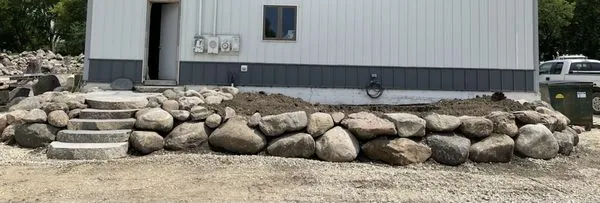
Burdorf Landscape and Excavating is a trusted, full-service excavation and landscaping company serving Emmetsburg, IA, and the surrounding communities. We specialize in professional excavation, demoli...
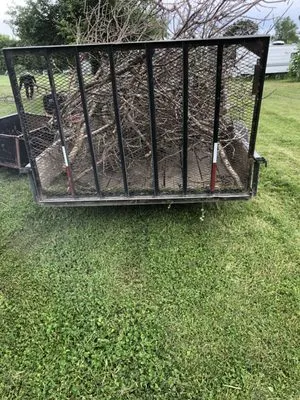
Wastun Lawn Care is a locally owned and operated lawn service based right here in Emmetsburg. The business started from humble beginnings with a single push mower and has grown through dedication to s...
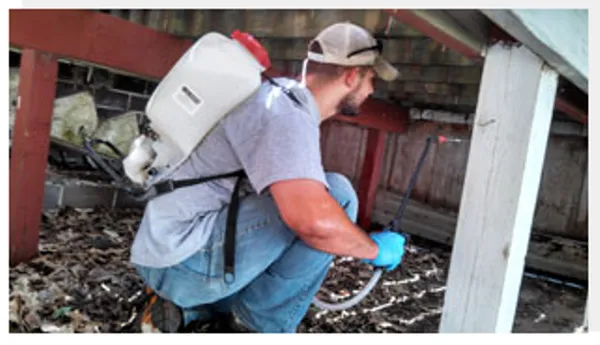
QS Lawn & Sprinkler is a trusted Emmetsburg, IA provider specializing in both lawn care and pest control services. We help local homeowners and businesses maintain healthy, beautiful lawns while prote...
Q&A
We have persistent soggy spots in our yard every spring. What's the cause and a lasting solution?
The seasonal high water table and poor infiltration in the clay subsoils of our local loam are the primary causes. Surface grading alone is insufficient. A subsurface solution, like a French drain tied to a dry well or daylight outlet, is needed to intercept and redirect this water. For new hardscapes, specifying permeable jointing for concrete pavers or using an open-graded crushed limestone base can significantly improve onsite infiltration and meet city runoff management standards.
Our yard's soil seems dense and tired. Is this common for houses built in the 1960s here?
Yes, this is typical for the Southwest Residential District. With original construction around 1962, the soil profile has had over 60 years of settlement and compaction, particularly in the underlying clay layers of the Clarion-Nicollet-Webster Loam. This compaction severely reduces permeability and root penetration. A core aeration program, followed by top-dressing with compost, is essential to rebuild soil structure and introduce the organic matter these mature lawns lack.
Is a wooden deck or a paver patio better for longevity and upkeep in our climate?
Concrete pavers and crushed limestone hardscapes offer superior longevity and lower lifetime maintenance compared to wood in our freeze-thaw cycles. They are non-combustible, which contributes to a Firewise Level 1 defensible space rating—a prudent consideration even in low-risk zones. Pavers also allow for easier repair and excellent permeability when installed correctly, addressing both durability and drainage concerns inherent to the Emmetsburg environment.
A major storm blew through near Five Island Lake. How quickly can a crew respond for emergency tree limb cleanup?
Our standard storm response from our depot is 15-20 minutes during peak events. The primary dispatch route uses US Highway 18 from the Five Island Lake area directly into the Southwest Residential District, which remains reliably passable. We coordinate with city services to prioritize hazardous blockages of driveways or public rights-of-way, ensuring compliance with local safety ordinances.
Do we need a permit to regrade our backyard, and what should we verify about a contractor?
Any significant regrading that alters stormwater flow patterns on a 0.22-acre lot typically requires review by the Emmetsburg City Hall Planning & Zoning office. It is crucial to hire a contractor licensed by the Iowa Department of Agriculture and Land Stewardship for pesticide application and, if moving large earth volumes, verify appropriate bonding and insurance. This ensures the work complies with state sediment control and nutrient management laws, protecting you from liability.
What invasive weeds should I be on the lookout for, and how do I manage them responsibly?
Crabgrass and creeping Charlie are prevalent invasive alerts. For responsible control, always start with a soil test to guide nutrient applications, as Iowa law prohibits phosphorus on established lawns without one. Post-emergent herbicides should be spot-applied only to affected areas, strictly following label rates. For broader suppression, maintaining a dense, healthy turf canopy through proper mowing height and core aeration is your first and most effective line of defense.
We want to reduce weekly mowing and gas equipment noise. What are our options?
Transitioning high-maintenance turf areas to a native plant community is the most effective long-term strategy. Species like Little Bluestem, Purple Coneflower, and Butterfly Milkweed are adapted to Zone 4b and require no mowing, minimal water, and no synthetic fertilizers once established. This approach future-proofs your landscape against tightening noise ordinances on gas-powered blowers and mowers, while providing critical habitat and aligning with 2026 biodiversity initiatives.
How do we keep our Kentucky Bluegrass lawn healthy during dry spells without violating water conservation guidelines?
Voluntary conservation in Emmetsburg is best achieved with an ET-based, soil moisture sensor-controlled irrigation system. These systems apply water only when the root zone moisture drops below a preset threshold, preventing overwatering. This technology can reduce potable water use by up to 30% while maintaining turf health. Deep, infrequent watering cycles encourage deeper root growth, enhancing the lawn's drought resilience within the local climate norms.
