Top Landscaping Services in Des Moines, IA, 50009 | Compare & Call
There are 191 landscaping companies server in Des Moines IA
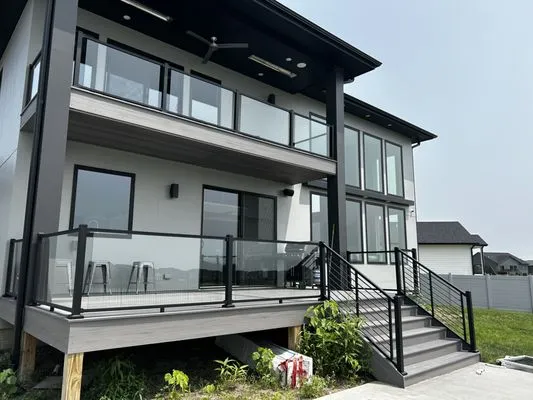
Vital View Services is a locally owned and operated business in Ankeny, IA, founded by Dominic and Ryan, two former Ankeny Centennial High School students who recognized a need for dependable window c...

Perennial Gardens
Perennial Gardens has been a trusted part of the Ankeny and Des Moines area landscaping community since 1996. Founded by Linda Grieve, our firm was created to provide comprehensive design, installatio...
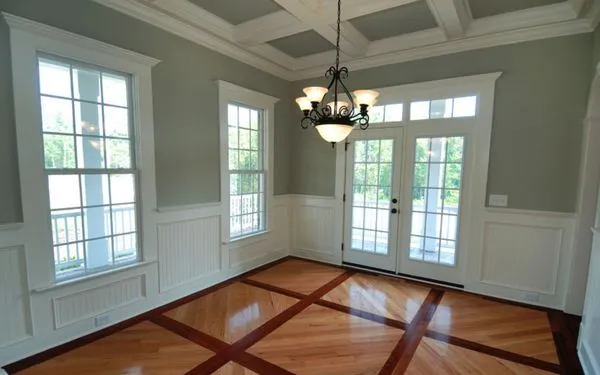
ZASN LLC is a Des Moines-based provider of professional home services, dedicated to handling both interior and exterior projects with quality and care. Our comprehensive approach includes everything f...

Landscapes By Design is a family-owned design-build landscaping firm serving the Ames and Des Moines areas, including Slater, IA. Founded by Weston, who holds a BLA in Landscape Architecture from Iowa...
Nodaway Valley Tree Farm
Nodaway Valley Tree Farm is a locally owned and operated Urbandale business dedicated to growing trees and shrubs specifically for Iowa's climate and soil conditions. With over 246 varieties of trees,...
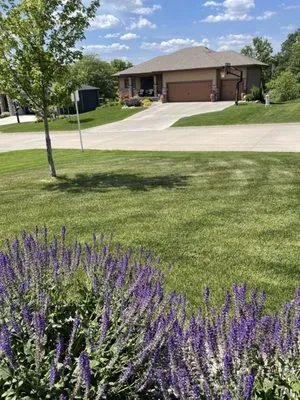
Terradyne Lawn Service is a locally owned and operated lawn care provider serving Ankeny, IA, and surrounding communities since 2004. Founded by Dave, who brings over three decades of industry experie...
Beautiful Lawns is a trusted, locally-owned lawn care provider serving Des Moines, IA. We specialize in comprehensive lawn care services designed to tackle the specific challenges homeowners in our ar...
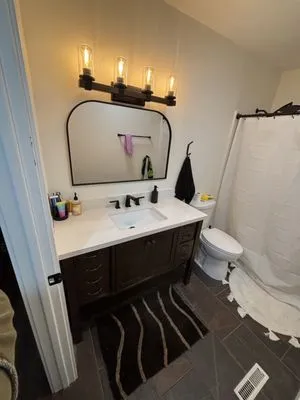
Fogle Lawn Care is a trusted, full-service provider in Des Moines, IA, dedicated to maintaining and enhancing your home's exterior. We understand the common local challenges of persistent weeds in mul...
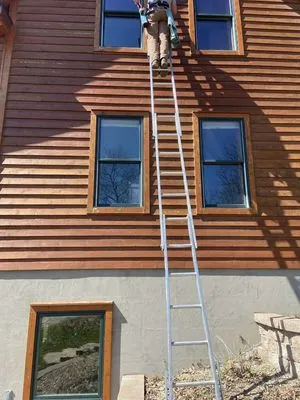
JAB Services is a locally-owned business in Des Moines dedicated to helping homeowners maintain their property's value and curb appeal through reliable lawn care, window cleaning, and pressure washing...
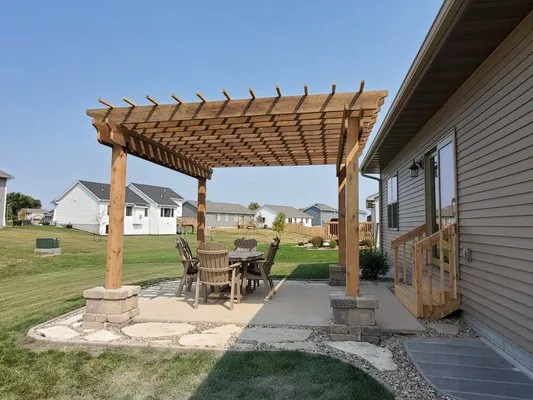
Hardscapes & More in Marshalltown, IA, is a local expert in painting, pressure washing, and landscaping services. They specialize in comprehensive outdoor solutions, including irrigation design, lands...
Estimated Landscaping Service Costs in Des Moines, IA
Question Answers
What solutions exist for seasonal ponding in my clay-heavy Highland Park yard?
Clarion-Nicollet-Webster loam's high clay content creates slow percolation rates, leading to temporary ponding after heavy rains. Installing French drains with proper slope directs water away from foundation areas. Permeable concrete pavers and limestone hardscapes allow water infiltration while meeting Des Moines Permit and Development Center runoff requirements. Dry creek beds with native stone provide both functional drainage and aesthetic appeal, reducing erosion on sloped sections of your 0.19-acre property.
Why does my Highland Park lawn struggle despite regular watering and fertilizing?
Your 1960-built property sits on Clarion-Nicollet-Webster loam soil that has developed significant compaction over 66 years. This soil type naturally tends toward poor permeability due to its clay content, which restricts root growth and water infiltration. Core aeration every 2-3 years is essential to break up compaction layers and improve oxygen exchange. Incorporating organic amendments like composted leaf mold can enhance soil structure and microbial activity, addressing the pH range of 6.5-7.2 common in these established neighborhoods.
How quickly can you respond to storm damage or HOA violation notices in Highland Park?
Emergency cleanup crews dispatch from our Union Park staging area, taking I-235 directly to Highland Park neighborhoods. During peak conditions, arrival occurs within 20-30 minutes for priority storm response. Our electric maintenance fleet operates within Des Moines noise ordinance restrictions (7:00 AM-9:00 PM), allowing immediate debris removal without violation concerns. We maintain real-time traffic monitoring to optimize routing around I-235 congestion points.
How should I address invasive species without violating Des Moines fertilizer regulations?
Early identification of invaders like creeping Charlie or garlic mustard allows targeted treatment before establishment. Spot applications of EPA-approved herbicides during active growth periods provide control without blanket chemical use. Des Moines prohibits phosphorus fertilizers except for new lawns or documented deficiencies, requiring soil testing before any amendment application. Mechanical removal combined with dense native plantings creates competition that naturally suppresses invasive resurgence.
What permits and licenses are required for significant landscape renovations on my property?
The Des Moines Permit and Development Center requires grading permits for earth moving exceeding 50 cubic yards on 0.19-acre lots. Professional landscape contractors must hold Iowa Department of Public Health pesticide applicator licensing for any chemical applications. Drainage modifications affecting property lines may require engineered plans and neighbor notifications. Retaining walls over 4 feet need structural review, while irrigation systems connecting to municipal water require backflow prevention certification.
What low-maintenance alternatives exist for reducing lawn care time and noise?
Transitioning sections to native plantings like Purple Coneflower, Butterfly Milkweed, and Little Bluestem creates resilient landscapes requiring minimal intervention. These deep-rooted species improve soil structure while supporting local pollinators. As Des Moines moves toward stricter gas-powered equipment regulations, electric maintenance becomes increasingly practical. Prairie Dropseed and Wild Bergamot provide year-round interest with only seasonal cutting, eliminating weekly mowing demands from April through October.
How do I maintain Kentucky Bluegrass and Tall Fescue during Des Moines water conservation periods?
Wi-Fi ET-based weather sensing irrigation systems calculate evapotranspiration rates using local weather data, applying water only when turfgrass actually needs it. This technology typically reduces water usage by 20-30% compared to traditional timer systems while maintaining turf health. Programming follows municipal conservation guidelines, with deep, infrequent watering cycles that encourage deeper root growth. Soil moisture sensors provide additional precision, preventing overwatering during seasonal rainfall events common in USDA Zone 5b.
Are permeable pavers worth the investment compared to traditional wood decking?
Permeable concrete pavers and limestone offer 30+ year lifespans versus wood's 10-15 year expectancy with regular maintenance. These materials withstand freeze-thaw cycles common in Iowa's Zone 5b climate without warping or rot. Their permeability reduces stormwater runoff, meeting current municipal standards for new installations. In fire-wise terms, non-combustible hardscapes create defensible space, though Des Moines maintains a low urban/suburban fire risk rating.
