Top Landscaping Services in Creston, IA, 50801 | Compare & Call

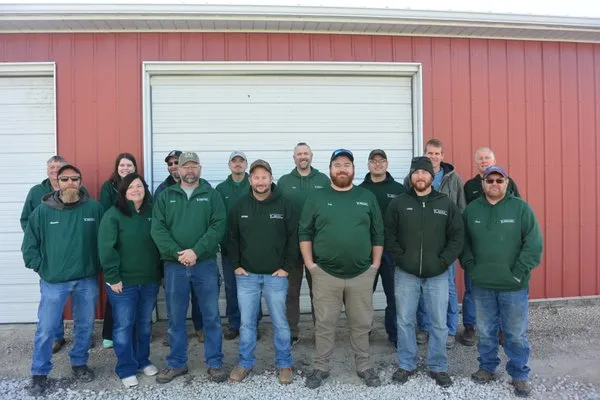
Green Valley Pest Control & Lawn Care
Green Valley Pest Control & Lawn Care is a family-owned business founded in 1987 by a local professional with a Bachelor's degree in Agricultural Business and Agronomy from Iowa State University. This...

Lazy T Lawn Service is your trusted local lawn care provider in Creston, Iowa. We specialize in comprehensive lawn maintenance tailored to the specific needs of our community, where homeowners often f...
Lynam Lawn Care is a trusted, locally-owned lawn service provider dedicated to keeping Creston, IA's yards healthy and vibrant. We understand the common local challenges of soil compaction, which star...
Handi Man Remodel & Repair is your trusted local contractor serving Creston, IA, and the surrounding area. We specialize in expert siding installation, repair, and replacement, as well as comprehensiv...

Panda Handyman Services is your trusted local expert in Creston, IA, specializing in handyman, landscaping, and roofing solutions. We understand the common local challenges homeowners face, like patch...
GrassBusters Lawncare is your trusted local partner for a pristine yard in Creston. We understand the specific challenges homeowners face here, from landscape edging damaged by harsh seasons to storm ...
Lawns and Beyond brings dedicated, professional lawn care directly to your doorstep in Creston, IA. As a team of two experienced and educated professionals, we take the time for a personal evaluation ...
Questions and Answers
Should I install an irrigation system given Creston's voluntary water conservation?
Smart Wi-Fi soil moisture sensing irrigation technology optimizes water use while maintaining Kentucky Bluegrass and Tall Fescue turf health. These systems apply water based on actual evapotranspiration rates rather than fixed schedules, reducing consumption by 30-50% compared to traditional timers. They automatically adjust for rainfall and soil conditions specific to Mollisols/Silty Clay Loam profiles. This approach supports voluntary conservation while preventing the drought stress that compromises turf density in USDA Zone 5b.
What permits and licenses are needed for landscape grading on my 0.22-acre lot?
Significant grading work on 0.22-acre lots requires approval from the Creston Building & Zoning Department to ensure compliance with stormwater management ordinances. Contractors must hold Iowa Department of Public Health pesticide applicator licensing if any soil treatments involve regulated materials. Professional engineering certification may be necessary for retaining walls over 4 feet or grade changes affecting adjacent properties. These requirements prevent erosion, protect water quality, and maintain neighborhood drainage patterns.
What solutions exist for standing water in my Creston yard after heavy rains?
Poor infiltration in Mollisols/Silty Clay Loam soils requires integrated drainage strategies. Installing French drains with clean gravel and perforated pipe redirects subsurface water away from foundations. Replacing impervious surfaces with permeable concrete pavers or crushed limestone meets Creston Building & Zoning Department runoff standards by allowing water infiltration. Grading adjustments that create subtle swales channel surface water toward designated drainage points without creating erosion hazards.
Why does my Uptown Creston lawn have drainage issues despite regular watering?
Uptown Creston lots typically feature Mollisols/Silty Clay Loam soil with pH 6.5-7.2, which has developed over 63 years since the neighborhood's average 1963 construction. This soil maturity results in compacted layers that reduce permeability, causing poor infiltration and heavy clay saturation. Core aeration with organic amendments like composted leaf mold improves soil structure by increasing pore space for oxygen and water movement. Addressing this compaction is essential for healthy root development in Kentucky Bluegrass and Tall Fescue turf.
Are concrete pavers better than wood for Creston patio installations?
Concrete pavers and crushed limestone offer superior longevity to wood in Creston's freeze-thaw cycles, with lifespans exceeding 25 years versus wood's 10-15 years. These materials maintain structural integrity despite Mollisols/Silty Clay Loam soil movement from seasonal moisture changes. Their non-combustible nature supports the low Fire Wise rating requirements for urban residential defensible space. Permeable installation methods enhance drainage while providing stable surfaces that resist frost heave damage.
How quickly can you respond to an emergency tree cleanup after a storm in Creston?
Our emergency storm response team dispatches from McKinley Park via US Highway 34, reaching most Uptown Creston properties within 15-20 minutes during peak conditions. This routing prioritizes arterial roads to bypass localized flooding common in areas with heavy clay soils. We coordinate with Creston Building & Zoning Department for any required permits during immediate hazard removal. Our electric equipment fleet operates within the 10 PM to 7 AM quiet hours ordinance for after-hours emergencies.
Can I reduce lawn maintenance while supporting local pollinators?
Replacing high-maintenance turf areas with native plantings like Purple Coneflower, Butterfly Milkweed, Little Bluestem, and Wild Bergamot creates resilient, low-input landscapes. These species thrive in Creston's USDA Zone 5b conditions without supplemental irrigation once established, conserving water resources. Native plantings support 2026 biodiversity standards by providing habitat for pollinators and beneficial insects. Transitioning to electric maintenance equipment for these areas complies with noise ordinances while eliminating gas emissions.
How do I manage invasive species without violating fertilizer restrictions?
Early detection and mechanical removal provide the safest control for invasive species like garlic mustard or Canada thistle in Creston. For persistent infestations, targeted spot treatments with EPA-approved herbicides applied by licensed professionals avoid blanket applications that could violate Iowa's phosphorus restrictions. Timing interventions before seed set in spring or fall prevents spread while respecting seasonal application blackout dates. Integrating competitive native plants creates ecological resistance against future invasions.
