Top Landscaping Services in Clinton, IA, 52730 | Compare & Call
There are 46 landscaping companies server in Clinton IA
Hoyer’s Lawn Care is a trusted, locally-owned lawn service in Clinton, IA, dedicated to maintaining healthy, beautiful yards for homeowners. We understand the common local challenges of tree root lawn...

Stacey’s Cleaning Service is a trusted local provider in Camanche, IA, offering comprehensive home cleaning, office cleaning, and lawn services to keep your property in top condition. We understand th...
Lasting Beauty Landscaping
For over three decades, Lasting Beauty Landscaping has been a trusted name in Mc Causland, IA, transforming outdoor spaces with expertise and care. Founded in 1989 by a horticulture degree-holder and ...

King's Material in Eldridge, IA, has been a trusted local resource for concrete and landscaping needs since 1882. With deep roots in the community, they specialize in both construction and repair serv...
Farrell's Lawn Care is a trusted, locally-owned lawn service provider serving Goose Lake, IA, and the surrounding communities. We specialize in comprehensive lawn care designed to tackle the specific ...
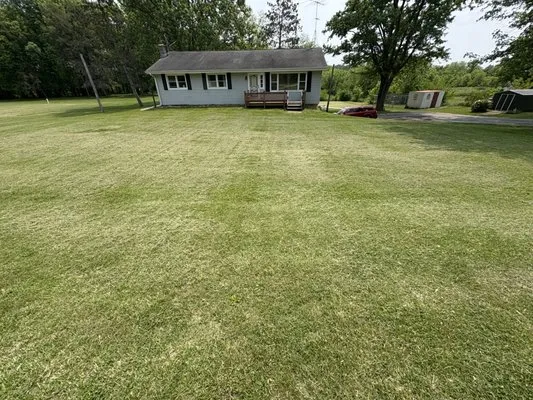
Cl Lawn Care is a trusted local lawn service provider based in Delmar, IA, dedicated to keeping your outdoor spaces healthy and beautiful. We specialize in comprehensive lawn care solutions, including...
Estimated Landscaping Service Costs in Clinton, IA
Q&A
Are concrete pavers better than wood for Clinton's climate?
Concrete pavers and crushed limestone outperform wood in Clinton's freeze-thaw cycles, lasting 25+ years versus wood's 10-15 year lifespan. These non-combustible materials support Clinton's low Fire Wise urban interface rating by creating defensible space without fuel sources. Properly installed with polymeric sand, paver systems resist frost heave common in Zone 5b. Limestone's alkaline pH complements local soil chemistry without altering nutrient availability for adjacent plantings.
How quickly can you respond to emergency storm damage for HOA compliance?
Emergency cleanup crews dispatch from Eagle Point Park via US-67, reaching most Eagle Point properties within 20-30 minutes during peak response times. We prioritize downed branches, debris clearance, and safety hazards to meet HOA compliance deadlines. Our electric equipment fleet operates within Clinton's noise ordinance restrictions, allowing early morning response without violating 7:00 AM gas equipment restrictions. This routing minimizes disruption during critical post-storm recovery periods.
How do smart irrigation systems work with Clinton's water restrictions?
Smart Wi-Fi weather-based controllers use real-time evapotranspiration (ET) data to adjust watering schedules dynamically. These systems maintain Kentucky Bluegrass and Tall Fescue blends while reducing water use by 20-30% compared to traditional timers. During Clinton's normal operations status, ET-based irrigation prevents overwatering while preserving turf health. The technology automatically adjusts for rainfall, humidity, and temperature fluctuations specific to USDA Zone 5b conditions.
Can native plants reduce my landscape maintenance needs?
Transitioning turf areas to Purple Coneflower, Butterfly Milkweed, Little Bluestem, and Wild Bergamot reduces mowing frequency by 75% and eliminates gas-powered equipment use. These Zone 5b natives require no irrigation once established, aligning with 2026 biodiversity standards. The shift supports pollinator habitats while staying ahead of evolving noise ordinances targeting gas blowers. Native plantings typically need only annual cutting back rather than weekly maintenance.
What solutions address moderate runoff in my silt loam yard?
Mollisols silt loam's moderate permeability requires engineered drainage solutions for seasonal high water tables. Permeable concrete pavers and crushed limestone installations increase surface infiltration rates by 40-60%. These materials meet Clinton Community Development Department runoff standards while directing water away from foundations. French drains or dry wells may supplement hardscape solutions where grade changes exceed 2% slope, preventing soil saturation during spring thaw periods.
How should I handle invasive species without harming waterways?
Common Clinton invasives like garlic mustard and buckthorn require targeted treatment during active growth phases. Mechanical removal before seed set avoids phosphorus runoff concerns near waterways, complying with state fertilizer guidance. For persistent infestations, spot-applied glyphosate in fall minimizes impact on native plants. Always check Iowa Department of Public Health guidelines for proper disposal methods, as some species require bagging to prevent spread.
What permits and licenses are needed for grading my 0.22-acre lot?
Grading projects exceeding 50 cubic yards of earth movement require Clinton Community Development Department permits. On 0.22-acre Eagle Point lots, this threshold is easily reached with modest regrading. Contractors must hold appropriate Iowa Secretary of State business licensing, and any drainage plumbing connections need Iowa Department of Public Health mechanical licensing. Failure to obtain proper approvals can result in stop-work orders and restoration requirements, particularly near seasonal water tables.
Why does my Eagle Point lawn have drainage issues and compacted soil?
Clinton's Eagle Point neighborhood was developed around 1956, giving soils approximately 70 years of maturation. Mollisols silt loam with pH 6.8-7.2 naturally compacts under decades of foot traffic and mowing. This soil type requires annual core aeration to improve permeability and organic amendments like compost to maintain soil structure. Without intervention, water infiltration rates decline, exacerbating seasonal high water table issues common in this area.
