Top Landscaping Services in Buffalo, IA, 52728 | Compare & Call
There are 128 landscaping companies server in Buffalo IA
A&M Lawncare is a locally owned and operated service in Davenport, IA, founded on the principle of making quality lawn care accessible. Owner Anthony McCash has been dedicated to serving the Quad Citi...
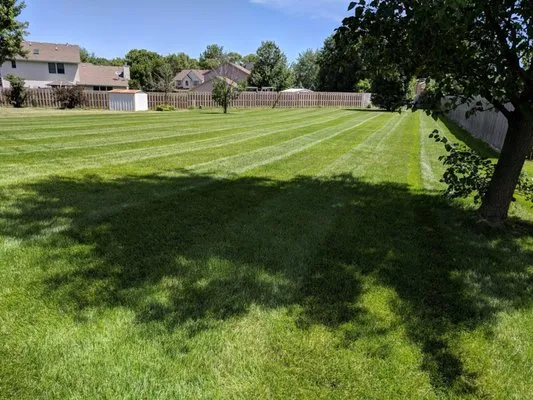
Urbina Lawn Care is a trusted lawn service provider in Davenport, IA, specializing in reliable and efficient lawn maintenance. We understand that local homeowners often face challenges with their irri...
Creative Landscaping & Lawn Care is a Davenport-based landscaping company dedicated to enhancing outdoor spaces while solving common local yard problems. We specialize in comprehensive lawn care and l...
Priority Lawn is a trusted, locally-owned landscaping company serving homeowners and businesses throughout Davenport, IA. We specialize in addressing the specific lawn challenges common to our region,...
QC GreenKing Lawn & Landscaping is a trusted local lawn care provider serving Davenport, IA, and the surrounding Quad Cities area. We specialize in comprehensive lawn care services designed to address...
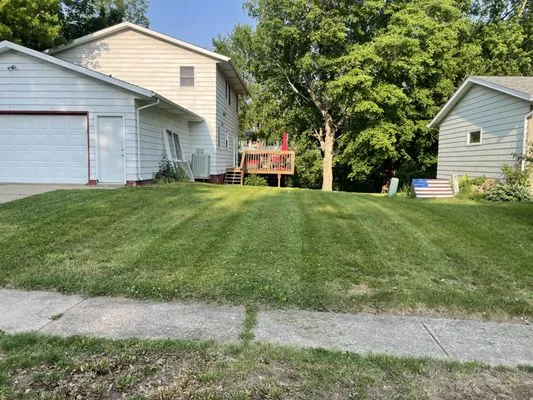
Natural Terrains is a trusted lawn and tree service provider serving Davenport, IA, and surrounding areas. We specialize in comprehensive lawn care and expert tree services, including tree cabling, di...
Clean Cut Landscaping is your trusted local partner for lawn care and masonry in Wilton, IA. We specialize in creating and maintaining healthy, beautiful outdoor spaces tailored to our region's specif...

J & M Property Maintenance is your trusted Davenport neighbor for comprehensive property care, specializing in landscaping, flooring, and tiling services. We understand the common local challenges hom...
R&J Lawn Care and Cleaning is a trusted, locally-owned lawn service provider in Muscatine, IA, dedicated to helping homeowners achieve and maintain a healthy, vibrant yard. We understand the specific ...
Everlasting Landscape is a family-owned and operated landscaping business with over 30 years of experience serving the Quad City area, including DeWitt, IA. We specialize in comprehensive outdoor solu...
Estimated Landscaping Service Costs in Buffalo, IA
Questions and Answers
What permits and licenses are needed for grading my 0.25-acre Buffalo property?
Significant grading on 0.25-acre lots requires Scott County Planning and Development approval for erosion control and drainage plans. Contractors must hold Iowa Department of Public Health pesticide applicator licensing if treating vegetation during the process. For projects moving more than 50 cubic yards of soil, additional permits ensure compliance with floodplain regulations in the Riverfront District. Always verify contractor credentials, as improper grading can create drainage issues affecting neighboring properties and violate county ordinances.
Are concrete pavers better than wood for Buffalo patios given fire safety concerns?
Concrete pavers and crushed limestone provide superior longevity with 25+ year lifespans versus wood's 10-15 years in Buffalo's freeze-thaw cycles. These non-combustible materials maintain defensible space consistent with the area's low fire-wise rating, eliminating ember ignition risks during dry periods. Properly installed with polymeric sand joints, they resist weed penetration while allowing some water permeability. Their thermal mass also moderates temperature extremes better than wood in both summer heat and winter cold.
How quickly can you respond to storm damage for HOA compliance in Buffalo?
Emergency cleanup crews dispatch from the Buffalo Community Center via US-61, reaching most Riverfront District properties within 20-30 minutes during peak conditions. Our electric fleet operates within the 7:00 AM to 9:00 PM noise ordinance window without gasoline engine restrictions. We prioritize safety assessments before debris removal, documenting conditions for insurance while ensuring compliance with Scott County's 72-hour cleanup requirements for fallen limbs and drainage obstructions.
What low-maintenance alternatives work for Buffalo yards with noise restrictions?
Transitioning 30-50% of turf to Purple Coneflower, Butterfly Milkweed, Little Bluestem, and Wild Bergamot reduces mowing frequency while supporting pollinators. These natives thrive in Zone 5b with minimal irrigation once established, eliminating weekly gas-powered maintenance. Electric equipment operates quietly within ordinance hours while reducing carbon emissions 80% compared to gasoline alternatives. The deep root systems of these plants also improve soil structure and drought resilience over time.
Why does my Buffalo Riverfront District lawn struggle with compaction and poor drainage?
Buffalo properties average 70 years of soil development since 1956 construction, creating dense silt loam layers with reduced permeability. This soil type naturally compacts over decades, restricting water movement and root growth. Core aeration every 2-3 years introduces oxygen channels while incorporating compost improves organic matter from the current 2-3% to optimal 5%. These amendments address the pH 6.5-7.2 range's tendency to form surface crusts during seasonal flooding events.
How do I control invasive species in Buffalo without violating fertilizer regulations?
For common invaders like creeping Charlie or garlic mustard, spot-treat with EPA-approved herbicides during active growth phases, avoiding phosphorus-containing products as required by local ordinance. Manual removal before seed set proves effective for smaller infestations. Improve soil health with mycorrhizae inoculants and organic amendments to strengthen desired plants' competitiveness. Always verify treatment timing doesn't conflict with Scott County's recommended application windows for turf and ornamental areas.
What irrigation system works best for Buffalo's Kentucky Bluegrass blend without wasting water?
Smart soil-moisture sensor controllers prevent overwatering by measuring actual root zone conditions rather than operating on fixed schedules. These systems maintain the Kentucky Bluegrass/Tall Fescue blend's 1-1.5 inch weekly ET requirement while reducing consumption 30-40% compared to traditional timers. During Buffalo's dry periods, the sensors trigger irrigation only when moisture drops below 50% field capacity, staying well within municipal conservation guidelines despite no formal restrictions.
How do I fix chronic flooding in my Buffalo yard with silt loam soil?
Silt loam's slow percolation rate (0.1-0.3 inches/hour) exacerbates Buffalo's seasonal saturation issues. Replace impermeable surfaces with crushed limestone or permeable concrete pavers that allow 3-5 inches/hour infiltration. Grade swales to direct water toward rain gardens planted with flood-tolerant natives, creating a system that meets Scott County Planning and Development's runoff reduction standards. For severe cases, French drains with clean gravel and filter fabric provide subsurface relief without disturbing established landscapes.
