Top Landscaping Services in Altoona, IA, 50009 | Compare & Call
There are 185 landscaping companies server in Altoona IA
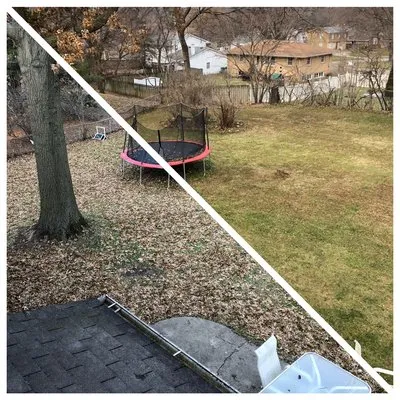
Iowa Lawn Pro is your dedicated lawn care partner serving the Des Moines metro. We provide a full range of reliable services to keep your property healthy and well-maintained throughout Iowa's distinc...
Peters Lawn & Landscaping
Peters Lawn & Landscaping is your trusted local expert in Pleasant Hill, IA, providing comprehensive lawn care, snow removal, and masonry/concrete services. We understand the unique challenges Pleasan...
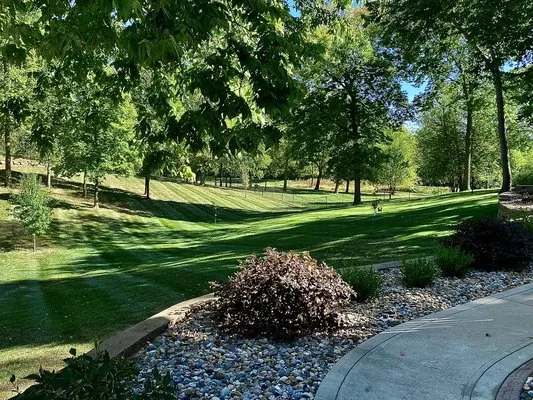
Parlee Lawn Care is a locally owned and operated lawn and tree care provider serving the Ankeny, IA community. We specialize in comprehensive lawn care and expert tree care services, designed to addre...

Jefferson Garcia leads Garcia's Lawncare And Landscape, a Des Moines-based service dedicated to providing reliable and affordable lawn care. As a growing local business, Jefferson is focused on buildi...

E & P Lawancare is a licensed landscaping service based in Des Moines, Iowa, specializing in tree removal, pruning, and snow removal. We offer a full range of services including land clearing, lawn ma...
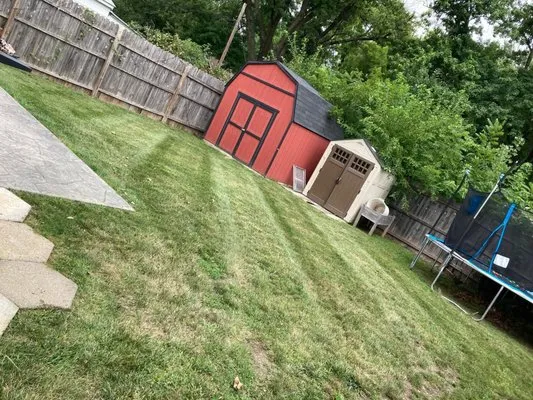
Super Short Mowing is a locally owned and operated lawn care business serving Des Moines, IA, and surrounding communities. We specialize in professional mowing services using commercial-grade equipmen...

DSM Snow Removal & Lawn Care is a Des Moines-based company providing reliable residential snow removal and lawn care services. We understand the unique challenges Des Moines homeowners face with seaso...
Diamond Lawn Care is your local, trusted partner for a healthier lawn in Des Moines, IA. We understand that common local issues like sprinkler coverage gaps and poor lawn grading can leave your grass ...
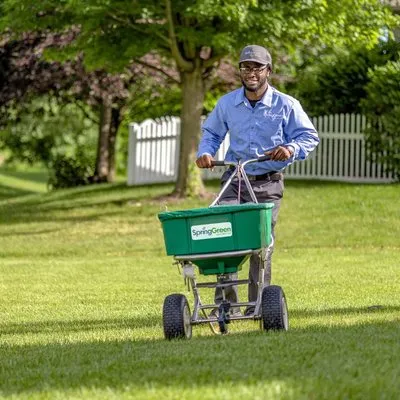
For over 45 years, SpringGreen has been the trusted local expert in Boone for comprehensive lawn, tree, and pest care. We understand the unique challenges of maintaining a healthy landscape in our com...
Premium Lawn Service is a trusted, full-service landscaping company serving Des Moines, IA, and surrounding areas. We specialize in comprehensive lawn care, reliable snow removal, and expert tree care...
Estimated Landscaping Service Costs in Altoona, IA
Q&A
Why does my Old Town Altoona lawn struggle despite regular care?
Altoona's Clarion-Nicollet-Webster loam soil, common in neighborhoods like Old Town Altoona, develops compaction issues over time. With average home construction around 1997, your soil has approximately 29 years of maturation, leading to reduced permeability and seasonal ponding. The pH range of 6.5-7.4 indicates adequate alkalinity, but high clay content requires annual core aeration and organic amendments like compost to improve soil structure and water infiltration.
How quickly can you respond to emergency storm damage in Old Town Altoona?
Emergency cleanup crews dispatch from Adventureland Park via I-80, reaching most Old Town Altoona properties within 20-30 minutes during peak response times. This routing avoids residential congestion while maintaining compliance with Altoona's 10:00 PM to 7:00 AM noise ordinance restrictions. For HOA compliance issues requiring immediate attention, electric maintenance equipment allows for extended work hours without violating local sound regulations.
What solutions exist for seasonal ponding in my Altoona yard?
High clay content in Clarion-Nicollet-Webster loam creates poor percolation, leading to seasonal ponding issues. Installing French drains with gravel beds improves subsurface drainage, while permeable concrete pavers or limestone hardscapes reduce surface runoff. These solutions meet Altoona Planning and Zoning Department standards for stormwater management while preventing soil erosion and foundation damage common in properties with 0.25-acre lots.
Are concrete pavers or wood better for Altoona patio installations?
Concrete pavers and limestone offer superior longevity in Altoona's climate, with 25-30 year lifespans compared to wood's 10-15 years. These materials maintain structural integrity through freeze-thaw cycles while providing non-combustible surfaces that support the community's Moderate Fire Wise rating. Proper installation creates defensible space around structures, and permeable options reduce runoff more effectively than treated lumber in areas with high clay content.
Can I maintain Kentucky Bluegrass and Tall Fescue with Altoona's voluntary water conservation?
Smart Wi-Fi ET-based weather sensing irrigation systems optimize water use by calculating evapotranspiration rates specific to Altoona's climate zone 5b. These systems adjust watering schedules based on real-time weather data, maintaining turf health while reducing consumption by 20-30% compared to traditional timers. This approach preserves your grass blend during dry periods while staying well within municipal water guidelines, even during voluntary conservation periods.
What invasive species threaten Altoona landscapes, and how should I treat them?
Japanese knotweed and garlic mustard present significant invasive risks in Altoona's zone 5b, outcompeting native species and degrading soil health. Manual removal before seed set proves most effective, followed by spot treatments with phosphorus-free herbicides that comply with local fertilizer ordinances. Timing applications outside blackout dates prevents runoff into waterways while preserving beneficial mycorrhizae in your soil ecosystem.
What permits and licenses are required for grading work on my Altoona property?
Grading projects on 0.25-acre lots require permits from the Altoona Planning and Zoning Department to ensure proper drainage and erosion control. Contractors must hold valid licenses through the Iowa Construction Contractors Board, while irrigation system installations need additional certification from the Iowa Department of Public Health. These requirements prevent soil destabilization and protect groundwater quality in neighborhoods with Clarion-Nicollet-Webster loam soils prone to compaction.
How can I reduce lawn maintenance while supporting local ecology?
Transitioning high-maintenance turf areas to native plantings like Purple Coneflower, Little Bluestem, Butterfly Milkweed, and Wild Bergamot creates drought-resistant landscapes that require minimal irrigation. These species support pollinator populations while eliminating weekly mowing from May through October. Electric maintenance equipment operates quietly within noise ordinance hours, and reduced turf areas decrease fuel consumption ahead of anticipated gas-blower restrictions.
