Top Landscaping Services in Algona, IA, 50511 | Compare & Call


Grass Masters is your trusted, full-service landscaping partner in Algona, IA. We specialize in everything from irrigation design and repair to comprehensive tree care and landscape construction. A co...
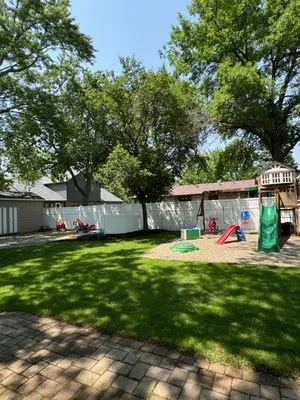
Ground Zero Seeding is your trusted local lawn care expert in Algona, IA, dedicated to helping homeowners maintain healthy, beautiful lawns despite common regional challenges. We specialize in compreh...
Garden's Gate in Algona, IA, is your local expert for nurseries, gardening, landscaping, and patio coverings. We specialize in solving common local landscaping challenges, particularly bare lawn patch...
M&S Lawncare & Landscaping is a locally owned and operated business serving the Algona, Iowa area. We specialize in comprehensive lawn and shrub care, including maintenance, planting, pruning, removal...

MGD Grandlands is your trusted local lawn care provider in Algona, IA. We understand the common landscaping challenges homeowners face, such as damaged landscape edging and persistent weed infestation...
Common Questions
We're adding a patio. Are local concrete pavers a better long-term choice than wood?
For longevity and minimal maintenance in our climate, locally sourced concrete pavers or limestone are superior to wood. They are impervious to rot, insect damage, and freeze-thaw heaving when installed with a proper compacted base. Their non-combustible nature also contributes to defensible space, a minor consideration given Algona's low Firewise rating but a benefit for overall safety. A paver installation, with its inherent permeability, offers decades of service with only occasional joint sand replenishment.
Our yard seems compacted and tired. How has 55+ years of Algona history affected our soil?
Homes built around 1970 in Central Algona sit on established Clarion-Nicollet-Webster loam. This soil type has good structure but, after decades of routine maintenance, often suffers from compaction and reduced biological activity. The mature 55-year-old landscape likely has a dense layer 4-6 inches down that restricts root growth and water percolation. Core aeration every 2-3 years, paired with top-dressing compost, is critical to reintroduce oxygen and organic matter, revitalizing the soil's native fertility and permeability.
Do we need a permit to regrade our yard or install a small retaining wall?
Yes. Significant regrading or any retaining wall over 24 inches tall typically requires a permit from the Algona City Planning & Zoning Department to ensure proper drainage and structural safety. On a 0.22-acre lot, earthmoving can impact neighboring properties and stormwater systems. Furthermore, the contractor performing this work must hold appropriate licensing through the Iowa Department of Agriculture and Land Stewardship, which certifies competency in erosion control and best management practices, protecting you from liability.
Is it wasteful to water a Kentucky Bluegrass lawn here, and how can we do it responsibly?
While Algona has no mandatory water restrictions, voluntary conservation is essential for resource stewardship. Kentucky Bluegrass requires consistent moisture, but smart Wi-Fi soil moisture sensors prevent overwatering by scheduling irrigation only when the root zone deficit reaches a specific threshold. This ET-based system applies water precisely during pre-dawn hours to minimize evaporation, maintaining turf health while keeping total usage well within responsible municipal limits.
We're tired of weekly mowing. What's a lower-maintenance, eco-friendly alternative?
Transitioning high-input turf areas to a native plant community is a forward-thinking solution. A designed mix of Purple Coneflower, Butterfly Milkweed, Little Bluestem, and Wild Bergamot establishes deep roots, eliminates frequent mowing, and provides superior habitat. This xeriscape approach drastically reduces water, fuel, and fertilizer needs. It also future-proofs your property against evolving noise ordinances that may restrict gas-powered blowers and mowers, aligning with 2026 biodiversity and sustainability benchmarks.
We have a last-minute HOA notice. How quickly can you respond for a compliance cleanup?
For urgent HOA compliance, our standard service response from the Algona Public Library area is 15-20 minutes via US-169. We maintain dedicated electric equipment fleets for quiet, early-morning operation within the 7 AM start of the city's noise ordinance. This allows for immediate debris removal, edging, and mowing to meet visual standards without violating community quiet hours, ensuring a swift resolution to compliance issues.
Why do certain low spots in our yard stay soggy for days after a rain?
This is a classic symptom of the seasonal high water table and poor infiltration in depressions common to our dense loam soils. Water simply cannot percolate down fast enough. The solution involves regrading to direct surface runoff away from foundations and integrating a French drain or dry creek bed. Using permeable local concrete pavers for any new patios or walkways also increases surface absorption, helping meet City Planning & Zoning standards for onsite stormwater management.
What invasive species should we watch for, and how do we manage them correctly?
In Algona's Zone 4b, aggressive perennials like creeping bellflower and common buckthorn are primary concerns. Correct identification is key, as treatment timing and method vary. Manual removal is effective for small infestations, while targeted, systemic herbicide applied in late fall can control larger stands. All treatments must follow Iowa Department of Agriculture nutrient management guidelines, avoiding blackout dates for fertilizer and pesticide applications to protect local watersheds.
