Top Landscaping Services in Waipio Acres, HI, 96789 | Compare & Call
There are 178 landscaping companies server in Waipio Acres HI
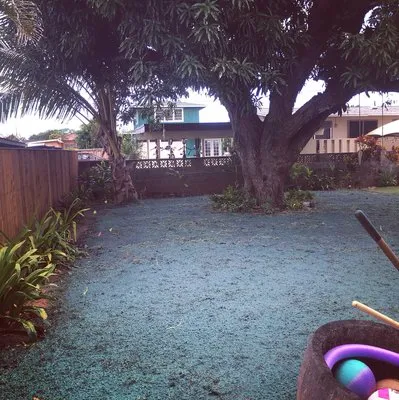
Island Hydroseed is a locally owned and operated business based in Waimanalo, Hawaii, at the foot of the Koolau Mountain Range. With over 25 years of combined experience in specialized lawn services, ...
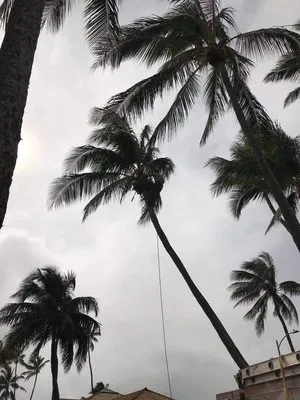
A&A Tree & Landscaping Services is a trusted, full-service contractor in Waipahu, HI. We specialize in transforming and maintaining outdoor spaces, offering everything from comprehensive tree care and...

Turfgrass Hawaii, based in Waianae, HI, is a locally owned and operated landscaping business specializing in premium sod solutions. Founded in 1977, we are Hawaii's only Hawaiian and Veteran-owned sod...
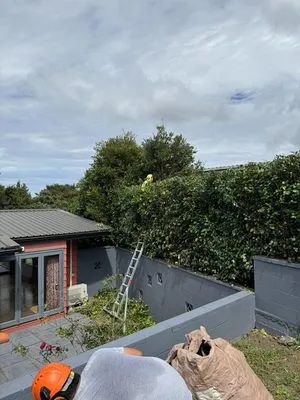
City Green Care is your trusted local partner for comprehensive tree services and landscaping in Ewa Beach, HI. We specialize in transforming and maintaining outdoor spaces with services ranging from ...
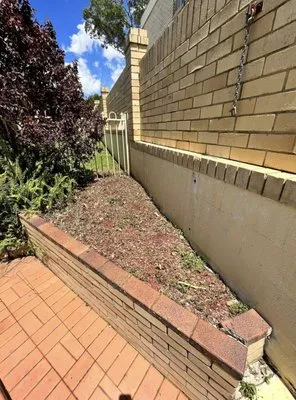
Karen leads Palolo Lawn Care with a deep, practical understanding of Honolulu's unique lawns. Her journey began over a decade ago as a hands-on Landscape Specialist in Hawaii, giving her firsthand exp...
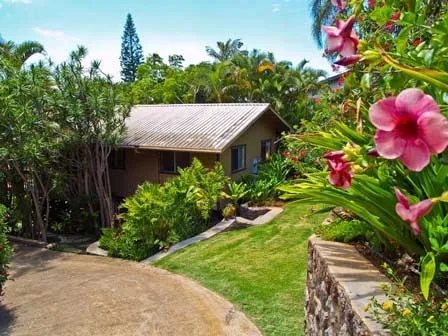
Professional Landscape Management
Professional Landscape Management, founded by Willis Sanchez, is a locally owned and operated business dedicated to serving Mililani's outdoor spaces. Willis started with a single truck and a hands-on...
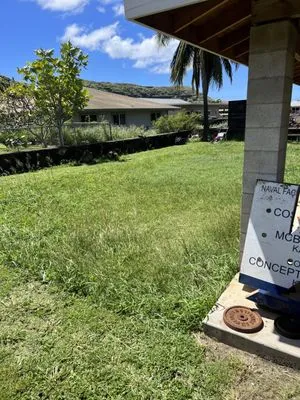
Austin's Lawn Services provides dedicated lawn care for Waianae homeowners. We understand the unique challenges of island landscaping, including aggressive tropical weed overgrowth and the inefficienc...
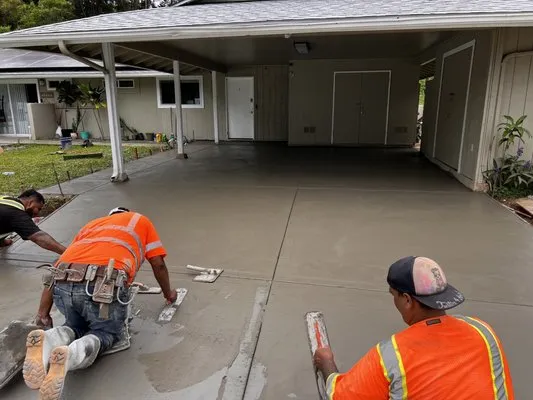
Maika'i Masonry Contractor is a family-owned business in Mililani, HI, with deep roots in the community. As third-generation masons, they bring over 50 years of combined experience to every project, s...
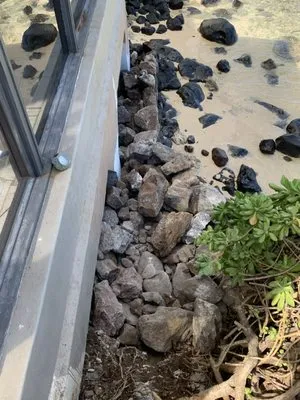
Takai Masonry Contractor is a trusted local masonry and landscaping business serving Mililani, HI, and surrounding areas. With expertise in both installation and repair, we handle projects ranging fro...
Mark's Zone is a licensed, full-service contractor based in Waipahu, dedicated to enhancing and maintaining your outdoor living space. We specialize in a seamless blend of landscaping and concrete wor...
Estimated Landscaping Service Costs in Waipio Acres, HI
Frequently Asked Questions
How do I treat invasive species without violating fertilizer ordinances near waterways?
Targeted glyphosate applications for Guinea grass and strawberry guava avoid nitrogen/phosphorus runoff into Waipio Acres' drainage channels. Apply during April-October dry periods when soil moisture is below 60% capacity, respecting Honolulu's blackout dates near storm drains. Manual removal of wedelia and honohono grass prevents spread while maintaining soil mycorrhizae networks. Always verify DCCA-licensed applicators handle treatments within 50 feet of water features.
What permits and licenses are needed for grading work on my Waipio Acres property?
Honolulu DPP requires grading permits for any cut/fill exceeding 50 cubic yards on 0.22-acre lots. Contractors must hold DCCA C-27 landscaping licenses with erosion control endorsements. Projects altering drainage patterns need additional engineering review if within 100 feet of natural waterways. Unlicensed grading risks $10,000 fines and mandatory restoration orders, as volcanic soils require specialized compaction testing.
Should I replace high-maintenance turf with native plants in Waipio Acres?
Transitioning to Koki'o 'ula, 'Ilima, and Kou reduces mowing frequency from 52 to 4 annual events, aligning with 2026 electric equipment mandates. Native naupaka and uluhe fern communities require 80% less irrigation than turf, conserving 15,000 gallons yearly on 0.22-acre lots. These plantings create pollinator corridors while eliminating gas blower use during restricted hours. Biodiversity increases provide natural pest control without chemical intervention.
Can I maintain healthy turf while following Honolulu's voluntary water conservation?
Smart ET-based controllers reduce Seashore Paspalum irrigation by 30-40% while preserving turf health. These systems calculate evapotranspiration rates specific to Waipio Acres' microclimate, applying 0.75-1.0 inches weekly during dry periods. Bluetooth programming allows adjustment for Stage 1 conservation, ensuring compliance without compromising root zone moisture. Proper scheduling prevents runoff on our Oxisol soils.
What solutions work for chronic runoff problems in Waipio Acres yards?
Permeable basalt pavers installed with 4-inch gravel bases achieve 8-12 inches per hour infiltration rates, addressing volcanic clay saturation. These systems meet Honolulu DPP runoff standards by capturing 90% of first-flush rainfall. French drains lined with geotextile fabric provide secondary protection during 2-inch storm events. Proper grading directs water away from foundations while maintaining soil structure.
Are basalt pavers better than wood decking for Waipio Acres' climate and fire risk?
Permeable basalt pavers provide 40+ year longevity versus wood's 15-year lifespan in our humid climate. Their non-combustible nature supports WUI Zone 2 defensible space requirements, unlike treated lumber that contributes to fire load. Basalt's thermal mass reduces heat island effect by 8-10°F compared to composite materials. Proper installation creates 5-foot fuel breaks around structures while managing runoff through natural joints.
How quickly can you respond to storm damage for HOA compliance in Waipio Acres?
Emergency cleanup crews dispatch from Mililani Mauka Park via H-2, arriving within 20-30 minutes during peak response windows. Our electric fleet operates within Honolulu's 7 AM-6 PM gas equipment ordinance, allowing immediate debris removal without noise violations. We prioritize fallen naupaka and uluhe fern restoration to maintain neighborhood aesthetic standards year-round.
Why does my Waipio Acres yard have such poor drainage and compacted soil?
Waipio Acres homes built around 1974 have 52-year-old landscapes where soil structure has degraded. Highly weathered Oxisols with pH 5.5-6.5 naturally compact over decades, reducing permeability to less than 0.5 inches per hour. These volcanic clay soils require annual core aeration and 2-3 inches of organic compost to restore pore space. Without amendment, water pools during saturation events common in our microclimate.
