Top Landscaping Services in Volcano, HI, 96785 | Compare & Call

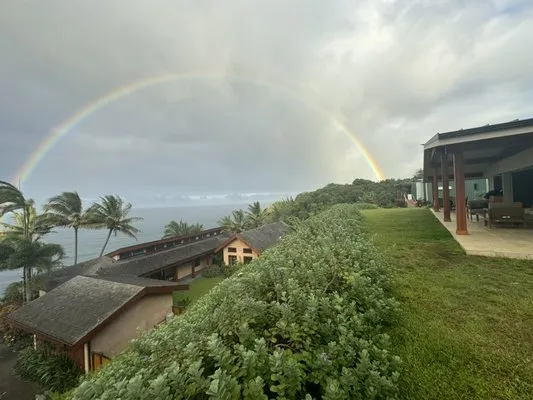
Jay & a yard service is a local landscaping business serving Volcano, HI, dedicated to helping homeowners maintain their properties in this unique environment. We specialize in addressing common local...
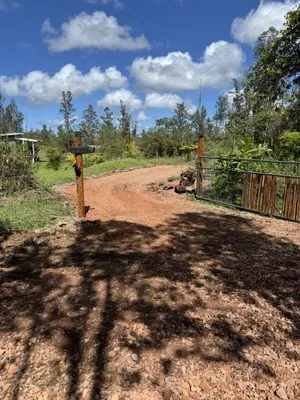
Big Island Earthmovers is a trusted excavation and landscaping contractor serving the Volcano, HI community. We specialize in professional excavation and trench digging services essential for addressi...
Q&A
My 1999 home's lawn looks thin and struggles to hold moisture. Is the soil in Volcano Village just bad?
Properties built around 1999 in Volcano Village sit on young volcanic Andisols, approximately 27 years old in soil development terms. These soils have high permeability but can become hydrophobic, repelling water despite rapid infiltration. Core aeration combined with incorporating composted organic matter is critical to improve water retention and support microbial life, directly addressing the common issue of thin turf in this area.
Water seems to vanish into the ground instantly during heavy rain. Is this a drainage problem I need to fix?
The rapid infiltration is a characteristic of volcanic ash soils, not necessarily a fault. However, managing surface runoff is key. Using permeable basalt lava rock for pathways and dry creek beds meets Hawaii County Planning Department standards by slowing flow, filtering sediments, and preventing erosion while working with the soil's natural high permeability.
Should I use wood or lava rock for a new patio, considering the damp climate and fire risk here?
Basalt lava rock is the superior choice for longevity and compliance with Fire Wise standards. It does not rot, provides non-combustible defensible space, and integrates visually with the local environment. Wood requires constant treatment against mold and decay in Volcano's humid climate and presents a higher fuel load in this designated high-risk zone.
I want to regrade part of my 0.75-acre lot. What do I need to know about permits and hiring a contractor?
Any significant grading or earthwork on a lot of this size in Hawaii County requires a permit from the Planning Department. You must hire a contractor licensed by the Hawaii Contractors License Board (C license for landscaping). This ensures they understand the specific rules governing volcanic soil stability, drainage, and runoff management to prevent off-site environmental damage.
We rely on rainwater catchment. How do I keep my St. Augustine grass green without tapping the county water system?
Gravity-fed catchment systems are standard here. Success depends on cistern capacity, filtration to prevent emitter clogs, and an ET-based irrigation schedule that aligns with local evapotranspiration rates. Drip irrigation or low-volume spray heads for turf maximize the efficiency of captured rainfall, preserving your stored water through Hawaii's typical dry periods.
A storm knocked down branches blocking my driveway. How fast can a crew get here for an emergency cleanup?
A crew dispatched from the Hawaiʻi Volcanoes National Park Entrance area can typically reach most Volcano Village locations via Hawaii Belt Road (Route 11) within 45 to 60 minutes, accounting for peak storm response traffic and debris clearance. We prioritize emergency calls to secure access and mitigate further property damage, coordinating with county road crews when necessary.
Clumps of invasive grass are taking over my native plantings. What's the safest way to remove them?
Targeted manual removal or careful spot-treatment with approved herbicides during dry periods is effective. It is crucial to avoid broadcast fertilization and adhere to statewide restrictions on nitrogen and phosphorus application near sensitive watersheds. Preventing seed set is the priority, as disturbed volcanic soils are highly susceptible to new invasions.
I'm tired of the constant mowing and gas blower noise. Are there lower-maintenance, native alternatives to this lawn?
Replacing high-maintenance turf with a native assemblage of ʻŌhiʻa lehua, Hāpuʻu fern, and Pūkiawe eliminates weekly mowing and reduces reliance on gas-powered equipment, aligning with evolving noise ordinance considerations. This xeriscape approach builds biodiversity, supports pollinators, and establishes a fire-resilient landscape appropriate for the Wildland-Urban Interface zone.
