Top Landscaping Services in Pupukea, HI, 96712 | Compare & Call
There are 130 landscaping companies server in Pupukea HI
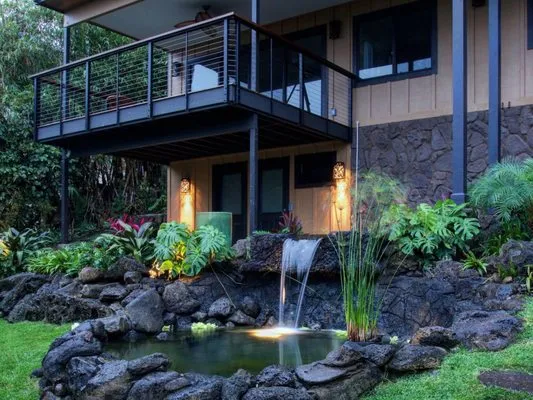
Personal Touch Landscape
Personal Touch Landscape is a family-owned and operated landscaping company that has been serving Honolulu and Oahu since 1979. Founded by Bob and Sandy, the business began by tending to neighborhood ...
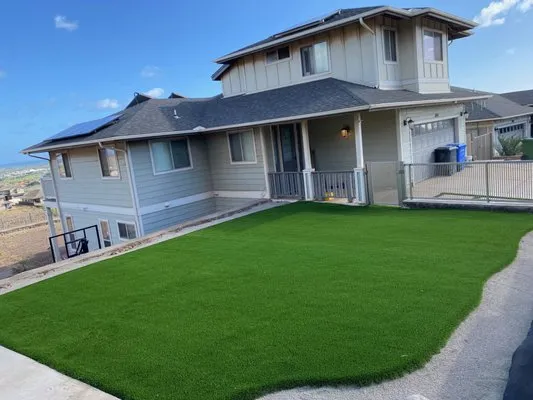
NyLawn Synthetic Turf is a Honolulu-based licensed landscape contractor specializing in artificial turf solutions for Hawaii's unique environment. Founded by Rory, who personally researched and tested...
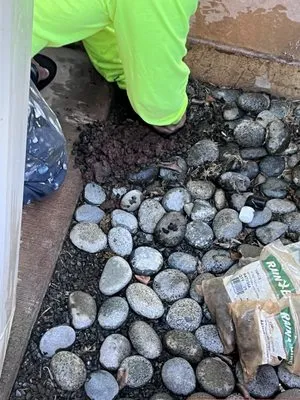
SJM Landscaping is a trusted, full-service provider serving homeowners and businesses in Waipahu, HI. We handle everything from routine yard maintenance and tree trimming to complex construction proje...
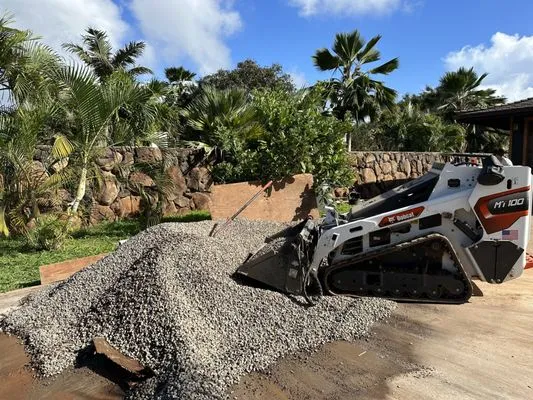
At The Friendly Bobcat, we bring powerful, precise earthmoving solutions to Urban Honolulu's unique landscapes. Our core tool is the MT100, a versatile 36"" wide compact loader designed to navigate ti...
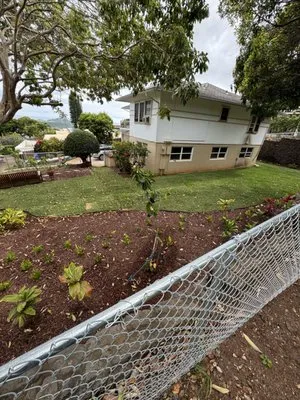
Greenside Landscaping brings comprehensive landscaping expertise to homes and businesses across Urban Honolulu. We provide a full range of services, from garden design and installation to essential ma...
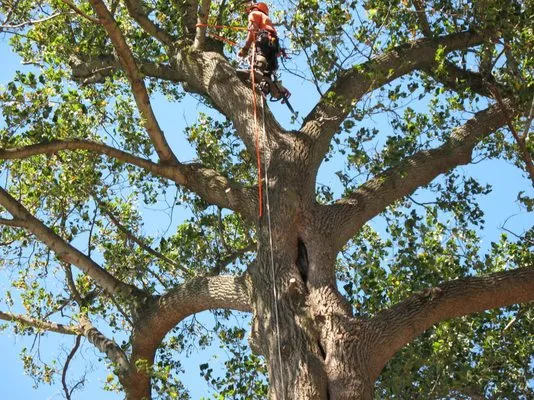
The Tree People is a locally owned and operated, ISA-certified arborist service serving Honolulu and the wider Oahu community since 2009. We specialize in the health and care of your landscape, offeri...
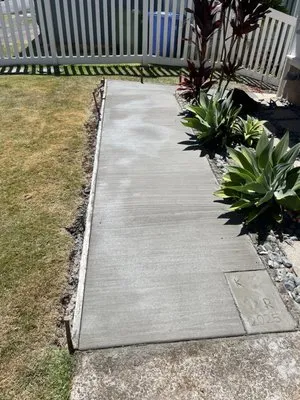
Rock Steady Masonry is a veteran-owned and operated business that has been a trusted name in Waipahu and across Hawai'i for over a decade. Owner Viniseni Haunga brings more than 25 years of comprehens...
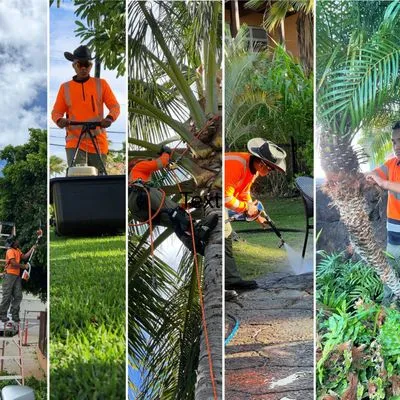
Gelacio’s is a family-owned landscaping service based in Honolulu, established in 2020. We provide quality lawn care, pressure washing, and comprehensive irrigation services for Oahu homeowners. Our t...
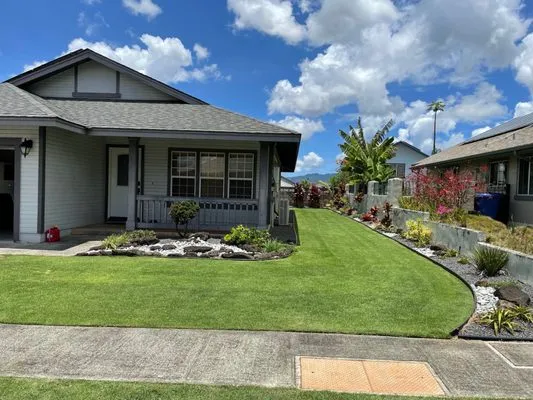
Takenaka Landscaping Company
Drawing inspiration from Hawaii's natural beauty, Takenaka Landscaping has been transforming Kunia yards into personal retreats since 1990. Our process begins with a thoughtful, custom design from our...
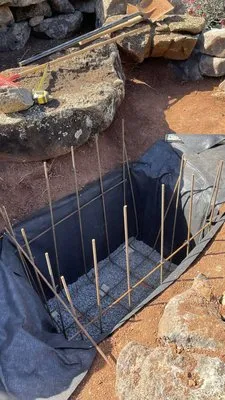
Aloha! I'm Dean Seto, owner of Hawai'i Koi & Ponds, born and raised right here in Honolulu. For over a decade, I've been dedicated to bringing tranquillity to our island homes through the art of koi k...
Estimated Landscaping Service Costs in Pupukea, HI
Question Answers
What invasive plants should we watch for, and how do we remove them safely?
High-alert invasives in this area include Guinea grass, Strawberry guava, and Miconia. Manual removal for seedlings and cut-stump treatment with approved herbicides for larger specimens are standard. Any treatment plan must comply with statewide nitrogen and phosphorus runoff mitigation guidelines, avoiding application before forecasted rain to protect watersheds. Consistent monitoring and replacing invasives with natives prevents reinfestation.
We want to reduce mowing and gas equipment noise. What are our options?
Replacing high-maintenance turf with a native groundcover palette is the most effective long-term strategy. Species like Pili Grass, ʻIlima, and Naupaka Kahakai are adapted to Zone 12b, require minimal water once established, and need no regular mowing. This transition future-proofs your landscape against tightening noise ordinances and the industry shift to electric equipment, while providing superior habitat value.
How can we keep our Seashore Paspalum green during voluntary water conservation?
Stage 1 conservation emphasizes efficiency, which aligns with modern smart irrigation. A Wi-Fi ET-based drip system is the solution. It automatically adjusts watering schedules based on real-time evapotranspiration data from local weather stations, applying water directly to the root zone. This method can reduce usage by up to 30% compared to traditional sprinklers, keeping turf healthy within municipal guidelines while preventing waste from runoff.
Our yard seems to compact and drain poorly. Is this typical for older homes in Pupukea Heights?
Yes, this is a common condition. Homes here average 52 years of age, and the underlying Oxisol clay soil has matured since construction, becoming dense and reducing permeability. Decades of foot traffic and rain on slopes accelerate this compaction. Core aeration is essential to break up the pan, followed by incorporating compost to improve soil structure and water infiltration for healthier roots.
If we have a major storm blowdown, how quickly can a crew respond for emergency cleanup?
For an HOA compliance or safety issue, our standard emergency dispatch targets arrival within the service window. A crew mobilized from the Sunset Beach Neighborhood Park area would route via Kamehameha Highway (Hwy 83). During peak post-storm conditions, travel to Pupukea can extend to 45-60 minutes from Honolulu, so we prioritize local resources and staged equipment for faster initial response.
What permits and licenses are needed to regrade our half-acre lot?
Significant earthwork on a 0.50-acre lot triggers grading and grubbing permits from the City and County of Honolulu Department of Planning and Permitting. The contractor must hold a C-27 Landscaping license or a related specialty license from the Hawaii DCCA Contractors License Board. This ensures they carry proper bonding and insurance, and understand engineered solutions for slope stability and erosion control, which are legally required for projects of this scale.
Our sloped property has severe runoff and erosion. What's the best way to manage it?
High slopes with Oxisol clay are prone to rapid runoff. The strategy combines grading, soil amendment, and permeable hardscaping. Creating terraced swales lined with native plants slows water velocity. Using locally sourced basaltic lava rock for retaining walls and dry creek beds adds permeability, which helps meet City and County of Honolulu runoff standards by allowing water to infiltrate rather than sheeting off the property.
Is lava rock or wood better for building garden walls and patios here?
Basaltic lava rock is vastly superior for durability and fire resilience. In this Extreme Fire Wise rated zone, non-combustible materials are critical for creating defensible space. Lava rock withstands termites, rot, and heavy rain indefinitely, whereas wood requires constant treatment and replacement. Its natural thermal mass also helps regulate soil temperature, benefiting adjacent plantings.
