Top Landscaping Services in Pukalani, HI, 96768 | Compare & Call

Ha'aheo Landscaping is a Pukalani-based landscaping and irrigation company founded by Nic, whose passion for growth and attention to detail drive the business. Starting with just a few yards and basic...

Kiv3 Landscaping is a trusted local landscaping company serving Pukalani, HI. We specialize in addressing common local lawn issues like bare patches and soil compaction that can result from Maui's cli...
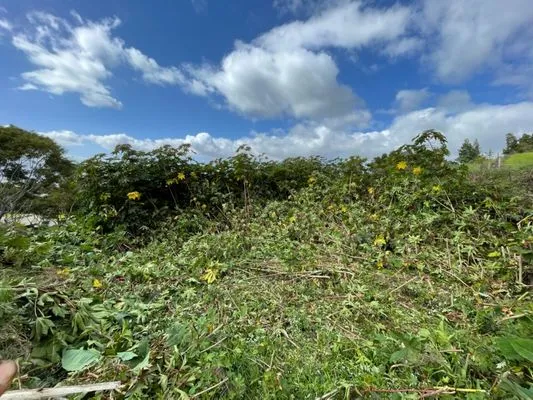
Cutting Edge Landscaping & Tree Trimming
Cutting Edge Landscaping & Tree Trimming serves Pukalani homeowners by tackling common local landscaping challenges head-on. We understand that Upcountry Maui properties often face issues like shiftin...
Question Answers
Will my St. Augustine grass survive Stage 1 water restrictions?
Smart ET-based controllers with soil moisture sensors maintain turf health within voluntary conservation limits by calculating actual evapotranspiration rates. These systems adjust irrigation schedules daily based on microclimate data, applying water only when soil moisture drops below optimal levels for St. Augustine or Seashore Paspalum. This precision reduces water use 20-40% compared to traditional timers while preventing the rapid leaching common in Pukalani's permeable volcanic soils. Municipal water budgets remain achievable through this technology-driven approach.
What permits and licenses are needed for regrading my yard?
Grading work on 0.25-acre Pukalani lots requires a County of Maui Department of Planning permit for any cut/fill exceeding 12 inches depth or 50 cubic yards volume. Contractors must hold Hawaii Contractors License Board C-27 landscaping classification for earthmoving operations. Unlicensed grading risks fines up to $5,000 plus restoration costs, as volcanic soils require specialized handling to prevent erosion and nutrient loss. Professional licensing ensures compliance with Maui's steep slope and drainage regulations.
What alternatives exist for reducing lawn maintenance costs?
Transitioning sections of high-maintenance turf to native plantings like Koa, 'Ohi'a Lehua, or 'Ilima reduces water needs by 60-80% while supporting local biodiversity. These deep-rooted natives require no gas-powered equipment, aligning with evolving noise ordinances restricting combustion engines. Xeriscaping with Ma'o and Kou creates fire-resistant buffers important in Moderate WUI zones. This approach future-proofs landscapes against potential water restrictions and maintenance fleet electrification mandates.
Why does my Pukalani lawn have patchy growth despite regular watering?
Pukalani Proper lots developed around 1988 have approximately 38 years of soil maturation in volcanic Andic Dystrandepts. This acidic soil type (pH 5.5-6.5) naturally compacts over decades, reducing oxygen availability to root zones. Core aeration every 2-3 years combined with organic amendments like composted green waste improves soil structure and nutrient retention. Without these interventions, turfgrass roots cannot access sufficient moisture between irrigation cycles.
Should I choose basalt or wood for new garden borders?
Basalt lava rock offers superior longevity in Pukalani's humid climate, resisting termites and decay that compromise wooden structures within 5-7 years. This volcanic material maintains permeability for drainage while providing permanent definition to planting beds. For properties in Moderate Fire Wise zones, non-combustible basalt creates defensible space without contributing fuel loads. The initial investment returns value through decades of maintenance-free performance compared to wood's recurring replacement costs.
How do I control invasive species without harming native plants?
Targeted manual removal of invasive species like fountain grass or strawberry guava precedes any chemical treatment to minimize herbicide use. Maui County Code Chapter 20.30 prohibits fertilizer application during designated blackout periods to protect watersheds, so timing is critical. Organic pre-emergents applied during late spring mulching season prevent seed germination without violating nutrient management guidelines. Regular monitoring catches new invasions before they establish in Pukalani's favorable growing climate.
My yard floods briefly then dries completely - what's happening?
High permeability volcanic soils in Pukalani create rapid leaching where water moves quickly through the profile rather than pooling. This drainage hazard washes away nutrients before plants can absorb them. Installing permeable basalt lava rock borders or concrete pavers creates controlled infiltration zones that slow water movement. The County of Maui Department of Planning requires these solutions for new hardscapes to meet runoff standards while maintaining soil moisture for plant health.
How quickly can you respond to storm damage for HOA compliance?
Emergency cleanup crews dispatch from the Pukalani Community Center via Hwy 37 (Kula Highway) with a 45-60 minute arrival window during peak conditions from Wailuku. This routing prioritizes access to Pukalani Proper while accounting for Maui's variable weather patterns. Teams carry electric chainsaws and battery-powered blowers to comply with 7:00 AM - 6:00 PM noise ordinances while clearing debris. Documentation for HOA compliance includes timestamped before/after photos and debris volume estimates.
