Top Landscaping Services in Makakilo, HI, 96707 | Compare & Call
There are 53 landscaping companies server in Makakilo HI
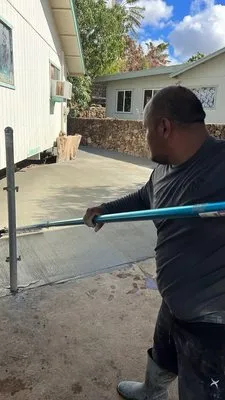
A&K Masonry is a trusted Waianae-based contractor specializing in masonry, concrete, and landscaping services. We help local homeowners address common issues like landscape edging damage and mulch was...
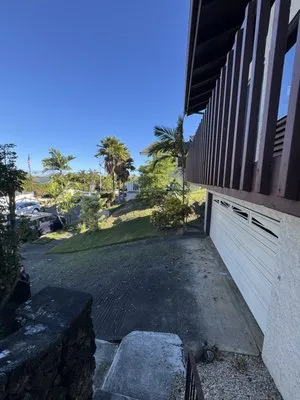
ZayKai Landscape is a dedicated landscaping service based in Urban Honolulu, HI, focused on enhancing and maintaining the beauty of local outdoor spaces. We approach every project with a personal comm...
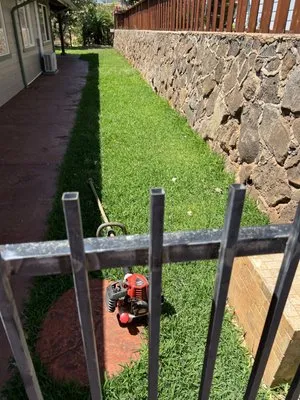
Armas Yard Services is a trusted lawn care provider serving the Ewa Beach, HI community. We specialize in addressing the unique landscaping challenges faced by local homeowners, particularly salt-dama...
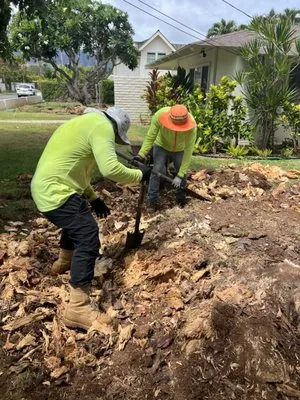
Rayloise Landscaping is a family-founded business with deep roots in Honolulu. Owner Rayloise started learning the trade at age 18, working alongside his father, who owned a local landscaping company....
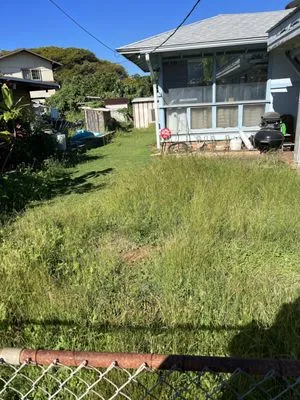
JBR Landscaping & Yard Services is a Honolulu-based company founded by someone who learned the trade from family members doing residential yard work. This hands-on experience fostered a genuine passio...
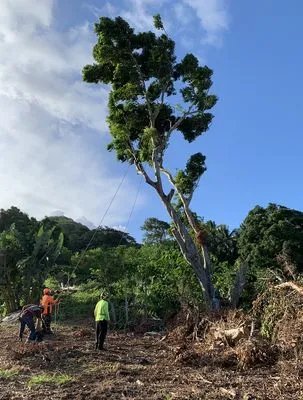
Sunshine Landscape, serving Kaneohe since 1990, is led by Mark Leon, a licensed landscape contractor and certified arborist with a uniquely comprehensive set of seven industry credentials. With over t...
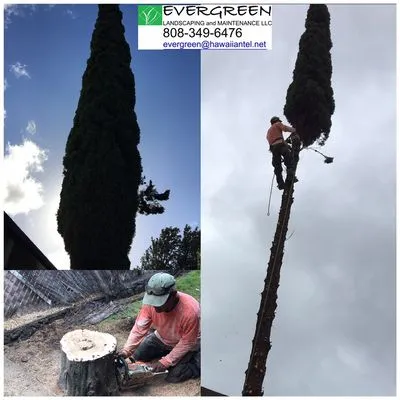
Evergreen Landscaping and Maintenance has been a trusted provider of comprehensive outdoor care services in Honolulu since 1997. With decades of experience serving residential areas and management com...
Hawaii Fix Pros is a Honolulu-based company specializing in landscaping, home cleaning, and handyman services. Our team of skilled professionals provides reliable solutions for homeowners across the i...
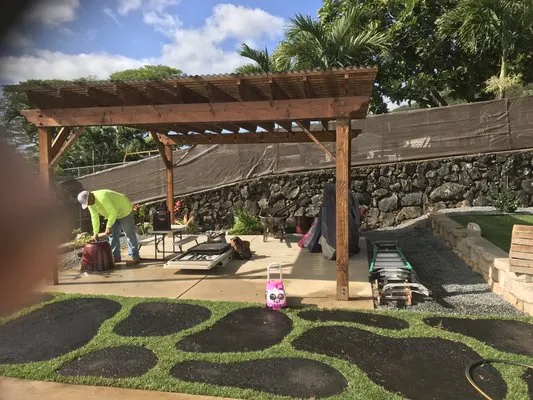
Superior Landscaping And Masonry is a Wahiawa-based contractor specializing in comprehensive landscaping and masonry solutions for local homeowners. We address common local issues like rock garden shi...
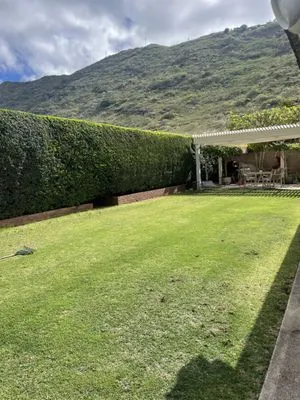
Medina Yard Service is a Honolulu-based landscaping company founded and operated by owner Leo, who brings reliability and dedication to every project. With a positive attitude and proven skill in buil...
Estimated Landscaping Service Costs in Makakilo, HI
Questions and Answers
What permits and licenses are needed to regrade my backyard?
Regrading a 0.15-acre lot typically requires a grading permit from the City and County of Honolulu Department of Planning and Permitting, especially with slope alteration. The contractor must hold a C-27 or C-10 license from the Hawaii Contractors License Board. This ensures they carry the proper insurance and understand soil engineering principles to prevent erosion or drainage issues onto neighboring properties, which is a common liability.
My sloped yard is washing away during heavy rain. What's the solution?
Erosion on slopes is a critical hazard with Makakilo's Oxisols, which have low aggregate stability. The solution integrates terracing with native groundcovers like Naupaka Kahakai for root stabilization and installing permeable basalt paver pathways. These pavers allow rainwater to infiltrate onsite, reducing runoff velocity and volume. This approach often meets the City and County of Honolulu's stormwater management standards for new hardscape.
I have an HOA violation notice for overgrowth. How fast can you get here?
For urgent HOA compliance, our dispatch from the Makakilo Community Park base prioritizes your zone. The route via the H-1 Freeway allows a standard response window of 45 to 60 minutes during peak traffic. We coordinate arrival within permissible noise ordinance hours (7:00 AM - 6:00 PM) using electric equipment for immediate, quiet cleanup to meet your deadline.
Are permeable basalt pavers a good choice for a patio compared to wood?
Permeable basalt pavers are superior for longevity and fire safety in Makakilo's High Fire Wise rating zone. Unlike wood, which degrades in humid climates and provides combustible fuel, basalt is inert, durable, and maintains permeability to manage runoff. Its use supports defensible space requirements by creating a stable, non-flammable zone around structures, a critical consideration in this Wildland-Urban Interface.
I'm tired of constant mowing and blowing. Are there lower-maintenance options?
Transitioning to a native plant palette directly reduces maintenance cycles. Species like ʻIlima, Koʻoloa ʻula, and Kokiʻo ʻula are adapted to the local climate and soil, requiring no supplemental watering once established and minimal trimming. This shift preempts tightening noise ordinances by eliminating weekly gas-blower use and aligns with 2026 biodiversity goals for urban landscapes in Wildland-Urban Interface zones.
How do I keep my grass green during voluntary water conservation?
Voluntary conservation stages require precision. A smart wireless ET-based irrigation controller is essential; it adjusts schedules daily based on local evapotranspiration data, preventing overwatering. For Seashore Paspalum or St. Augustine turf, this system delivers deep, infrequent watering at dawn to minimize evaporation. This method maintains turf health while staying well within municipal water use expectations, effectively making conservation automatic.
What are the biggest threats to my landscape's health here?
Invasive species like Guinea grass and fountain grass pose the highest alert, outcompeting natives and increasing fire fuel loads. Treatment requires targeted mechanical removal or approved herbicide applications timed outside any local fertilizer ordinance blackout periods to prevent nutrient runoff. Promoting dense native cover is the primary defense, as these species resist invasion and support the local ecosystem.
My lawn has never looked great. Is it the soil?
Makakilo Heights properties, typically developed in the late 1980s, sit on nearly 40-year-old landscaping fill. The underlying highly weathered Oxisol is acidic and prone to compaction, forming a dense layer that restricts root growth and water percolation. This explains chronic thin turf and poor nutrient uptake. Annual core aeration and incorporating organic compost are non-negotiable to rebuild soil structure and buffer the natural pH of 5.5-6.5 for healthy plant growth.
