Top Landscaping Services in Kula, HI, 96768 | Compare & Call

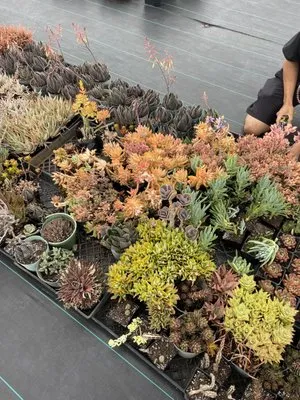
3rd Day Nursery is a dedicated wholesale nursery in Kula, Maui, specializing in sustainable, low-water landscaping. We grow over 30,000 plants, including more than 200 varieties of colorful succulents...
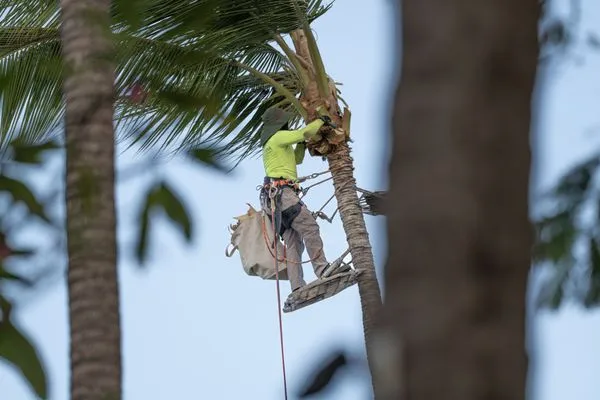
Coconut Kuleana was founded in Kula in 2012 by a team with deep roots on Maui, driven by a genuine kuleana (responsibility) for the island's land and its iconic coconut palms. For over 13 years, we've...
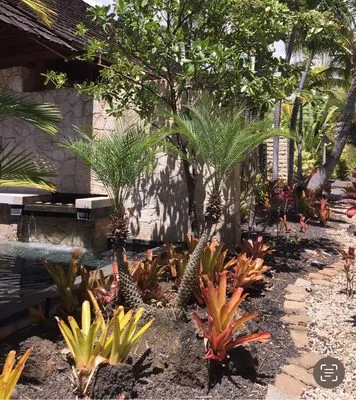
Be Easy Landscaping provides professional and sustainable landscaping services to Kula, Maui, and the surrounding Upcountry region. As a fully electric, owner-operated company, we rely on quiet, zero-...
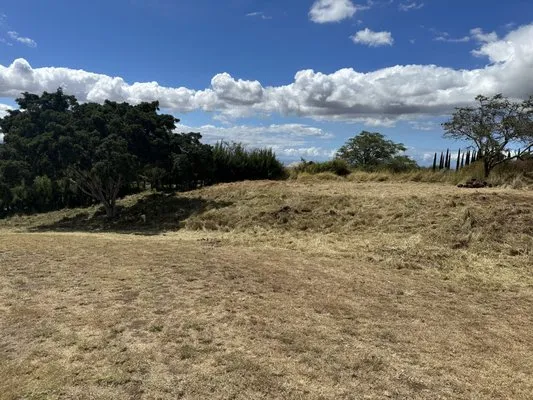
K&M Home Services is a locally owned and operated business dedicated to helping Kula residents manage their properties. We provide essential services to keep your land in shape, from routine lawn care...

Kula Garden Design is your trusted local partner for creating and maintaining beautiful, resilient outdoor spaces in Upcountry Maui. We specialize in comprehensive landscaping, irrigation, and plant c...
Axis Landscaping is a dedicated local landscaping company serving the unique needs of Kula, HI. Understanding the specific challenges of Upcountry Maui, we specialize in addressing common issues like ...
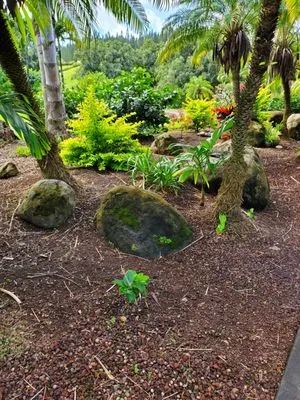
Francisco Colmenero Landscaping provides comprehensive gardening, landscape maintenance, and tree care services for residents in Kula, HI. We specialize in addressing common local challenges like tree...

For over 25 years, Grassmaster has been a trusted, family-run farm on the slopes of Haleakala in Kula. We are dedicated to cultivating and providing Maui residents with the highest quality sod and sto...
Maui Regenerative Systems in Kula, HI, is a landscaping company dedicated to restoring and maintaining healthy landscapes through regenerative practices. We specialize in addressing common local issue...
Javo Enterprises is a Kula-based landscaping and irrigation company founded by Jimmy Vorhies, who brings deep local expertise to every project. With an Associate in Science in Agricultural Careers foc...
Q&A
How can I keep my St. Augustine grass alive during the voluntary water conservation stage?
Stage 1 voluntary conservation in Maui County necessitates precision watering. Smart Bluetooth-enabled drip or micro-spray controllers allow for ET-based scheduling, applying water only during optimal early morning hours to minimize evaporation. This technology, paired with soil moisture sensors, can maintain turf health while reducing potable water use by up to 30% compared to traditional timer systems, keeping you well within recommended municipal limits.
A storm knocked down branches across my driveway. How quickly can a crew arrive for an emergency cleanup?
For an emergency HOA compliance or access issue in Kula, a dispatched crew would route from the Kula Lodge vicinity onto Hwy 37 (Kula Highway). Accounting for peak traffic and weather conditions on the winding upland roads, standard travel time to most properties is 45-60 minutes. We prioritize these calls with electric-charged equipment to operate within the 7:00 AM to 6:00 PM noise ordinance window upon arrival.
I'm tired of constant mowing and gas blower noise. Is there a quieter, lower-maintenance alternative to this grass?
Transitioning high-maintenance turf to a landscape of native plants like Pukiawe, Naupaka, and Ohia Lehua directly addresses both concerns. This xeriscape approach eliminates weekly mowing and blower use, aligning with evolving noise ordinances targeting gas equipment. These adapted species require minimal water, no synthetic fertilizers, and provide critical habitat, future-proofing your property against tighter water restrictions and biodiversity mandates.
Should I use wood or lava rock for a new patio in this fire-prone area?
Given Kula's Extreme Fire Wise rating (WUI Zone 2), non-combustible basalt lava rock masonry is the definitive choice for defensible space. Unlike wood, which requires chemical treatments and decays, basalt integrates structurally with the local geology, offers superior longevity against volcanic soils and weather, and provides a critical firebreak. This material choice is a foundational element of a compliant property hardening strategy.
What are the most aggressive invasive plants here, and how do I remove them without harming the native ecosystem?
In Kula, watch for invasive species like fountain grass, lantana, and silk oak. Manual removal or targeted cut-stump treatment with approved herbicides during dry periods is most effective. These methods must be carefully timed to avoid the prohibition on nitrogen/phosphorus applications near sensitive shoreline watersheds. Always bag and dispose of seed-bearing material to prevent spread and follow a follow-up protocol with native groundcover to prevent reinfestation.
My steep slope is washing out after every rain. What's a durable solution that will pass inspection?
High erosion potential on Kula's slopes is exacerbated by the fine texture of Andisols when bare. A compliant solution involves installing permeable basalt lava rock masonry retaining walls or dry creek beds. These structures manage runoff velocity, increase infiltration, and meet the County of Maui Department of Planning's standards for on-site water management by preventing sediment discharge, which is critical for protecting downstream watersheds.
What permits and credentials are needed to regrade a section of my 1-acre lot?
Grading on a 0.5 to 2-acre lot in Kula often triggers a Grading Permit from the County of Maui Department of Planning, especially with the high erosion risk. The contractor must hold a valid C-27 Landscaping license or a related classification from the Hawaii Contractors License Board (DCCA). This ensures technical competency for slope stabilization and compliance with sediment control laws, protecting you from liability and watershed violation fines.
Why does my soil seem so compacted and acidic, even with regular watering?
Properties in the Kula Uplands, developed around the 1980s average, have soils that are now approximately 45 years into their managed life. The dominant Andisols, with a natural pH range of 5.5 to 6.5, tend to compact over decades of foot traffic and standard maintenance, reducing permeability and root oxygen. This soil maturity stage often requires core aeration and amendments like composted organic matter to rebuild structure and buffer acidity, enhancing water infiltration crucial for this high erosion zone.
