Top Landscaping Services in Kekaha, HI, 96752 | Compare & Call

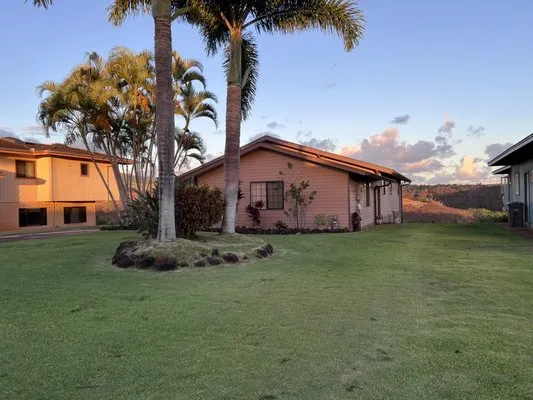
Jackson’s Yard Landscape & Tree Services brings over 15 years of dedicated experience serving Kaua’i, with a focus on Kekaha and surrounding communities. We specialize in comprehensive tree and lawn c...
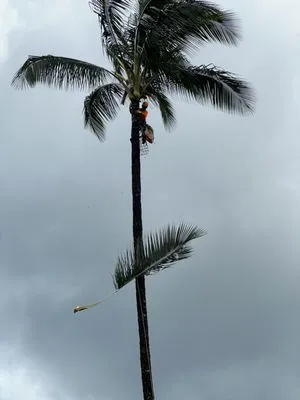
McNamee Trees is a locally owned and operated tree service and landscaping company serving Kekaha, HI, and the entire island of Kaua'i. With over 15 years of hands-on experience in climbing, grounds w...
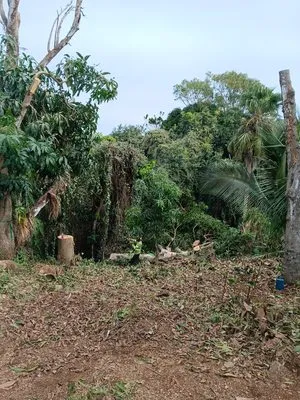
Ernie's Hands is a trusted landscaping service in Kekaha, HI, dedicated to maintaining and enhancing the natural beauty of local properties. We specialize in addressing common local landscaping challe...
Questions and Answers
We want to regrade our backyard for better drainage. What permits and contractor credentials are required?
Regrading a 0.22-acre lot typically requires a grading permit from the County of Kauai Planning Department to ensure drainage alterations don't impact neighboring properties or public infrastructure. The contractor performing this work must hold a valid C-27 Landscaping license or a more general engineering license from the Hawaii Contractors License Board. This licensing is mandatory for any earthmoving project exceeding $1,000 in value and is your assurance of liability coverage and adherence to state excavation and sediment control laws.
Is crushed basalt a better choice than wood for a new patio, considering the salt air and fire risk?
For longevity and safety in Kekaha, crushed basalt aggregate is superior to wood. Treated lumber decays rapidly in saline air and requires chemical preservatives. Basalt is inert, drains exceptionally well, and will not combust, which is a paramount concern for maintaining the defensible space required by our High Fire Wise rating. A properly compacted basalt patio also mitigates heat island effect and supports soil health underneath, whereas wood or solid concrete can create a biological dead zone and increase runoff.
We're tired of weekly mowing. What's a truly low-maintenance, native alternative to grass?
Transitioning to a native groundcover palette eliminates weekly mowing and blower noise ahead of tightening ordinances. A matrix of Hinahina (beach heliotrope) and Ilima provides a textured, flowering carpet that requires no irrigation once established and supports local pollinators. Accent with Naupaka, Kou, and Milo for vertical structure. This xeriscape approach conserves water, builds biodiversity, and creates a fire-resilient landscape compliant with High WUI Zone 2 standards, as these plants are adapted to our coastal winds and saline conditions.
Our yard floods and salt crusts form after high surf events. What's a durable solution for this drainage?
Coastal salinity and storm surge inundation require a strategy that manages both water volume and salt. The compacted Kekaha Silty Clay exacerbates pooling. A graded swale lined with permeable crushed basalt aggregate allows for rapid percolation, dispersing salt-laden water before it concentrates. This aggregate also resists corrosion from salt. Such a system must be designed to meet the County of Kauai Planning Department's stormwater runoff standards, often requiring a simple permit for regrading on a 0.22-acre lot.
With Stage 1 water conservation in effect, how do we keep our Seashore Paspalum lawn green?
Under voluntary conservation, precision is key. An Evapotranspiration (ET) Smart Controller is non-negotiable. It uses local weather data to apply only the water the grass has actually lost, eliminating guesswork and runoff. For Seashore Paspalum in Zone 12b, this often means reducing runtime by 20-30% compared to a standard timer. The controller automatically adjusts for seasonal humidity and rainfall, keeping the turf within its drought-tolerant threshold while strictly adhering to municipal water budgets.
Our 1979-era yard in Kekaha has heavy, tired-looking soil. What's the core issue with the dirt here?
Properties built around 1979 in the Kekaha Residential District have soils with 47 years of post-construction compaction. The native Kekaha Silty Clay naturally has low permeability, and decades of foot traffic have further reduced pore space. This creates anaerobic conditions that stunt root growth. The solution is not just top-dressing; it requires core aeration followed by incorporating mature compost to rebuild soil structure and microbial life, which directly improves water infiltration and nutrient availability.
An invasive vine is choking our Naupaka. How can we remove it without harming the native plants or breaking fertilizer rules?
Invasive species like Mexican creeper or Guinea grass require targeted, manual removal followed by careful spot-treatment with a certified organic, non-systemic herbicide to protect nearby Naupaka roots. Timing is critical to avoid the statewide regulated nitrogen and phosphorus application blackout dates, which typically prohibit certain amendments during rainy periods. Post-removal, we replenish the soil with a mycorrhizal inoculant to help the native plants outcompete any returning weeds, a process that falls outside fertilizer ordinance restrictions.
We have a sudden HOA compliance notice about overgrowth. What's your fastest response time for a cleanup?
For emergency compliance work, our crew can typically mobilize from Kekaha Beach Park via HI-50 (Kaumualii Highway) to reach most addresses in the Kekaha Residential District within 90 minutes. We maintain a fully electric maintenance fleet compliant with the 7:00 AM to 6:00 PM noise ordinance, allowing for immediate, quiet operation upon arrival. This rapid dispatch is critical given the 45-60 minute emergency response window from Lihue, ensuring we can secure a property before official inspections.
