Top Landscaping Services in Kaloko, HI, 96740 | Compare & Call

There are 106 landscaping companies server in Kaloko HI
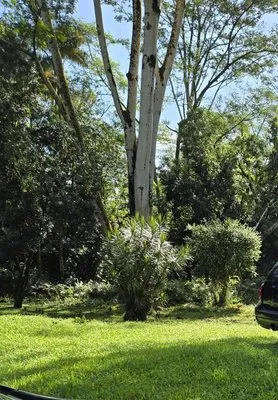
Aloha Āina Tree Service, Inc. was founded in 2022 by Dustin, a tree care professional with a deep passion for the land and people of Hawaii. Based in Keaau on the Big Island, the company was built on ...
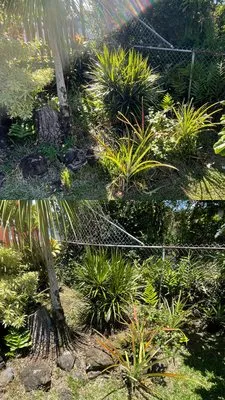
Hoʻoulu Landscape & Yard Maintenance LLC is a locally-owned and operated service on the east side of Hawaiʻi Island, dedicated to keeping Hilo properties vibrant and well-maintained. We focus on relia...
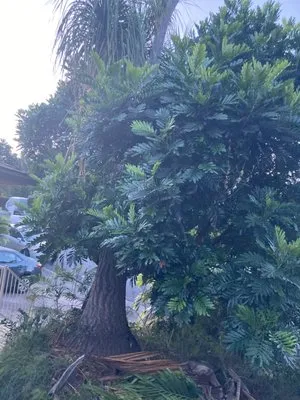
Bassett Tree Service in Hilo, HI, is a professional tree and land clearing company with lifelong expertise in forestry work. Equipped with the necessary tools and skills, we specialize in safe, effici...
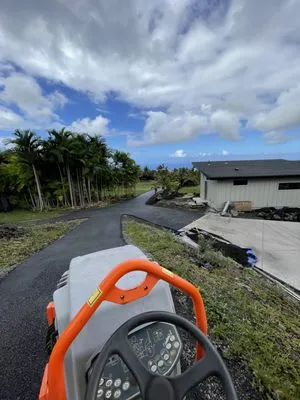
KUA Asphalt Paving is a locally owned and operated business serving Hilo and the Big Island, founded by Justin, a Hilo native with over 20 years of construction experience. Specializing in asphalt pav...
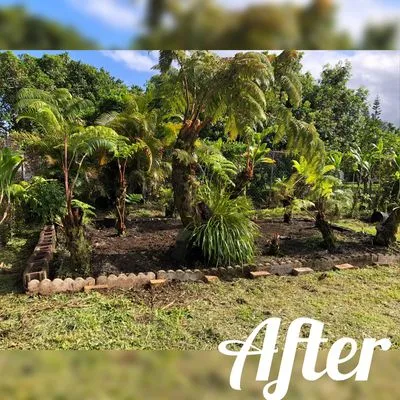
At Lord's Landscaping in Hilo, we believe great landscapes are built on a foundation of diverse skills and a commitment to bringing your vision to life. Our journey began with a focus on yards, but ou...
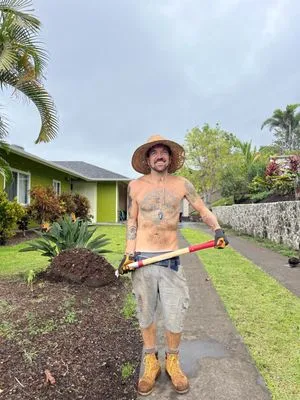
Aina Terra Permascapes is a locally owned luxury landscape design company in Puako, HI, founded in 2015 by Jouliana and her husband, who are passionate about sustainable permaculture. They specialize ...
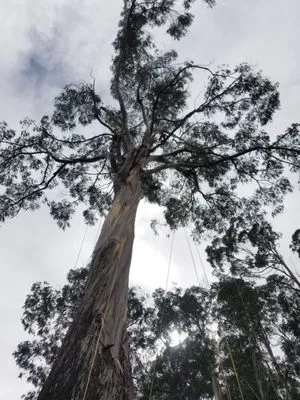
Backyard Monkey
Backyard Monkey is a licensed and insured tree service company serving Mountain View, HI, and the surrounding Big Island communities since 2007. We specialize in comprehensive tree care, including rem...
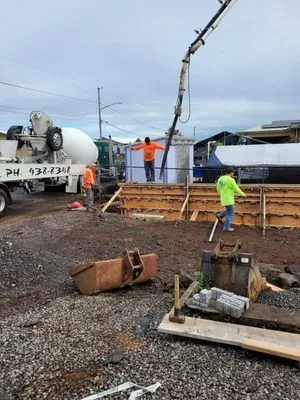
K&K Excavation & Landscaping Services is a locally owned and operated business serving Hilo, HI, since 2019. With over five years of industry experience, we specialize in excavation and landscaping se...
Local Boy Landscaping is a Hilo-based lawn care service dedicated to keeping your yard healthy and vibrant. We specialize in addressing common local issues like patchy grass and lawn fungus, which thr...

Enrique & Son's Lawn Service is a trusted, family-owned lawn care provider serving Pahoa, HI, and the surrounding Big Island communities. We specialize in comprehensive lawn maintenance, including reg...
Estimated Landscaping Service Costs in Kaloko, HI
Question Answers
Is crushed basalt or wood decking better for longevity in Kaloko's fire-prone areas?
Crushed basalt hardscape outperforms wood in WUI Zone 2 compliance by providing non-combustible defensible space. Volcanic stone requires no chemical treatments and withstands Kaloko's humid coastal conditions without deterioration. The material's natural thermal mass moderates ground temperatures while allowing permeability for drainage. Compared to wood's 10-15 year lifespan with maintenance, basalt installations maintain integrity for decades with minimal upkeep.
My property has rapid water drainage through volcanic cinder soil - what solutions prevent erosion?
High permeability in Andisols requires graded swales lined with crushed basalt or lava rock to manage runoff velocity. These permeable hardscape materials meet County of Hawai'i Planning Department standards by allowing 8-12 inches per hour infiltration rates. Strategic placement slows water movement while preventing surface erosion during heavy rains. Dry creek beds with native stone create natural drainage paths that complement the soil's existing characteristics.
What are the long-term benefits of replacing high-maintenance turf with native Hawaiian plants?
Transitioning to 'ōhi'a lehua, koa, and pūkiawe reduces mowing frequency from bi-weekly to seasonal maintenance, cutting fossil fuel use ahead of anticipated gas-blower restrictions. Native plantings require 70% less irrigation once established and support local pollinator populations. This approach aligns with 2026 biodiversity standards while creating fire-resistant landscaping in WUI Zone 2 areas. Electric maintenance equipment operates effectively within standard decibel limits for residential areas.
Can I maintain healthy turf while following Stage 1 water conservation guidelines in Kaloko?
Smart Wi-Fi ET-based drip controllers optimize irrigation for Seashore Paspalum or St. Augustine turf under Stage 1 voluntary conservation. These systems calculate evapotranspiration rates specific to Kaloko's microclimate, reducing water use 30-40% compared to traditional schedules. Drip emitters target root zones while minimizing evaporation losses on volcanic soils. Municipal water limits are maintained through soil moisture sensors that override programming during rainfall events.
Why does my 30-year-old Kaloko Mauka property have such poor soil structure despite regular watering?
Kaloko Mauka lots developed around 1996 have volcanic cinder Andisols that are now 30 years old. These soils naturally exhibit high permeability but low organic matter retention, leading to compaction and reduced water-holding capacity. Core aeration every 18-24 months with compost amendments addresses this by improving soil aggregation and microbial activity. The neighborhood's volcanic parent material creates pH 6.2-6.8 conditions where organic matter decomposes rapidly, requiring strategic replenishment.
What permits and licenses are required for grading work on my half-acre Kaloko property?
Grading on 0.50-acre lots requires County of Hawai'i Planning Department approval for any cut/fill exceeding 50 cubic yards. Contractors must hold Hawai'i DCCA licensing with specific endorsements for earthwork and erosion control. The permit process evaluates drainage plans against volcanic soil stability standards and native vegetation protection. Professional licensing ensures compliance with statewide fertilizer ordinances and stormwater management regulations during construction phases.
How quickly can you respond to emergency storm damage cleanup in Kaloko during peak conditions?
Emergency response from our base near Kaloko-Honokōhau National Historical Park requires 45-60 minutes during peak storm events. Crews travel HI-19 (Queen Ka'ahumanu Highway) with electric equipment to bypass noise restrictions in residential zones. This routing accounts for potential flooding on secondary roads while maintaining HOA compliance timelines. We prioritize safety protocols for downed trees and erosion control on volcanic soils.
How do I control invasive species without violating phosphorus fertilizer restrictions?
Targeted manual removal of invasive plants precedes application of mycorrhizae-enhanced compost teas that boost native plant competitiveness. The statewide phosphorus restriction requires using iron-based amendments instead of traditional fertilizers during establishment phases. Treatment timing avoids blackout periods by focusing on early growth cycles when plants are most vulnerable. Regular monitoring prevents reinfestation while maintaining soil pH balance in the 6.2-6.8 range optimal for native species.
