Top Landscaping Services in Hilo, HI, 96720 | Compare & Call

Paiea Landscape Services
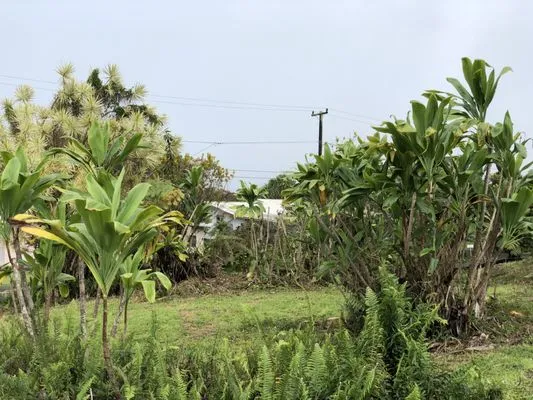
Paiea Landscape Services, owned and operated by Adam (ʻakamu) Poʻoloa in Hilo, HI, provides personalized lawn and landscape solutions for local residents. Specializing in landscape design, greenscape ...
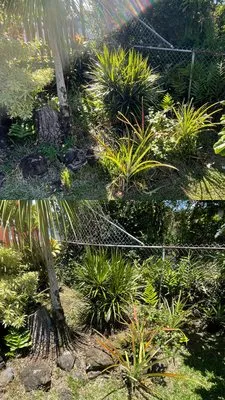
Hoʻoulu Landscape & Yard Maintenance LLC is a locally-owned and operated service on the east side of Hawaiʻi Island, dedicated to keeping Hilo properties vibrant and well-maintained. We focus on relia...
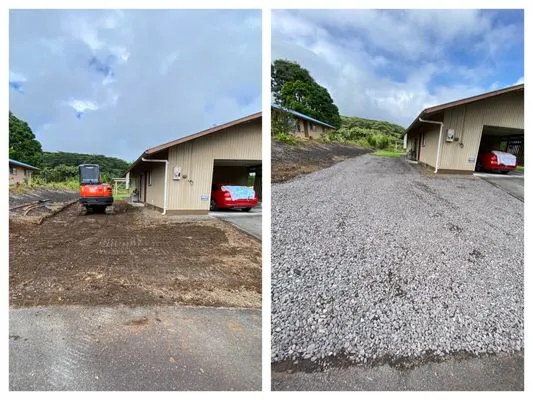
RNB Land Services is a family-owned and operated excavation and landscaping company proudly serving Hilo and the surrounding areas of Hawaii Island. Founded in 2021, what began as a dedicated side bus...
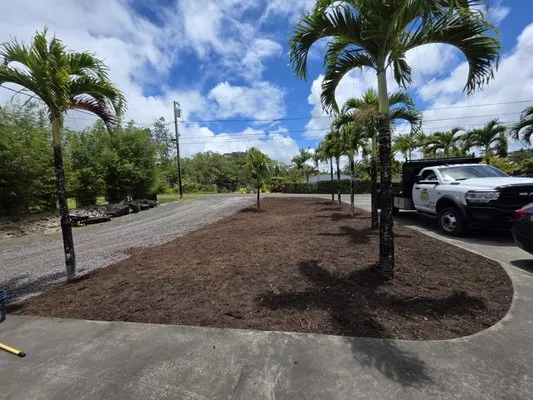
Ashton Castro, born and raised on the Big Island, founded Ashton's Landscape & Tree Service fueled by a lifelong passion for landscaping and trees. Starting as a ground laborer for other local compani...
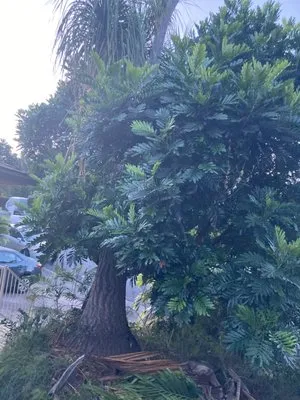
Bassett Tree Service in Hilo, HI, is a professional tree and land clearing company with lifelong expertise in forestry work. Equipped with the necessary tools and skills, we specialize in safe, effici...
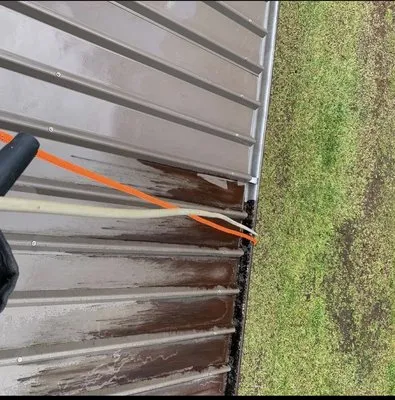
Elite Landscaping & Irrigation
Elite Landscaping & Irrigation is a Hilo-based company serving the entire island with comprehensive outdoor and property services. Our team specializes in creating and maintaining beautiful, functiona...
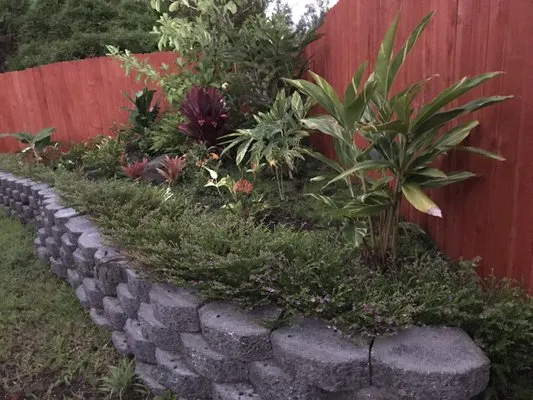
Irrigation Solutions & Landscape is a Hilo-based company specializing in comprehensive irrigation and landscaping services tailored to the unique needs of Hawaii Island properties. We address common l...
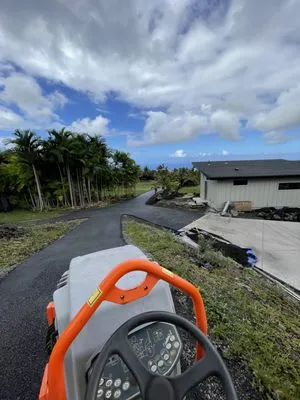
KUA Asphalt Paving is a locally owned and operated business serving Hilo and the Big Island, founded by Justin, a Hilo native with over 20 years of construction experience. Specializing in asphalt pav...
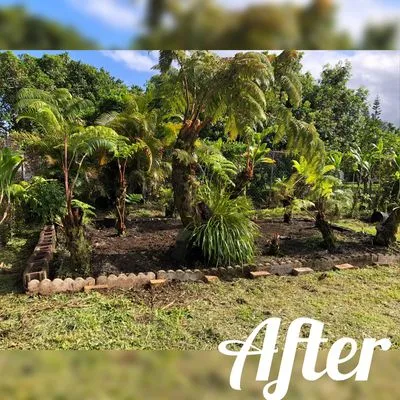
At Lord's Landscaping in Hilo, we believe great landscapes are built on a foundation of diverse skills and a commitment to bringing your vision to life. Our journey began with a focus on yards, but ou...

Eco Landscape is a Hilo-based, family-owned landscaping company with over 20 years of dedicated service to Hawaii Island. We specialize in creating and maintaining beautiful, sustainable outdoor space...
Common Questions
Our Waiakea home was built around 1978, and the garden soil seems dense. What's the underlying issue?
Homes built in the late 1970s on Hawaii Island often sit on young, volcanic Andisols. With nearly 50 years of soil development since construction, these soils have matured but can become compacted and hydrophobic, especially in older Waiakea neighborhoods. The naturally acidic pH of 5.5-6.5 can also limit nutrient availability. Core aeration paired with incorporating composted organic matter is essential to improve soil structure, water infiltration, and microbial activity for sustained plant health.
We want to reduce weekly mowing and gas blower noise. What's a truly low-maintenance alternative?
Transitioning sections of high-input turf to a native plant guild is the most effective long-term strategy. Incorporating ʻŌhiʻa lehua, Hāpuʻu fern, Naupaka, and Koʻoloaʻula creates a layered, self-sustaining ecosystem adapted to local climate and soils. This biodiverse landscape drastically reduces mowing, eliminates leaf-blower dependency ahead of tightening noise ordinances, and supports local pollinators while conserving water and nutrients year-round.
We want to regrade and terrace our 0.25-acre lot. What permits and contractor credentials are required?
Significant earthwork and retaining walls over certain heights require a grading permit from the Hawaii County Planning Department. For the work itself, you must hire a contractor licensed by the Hawaii Contractors License Board (C-27 Landscaping or related specialty). This is not discretionary; state law mandates licensing for projects of this scope on a quarter-acre lot to ensure proper engineering for soil stability, drainage, and compliance with all county codes, protecting your property investment.
We have a sudden tree limb down after a storm and need an emergency cleanup crew. How fast can you respond?
For urgent storm response, our electric fleet can dispatch from the Liliʻuokalani Gardens area. We utilize Hawaii Belt Road (Route 11) for efficient access to Waiakea, with a target arrival window of 20-30 minutes during peak events. Our quiet, battery-powered equipment allows us to work within standard noise ordinances immediately upon arrival, ensuring rapid debris management and site safety restoration.
Is crushed basalt or wood better for a new garden path in terms of longevity and safety?
Crushed basalt or permeable lava rock is superior for Hilo's environment. Unlike wood, which decays rapidly in high humidity and can become slippery, basalt is mineralogically stable, provides excellent drainage, and requires no chemical treatments. While the local Fire Wise rating is low, using non-combustible mineral hardscapes still contributes to defensible space principles and offers permanent, low-maintenance functionality that integrates seamlessly with the volcanic landscape.
Even with Hilo's rain, our St. Augustine grass has dry patches. What's the most efficient watering strategy?
High precipitation does not guarantee even soil moisture. A drip irrigation system with embedded soil moisture sensors is critical. This technology applies water directly to the root zone only when the soil's volumetric water content drops below a programmed threshold, preventing both overwatering and underwatering. This method conserves municipal water, prevents nutrient leaching in permeable soils, and maintains turf health by aligning irrigation with actual plant needs, not a fixed schedule.
Water pools in a strange spot in our yard, then vanishes. Should we be concerned about drainage?
This indicates a potential subsurface lava tube void or rapid percolation through highly porous Andisols, a common hazard here. Surface pooling followed by sudden drainage can undermine foundations and hardscapes. The solution involves strategic grading to direct surface runoff away from structures and using permeable materials like crushed basalt for any new paths or patios. These practices meet Hawaii County Planning Department stormwater management standards by promoting infiltration and reducing erosion.
An invasive weed is taking over a garden bed. How do we treat it without harming our native plants?
First, identify the species; common alerts here include clidemia or fiddlewood. Manual removal is preferred for small infestations. For targeted chemical control, select a herbicide labeled for that specific weed and apply it directly during dry, calm conditions to avoid drift. Crucially, any supplemental fertilizing must follow the statewide phosphorus ban; a soil test is legally required to confirm a deficiency before application, preventing nutrient pollution in our sensitive watersheds.
