Top Landscaping Services in Fern Acres, HI, 96771 | Compare & Call

There are 66 landscaping companies server in Fern Acres HI
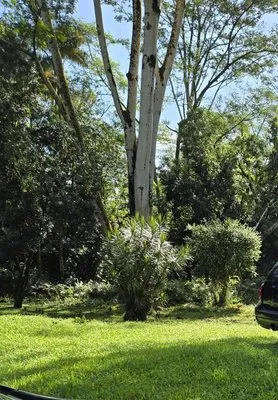
Aloha Āina Tree Service, Inc. was founded in 2022 by Dustin, a tree care professional with a deep passion for the land and people of Hawaii. Based in Keaau on the Big Island, the company was built on ...
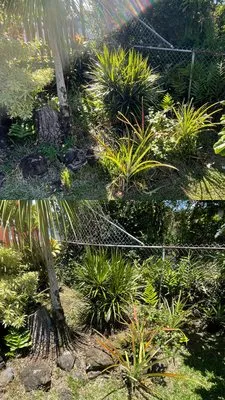
Hoʻoulu Landscape & Yard Maintenance LLC is a locally-owned and operated service on the east side of Hawaiʻi Island, dedicated to keeping Hilo properties vibrant and well-maintained. We focus on relia...
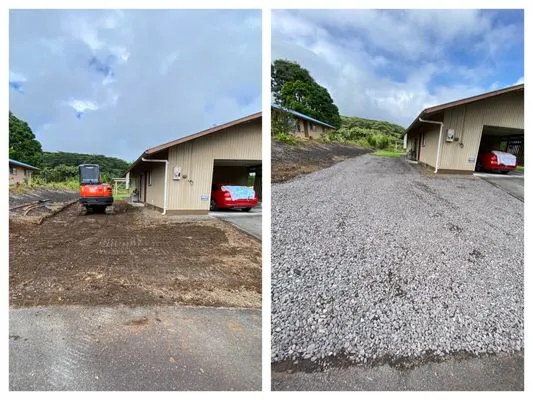
RNB Land Services is a family-owned and operated excavation and landscaping company proudly serving Hilo and the surrounding areas of Hawaii Island. Founded in 2021, what began as a dedicated side bus...
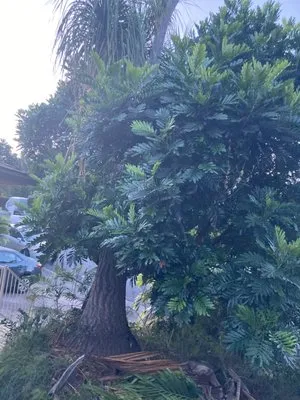
Bassett Tree Service in Hilo, HI, is a professional tree and land clearing company with lifelong expertise in forestry work. Equipped with the necessary tools and skills, we specialize in safe, effici...
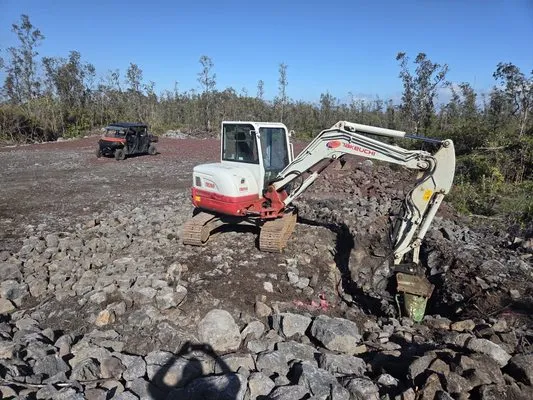
808 Killa Creations is a locally owned and operated excavation, landscaping, and septic services company based in Keaau, HI. Founded and led by BJ A., the business is built on a deep commitment to ser...
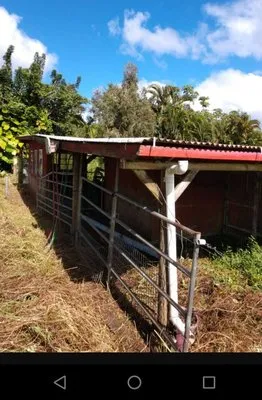
As a lifelong resident of East Hawaii, Anthony Richard Bell has been working the land his entire life. At Bell's Roots 2 Roof, he and his team bring that deep local knowledge to every project in Keaau...
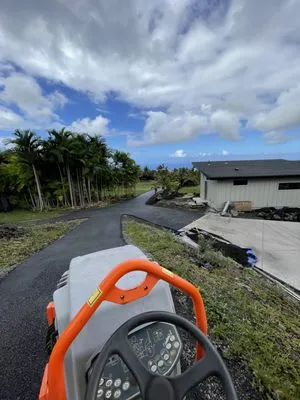
KUA Asphalt Paving is a locally owned and operated business serving Hilo and the Big Island, founded by Justin, a Hilo native with over 20 years of construction experience. Specializing in asphalt pav...
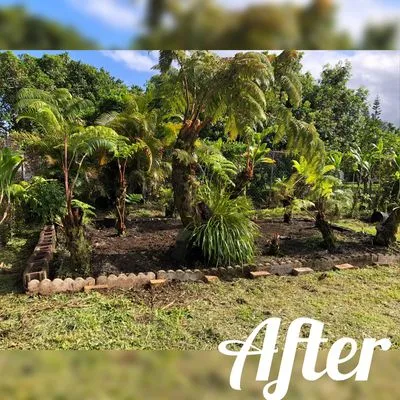
At Lord's Landscaping in Hilo, we believe great landscapes are built on a foundation of diverse skills and a commitment to bringing your vision to life. Our journey began with a focus on yards, but ou...

Caban's Landscapes brings a dedicated, hands-on approach to transforming outdoor spaces in Mountain View, HI. Founded on a deep respect for both the local environment and each client's unique vision, ...
Aina Terra Permascapes is a locally owned luxury landscape design company in Puako, HI, founded in 2015 by Jouliana and her husband, who are passionate about sustainable permaculture. They specialize ...
Estimated Landscaping Service Costs in Fern Acres, HI
Frequently Asked Questions
What are the biggest threats to my landscape, and how do I treat them without harming the environment?
Primary biological threats include invasive species like strawberry guava, clidemia, and coqui frogs, which outcompete natives. Treatment requires an Integrated Pest Management plan starting with precise mechanical removal. For any necessary chemical controls, select products with no phosphorus, adhering to statewide watershed protections. Time applications outside of heavy rain periods to prevent leaching through the porous soil, and always favor bolstering native plant health as the first line of defense.
A storm knocked down branches, and my HOA requires a quick cleanup. What's your emergency response time?
For emergency storm response, our dispatch from the Fern Acres Community Center prioritizes access via Hawaii Belt Road (Route 11). During peak storm conditions, travel to most properties within the subdivision is 60-90 minutes. We coordinate with county road crews to clear access routes. Our electric-powered chippers and sweepers operate within general county quiet hours, allowing for immediate, compliant cleanup upon arrival.
Is basalt lava rock a good choice for building retaining walls or fire-resistant landscaping?
Basalt lava rock is the superior material for durability and fire mitigation. Compared to wood, it is non-combustible, does not decay, and requires no chemical treatments. For properties in Moderate Wildland-Urban Interface (WUI Zone 2) areas, using it to create defensible space—such as for walls or as a non-flammable mulch—directly supports Firewise principles. Its thermal mass also helps moderate soil temperature, benefiting adjacent plantings.
I'm tired of constant mowing. Are there lower-maintenance, native alternatives to my lawn?
Transitioning to a native plant palette is a forward-looking strategy. Species like Ohi'a Lehua, Koa, Hapuu Fern, and Mamaki are adapted to local acidic soils and rainfall patterns, requiring minimal supplemental water once established. This xeriscaping reduces bi-weekly mowing and eliminates gas-powered blower use, aligning with evolving noise ordinances. The resulting landscape supports local pollinators and increases biodiversity, moving beyond purely ornamental horticulture.
What do I need to know about permits and hiring for grading or major landscape changes on my 2-acre lot?
Any significant earthwork or grading on a 2-acre parcel in Fern Acres requires a permit from the Hawaii County Planning Department. The contractor must hold a valid C-27 or related license from the Hawaii Contractors License Board. This is not merely a formality; licensed professionals carry required insurance and understand critical codes related to slope stability, drainage, and protected vegetation on larger lots, preventing costly violations and environmental damage.
How should I water my St. Augustine grass if I rely on a rainwater catchment system?
Gravity-fed cistern systems require strategic management. First, implement ET-based irrigation scheduling, watering only when evapotranspiration rates exceed rainfall. For St. Augustine grass, this typically means deep, infrequent watering to encourage deep roots, which is critical given the high permeability of Andisols. A filtration system with a first-flush diverter preserves water quality. This approach maximizes your captured water volume, making you independent of municipal supply while maintaining turf health.
My property's soil seems thin and the grass struggles. Is this normal for our area, and can it be improved?
Properties in the Fern Acres Subdivision, developed around 1997, have ~29-year-old soil profiles. These are typically Andisols, which are acidic volcanic soils with excellent structure but low nutrient retention. Over decades, compaction from routine activity reduces pore space, limiting root growth and water infiltration. Core aeration followed by incorporating high-carbon organic compost is the most effective remediation, as it addresses compaction without altering the naturally beneficial acidic pH.
Water seems to just disappear into the ground here. Do I need to worry about drainage for new patios or walkways?
The high permeability of Andisols is a double-edged sword; it prevents pooling but promotes rapid nutrient leaching. For any new hardscape, the Hawaii County Planning Department requires runoff management. Using locally sourced basalt lava rock in permeable applications—like gravel-set patios or dry-laid walkways—allows water to infiltrate naturally, meeting code and mimicking the native hydrology. This prevents erosion and recharges groundwater without creating concentrated runoff.
