Top Landscaping Services in Watkinsville, GA, 30677 | Compare & Call

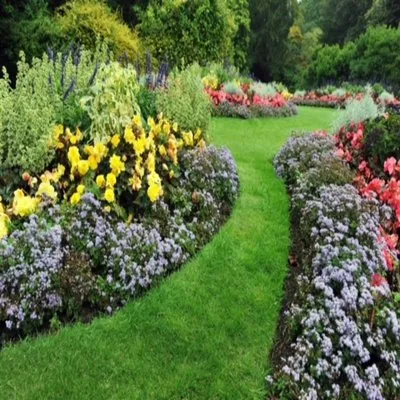
Four Seasons Lawn Maintenance
With over 14 years of dedicated service in Watkinsville and the surrounding areas, Four Seasons Lawn Maintenance is a locally-owned and operated landscaping company. Our comprehensive approach covers ...
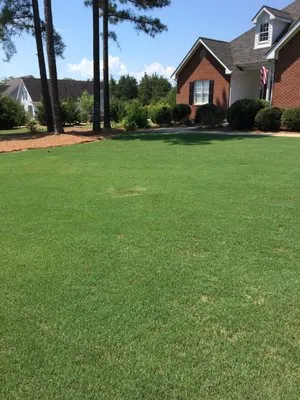
Houseman Services is a trusted, full-service provider for Watkinsville homeowners, specializing in landscaping, pest control, and tree care. We understand the common local challenges, like inconsisten...
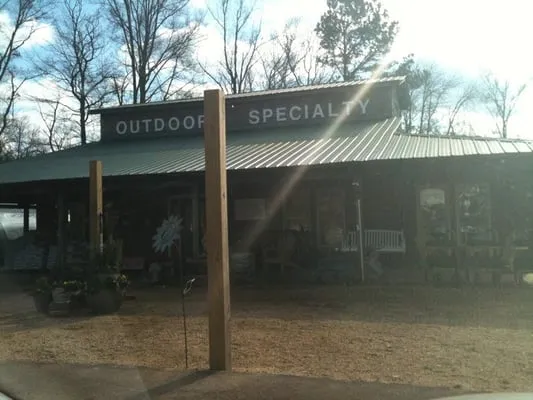
Outdoor Specialty is a family-owned landscaping and irrigation company serving Watkinsville, GA, and the surrounding communities since 2002. We are your local resource for creating and maintaining bea...
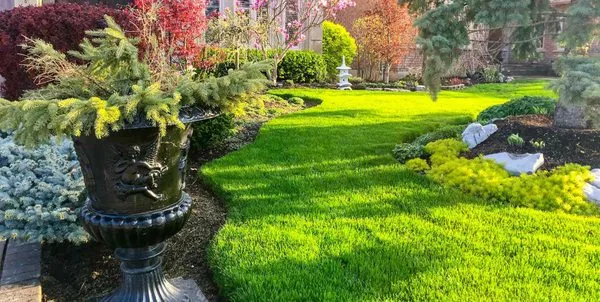
Ramos Landscaping And Lawn Care is a locally owned and operated landscaping contractor serving Watkinsville, GA, and surrounding areas. Founded in 2015, the company brings nearly eight years of hands-...
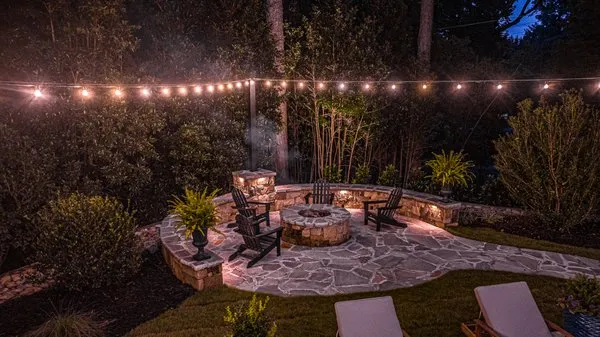
Southern Grounds Landscaping
Southern Grounds Landscaping is a locally owned and operated landscaping company serving Watkinsville and the greater Athens area. Founded in 2017 with roots going back to 2010, we've grown from a sin...
Johnston Irrigation is a trusted Watkinsville-based landscaping and irrigation company with over 25 years of professional experience serving the local community. We specialize in comprehensive irrigat...
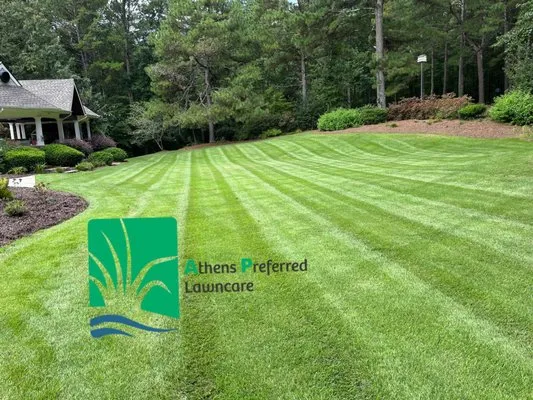
Athens Preferred Lawncare is a locally owned and operated landscaping service dedicated to enhancing outdoor spaces for homeowners in Watkinsville and the greater Athens area. Established in 2017, we’...

Perennial Lawn & Landscape is a full-service landscaping company serving Watkinsville, GA, and surrounding areas. We specialize in comprehensive landscape design, installation, and maintenance, includ...
Lawn Maintenance of Athens
Lawn Maintenance of Athens (LMA, Inc.) has been serving Watkinsville and the surrounding Athens area since 1972 as a licensed, full-service landscaping company. We specialize in comprehensive resident...

Athens Junk Removal grew from a simple observation by the team at Culp Landscaping. While serving our Watkinsville neighbors with landscaping and irrigation, we noticed a common need: help clearing ou...
Frequently Asked Questions
I want to reduce mowing and gas-powered noise. What are the best native plants to use?
Transitioning to a native plant community is the definitive strategy. Species like Purple Coneflower, Black-eyed Susan, and Switchgrass are adapted to Zone 8a and require no supplemental watering once established, eliminating weekly mowing. An Oakleaf Hydrangea and Eastern Redbud grouping provides structure. This approach not only cuts fuel and noise but also builds habitat, aligning with a forward-looking landscape that anticipates tighter noise ordinances on gas-powered equipment.
Is a wooden deck or a stone patio better for longevity and safety here?
For longevity and reduced maintenance, local Granite Pavers or Fieldstone are superior. Wood requires constant sealing and is susceptible to rot. Stone is permanent, drains well, and supports the Moderate Firewise rating by creating a non-combustible defensible space around your home—a crucial safety buffer. A properly installed stone patio also addresses the clay soil drainage issue, unlike a wooden deck which can trap moisture and accelerate decay underneath.
Our yard pools water after heavy rain. What's a long-term solution that also looks good?
Pooling is a direct result of the high clay content in Cecil soil, which creates surface runoff. The solution integrates permeability. Replacing solid concrete with local Granite Pavers or Fieldstone set in a permeable sand base creates a dry-laid patio that allows water to infiltrate. This meets Oconee County's emphasis on managing stormwater runoff. For severe cases, a French drain system tied into these permeable areas will redirect subsurface water away from the foundation.
We have an invasive vine taking over a bed. How do we treat it without harming everything else?
First, identify the vine; common culprits are English Ivy or Japanese Honeysuckle. Manual removal of roots is best for small areas. For larger infestations, a targeted, systemic herbicide applied directly to the foliage in late summer is most effective. This must be done outside of any state-regulated nutrient management blackout dates, typically in winter, to protect watersheds. Always follow the Georgia Soil and Water Conservation Commission guidelines for herbicide use to prevent runoff into local streams.
If a storm downs a tree limb, how quickly can an emergency crew arrive for HOA compliance?
For an emergency cleanup, crews can typically be dispatched within the hour. From a central staging area like Harris Shoals Park, the route via US-441 allows access to most Downtown Watkinsville properties. During peak traffic, expect a 20-30 minute arrival window. Crews prioritize securing the site for safety and clearing debris from structures or driveways to meet immediate compliance deadlines before full removal.
Our yard's soil seems tired and compacted. Is this a common issue for homes of this age in Watkinsville?
Yes, this is a predictable condition. Homes built around 1990, common in Downtown Watkinsville, have soil approximately 36 years post-construction. The prevalent Cecil Sandy Clay Loam is prone to severe compaction from initial grading and decades of foot traffic. This compaction reduces oxygen and water permeability. Corrective action requires core aeration in spring or fall, followed by amendments like compost to rebuild organic matter and improve soil structure for healthy root zones.
Do I need a permit to regrade my backyard, and what type of professional should I hire?
Yes, significant regrading on a 0.45-acre lot typically requires a permit from Oconee County Planning and Code Enforcement to ensure proper drainage and erosion control. You must hire a licensed landscape contractor or architect registered with the Georgia Department of Agriculture. This licensing ensures they understand soil mechanics, local codes, and can execute the plan to prevent runoff from affecting neighboring properties, which is a critical concern with our soil type.
How can I keep my Tall Fescue green during the summer without violating water restrictions?
Adhering to Stage 1 voluntary conservation requires precision. A Wi-Fi ET-based weather-sensing irrigation system is essential. It automatically adjusts run times using real-time evapotranspiration data, applying water only when needed and skipping cycles after rain. For Tall Fescue, this means deep, infrequent watering in the early morning to minimize loss and promote drought-tolerant roots. This technology is the most effective method for maintaining turf health within municipal water use expectations.
