Top Landscaping Services in Tyrone, GA, 30214 | Compare & Call

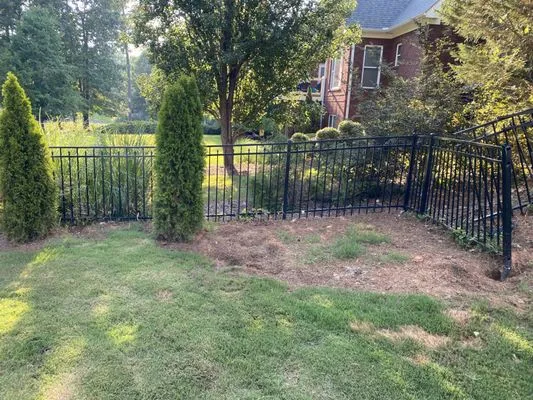
All South Lawnscapes
All South Lawnscapes is a Tyrone-based landscaping company with over two decades of local experience. Founded in 2002, we specialize in comprehensive landscape solutions including design, construction...
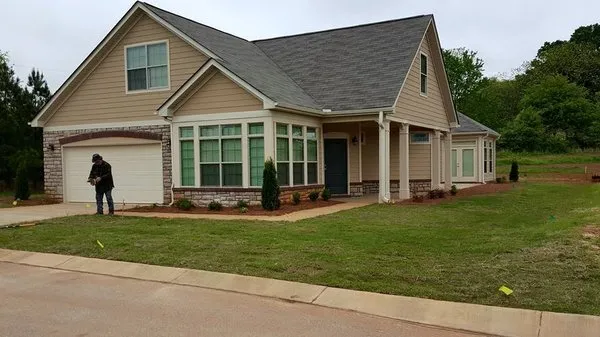
Lanier Yardscapes is a full-service landscaping company based in Tyrone, serving Peachtree City and the surrounding Fayette County area. With years of experience, we specialize in creating beautiful, ...
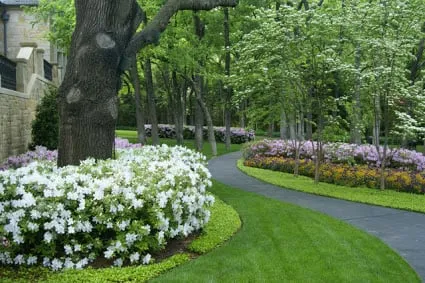
Ivy Green Lawncare
Since 1987, Ivy Green Lawncare has been the trusted, licensed landscaping partner for Tyrone, GA, homeowners and businesses. We understand that not every property has the same needs, which is why we b...

Straw Boss in Tyrone, GA, is a dedicated local landscaping company focused on solving common yard problems for homeowners in our community. We specialize in addressing the frequent issues of sprinkler...
Legacy Service in Tyrone, GA, is built on a foundation of skilled craftsmanship and a commitment to doing things right. After the challenges of the pandemic, we've returned with renewed purpose to ser...
Travis Landscaping & Lawn Maintenance is a trusted, locally-owned landscaping service dedicated to keeping Tyrone properties looking their best. We understand the common local challenges homeowners fa...
Coursey's Landscaping is a trusted local landscaping company serving Tyrone, GA, and the surrounding areas. We specialize in addressing common landscaping challenges faced by homeowners in our communi...
Growing South Landscaping Newnan Ga provides expert lawn and landscape care for the Tyrone, GA community. Local homeowners often face challenges like persistent weeds in mulch beds and insect damage t...
Lush Lawn Scapes, LLC is a trusted, locally owned and operated lawn care company serving Tyrone, GA. With over 14 years of dedicated experience in turf treatment, we understand the specific challenges...
Richard's Lawn Service is a trusted local lawn care provider in Tyrone, GA, dedicated to maintaining beautiful, healthy lawns for homeowners and businesses. We specialize in comprehensive lawn care se...
Questions and Answers
Why does my yard drain so poorly compared to older parts of town?
Most residential lots in Tyrone's Historic District were developed around 1995, resulting in roughly 30-year-old soil profiles. Construction practices at that time often compacted the native Cecil Sandy Loam, creating a dense, impermeable layer over the heavy clay subsoil. This compaction severely limits soil percolation, leading to the saturation and high runoff you observe. Core aeration and incorporating 2-3 inches of organic compost are required to rebuild soil structure and improve water infiltration.
My yard floods near the patio. What's a permanent solution?
This is a common issue with Cecil Sandy Loam over clay, where surface water cannot permeate the subsoil. Installing a French drain system to redirect water is often necessary. For new hardscapes, using permeable concrete pavers is highly effective; they allow stormwater to infiltrate onsite, reducing runoff. This approach often meets the Town of Tyrone Planning & Development's updated standards for managing water on your property and alleviates subsoil saturation.
Can you respond quickly for an emergency tree cleanup after a storm?
Yes. For urgent HOA compliance or safety issues, we dispatch crews from our staging area near Shamrock Park. Using GA-74, we can typically reach properties within the Tyrone Historic District in 20-30 minutes during peak response scenarios. Our electric-powered maintenance fleet allows us to operate within local noise ordinance hours, which restrict loud equipment between 9:00 PM and 7:00 AM, ensuring we can begin work promptly at first light.
How can I keep my Tall Fescue lawn alive during water restrictions?
Under Tyrone's Level 1 water conservation rules, efficient irrigation is mandatory. A Wi-Fi ET-based system is the technical solution. It uses local weather data to calculate evapotranspiration and applies only the precise water lost, preventing overwatering. For TifTuf Bermuda or Tall Fescue, this method schedules deep, infrequent watering cycles during early morning hours, which maximizes uptake and minimizes evaporation, keeping turf healthy within municipal limits.
Do I need a permit to regrade my sloped backyard?
Likely, yes. Significant grading on a 0.75-acre lot that alters water flow or involves substantial cut and fill typically requires review by the Town of Tyrone Planning & Development. Furthermore, this work must be performed by a contractor licensed through the Georgia Secretary of State Professional Licensing Boards. Proper licensing ensures the contractor understands state BMPs for erosion control and is insured, protecting you from liability related to downstream drainage issues.
Are permeable pavers a good choice for a new patio or walkway?
Yes, especially given Tyrone's Moderate Fire Wise rating and drainage concerns. Permeable concrete pavers offer superior longevity and minimal maintenance compared to wood, which decays and presents a fire risk in the Wildland-Urban Interface. Their design allows water to pass through, reducing runoff and recharging groundwater. This creates a durable, functional surface that also contributes to defensible space by using non-combustible materials near your home.
I want a lower-maintenance, eco-friendly yard. What should I plant?
Transitioning to a xeriscape with regionally native plants significantly reduces water, mowing, and chemical inputs. For Zone 8b, a layered planting of Oakleaf Hydrangea, Eastern Redbud, Purple Coneflower, and Switchgrass provides year-round interest and supports local biodiversity. This landscape requires no gas-powered blowers, aligning with evolving noise ordinances, and establishes a resilient ecosystem that outperforms traditional turf during drought or heat stress.
What's the best way to control invasive weeds without harming my garden?
Early identification and targeted treatment are key. For common invasives like Chinese Privet or Japanese Stiltgrass, a foliar application of a selective, EPA-approved herbicide in late spring is most effective. Crucially, any product used must adhere to Georgia's BMPs for Phosphorus application, which require buffer zones near waterways. For organic preference, manual removal before seed set, combined with a thick layer of mulch, can suppress growth without chemicals.
