Top Landscaping Services in Temple, GA, 30179 | Compare & Call
There are 132 landscaping companies server in Temple GA
D & C Landscaping is a trusted local partner in Clem, GA, dedicated to creating and maintaining healthy, vibrant outdoor spaces. We understand the common local frustrations of patchy grass lawns and p...
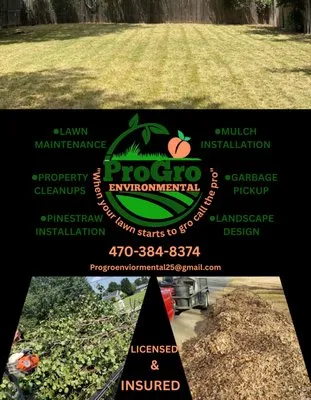
ProGro Environmental Services is a local lawn care provider in Temple, GA, dedicated to helping residents maintain healthy, attractive outdoor spaces. We focus on practical solutions for common landsc...
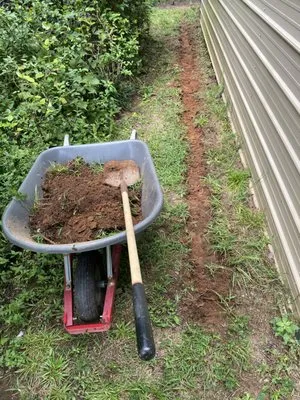
Lavender Lawn Care provides professional lawn services tailored for homeowners in Whitesburg, GA. We specialize in addressing common local landscaping challenges, such as persistent moss growth and ag...
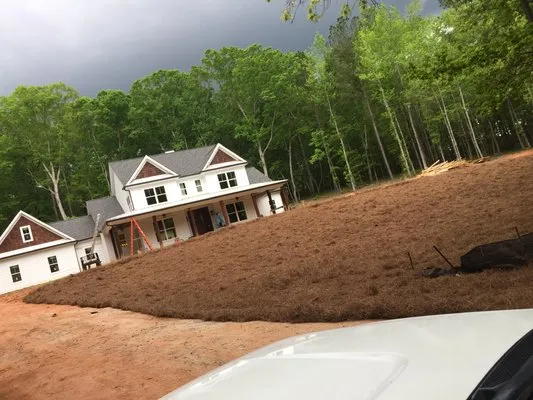
Lorenzo Lawn Service
Lorenzo Lawn Service is a trusted, full-service landscaping contractor serving Villa Rica, GA. We specialize in solving the common local challenges homeowners face, such as poor lawn grading that lead...
JC's Quality Services is a trusted, locally-owned and operated company serving Villa Rica, GA, and surrounding communities. Founded by Jeremiah, the business provides a comprehensive range of services...
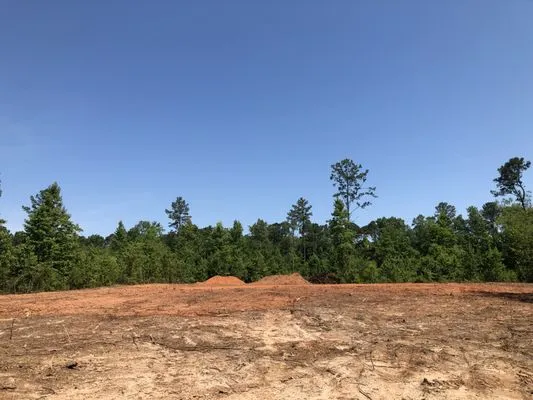
Patriot Grading and Materials
Patriot Grading and Materials is a veteran-owned and operated company serving Villa Rica, GA, and the surrounding Carroll County area. We specialize in excavation, land clearing, property vegetation m...
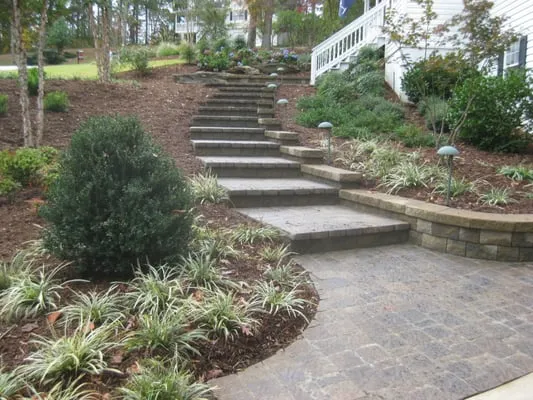
McPlants Landscape Services
McPlants Landscape Services is a locally owned and operated design-build firm that has been creating beautiful, functional outdoor spaces in Winston and the surrounding area since 1985. Our team inclu...
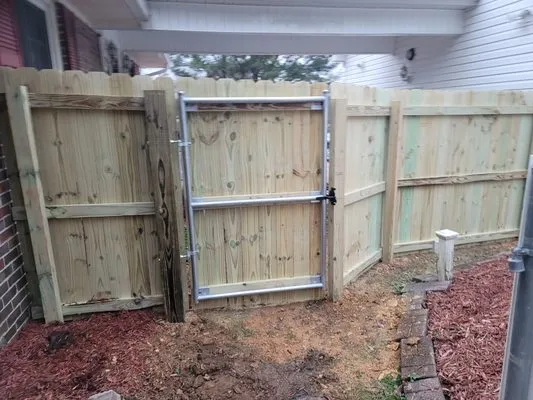
J & J Landscape and Services
J & J Landscape and Services is a full-service landscaping company based in Cedartown, GA, serving the local community since 2008. With over 30 years of combined industry experience, our trained profe...
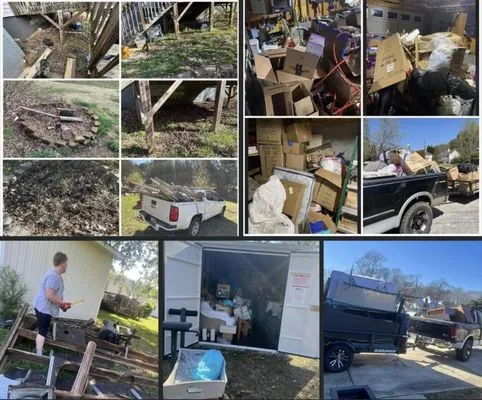
Mason Worx Property Maintenance
Mason Worx Property Maintenance is your trusted local partner in Tallapoosa, GA, specializing in comprehensive property upkeep solutions. We understand that many homes in our area face landscaping cha...

JS Precision Lawn is a Veteran Owned lawn care and pressure washing business serving Temple, GA. We take pride in doing the job correctly the first time, offering a wide range of services including mo...
Estimated Landscaping Service Costs in Temple, GA
Common Questions
What landscaping changes make sense as Temple transitions to quieter, electric maintenance equipment?
Replacing high-maintenance turf areas with native plantings like Eastern Redbud, Purple Coneflower, Switchgrass, and Beautyberry reduces mowing frequency and gas-powered equipment use. These adapted species require minimal irrigation once established and provide year-round habitat value. This approach aligns with evolving noise ordinances while creating resilient landscapes that support local biodiversity standards.
What solutions work best for Temple's chronic runoff and standing water problems?
Acidic clay loam soils in Temple have naturally low permeability, creating high runoff during heavy rains. Installing modular concrete pavers with permeable joints allows water infiltration while meeting Temple Planning & Development Department runoff standards. French drains combined with soil amendments that improve structure can redirect water away from foundations and prevent erosion on sloped properties.
What invasive species should Temple homeowners watch for, and how should they be managed?
Cogongrass and Chinese privet pose significant threats in Temple's USDA Zone 8a, outcompeting native vegetation. Treatment requires targeted herbicide applications during active growth periods, carefully timed to avoid State BMPs for phosphorus application blackout dates. Mechanical removal followed by native replanting creates sustainable barriers against reinfestation while maintaining soil health.
Why does my Temple yard have such dense, compacted clay soil that won't drain properly?
Downtown Temple properties built around 2000 have approximately 26 years of soil development on acidic Ultisols. This clay loam naturally compacts over time, especially with routine foot traffic and mowing equipment. The pH range of 5.5-6.2 indicates moderate acidity that can limit nutrient availability. Core aeration combined with organic amendments like composted pine bark improves soil structure and permeability for better plant health.
What permits and professional requirements apply to major landscaping projects on my Temple property?
Grading or structural changes on a 0.35-acre lot require permits from the Temple Planning & Development Department. The Georgia State Board of Landscape Architects licenses professionals for designs involving drainage systems, retaining walls over 4 feet, or irrigation plans. Unlicensed grading can violate erosion control ordinances and create liability issues for downstream water management.
How quickly can you respond to an emergency tree cleanup after a storm in Temple?
Our electric maintenance fleet can dispatch from Temple City Hall within 20-30 minutes during peak response times. We route via US-78 to minimize travel delays while complying with standard noise ordinance hours. This allows for immediate assessment of fallen limbs or hazardous trees while coordinating with local utility companies for safe removal operations.
Are modular concrete pavers a better choice than wood for Temple patios and walkways?
Modular concrete pavers offer superior longevity and fire resistance compared to wood in Temple's climate. Their non-combustible nature supports Moderate Firewise community guidelines by creating defensible space around structures. Unlike wood, concrete pavers resist moisture damage from acidic clay soils and maintain structural integrity for decades with minimal maintenance requirements.
How can I maintain healthy turf while following Temple's water conservation guidelines?
Wi-Fi ET-based weather sensing irrigation systems automatically adjust watering schedules based on real-time evapotranspiration data. This technology reduces water usage by 20-30% while preserving Tall Fescue or TifTuf Bermuda turf health. During Stage 1 voluntary conservation periods, these systems prioritize deep, infrequent watering that encourages deeper root growth and drought tolerance within municipal limits.
