Top Landscaping Services in Sugar Hill, GA, 30024 | Compare & Call
There are 208 landscaping companies server in Sugar Hill GA

Ovr Landscaping is a full-service masonry, fencing, and landscaping company serving Mableton, GA. We specialize in transforming outdoor spaces with services ranging from artificial turf installation a...
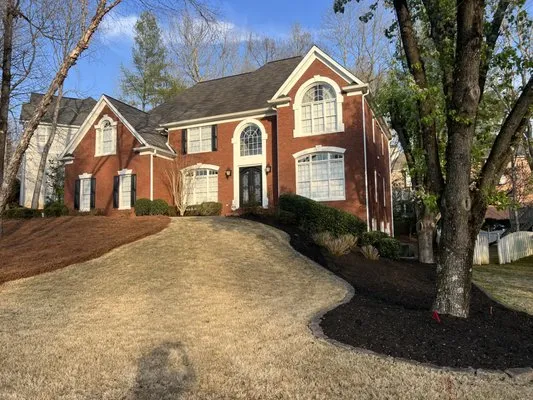
Serving Winder, GA for over 20 years, Munoz Family Lawn Care & Landscape is a trusted, locally-owned provider of comprehensive outdoor solutions. We specialize in both creating and maintaining beautif...
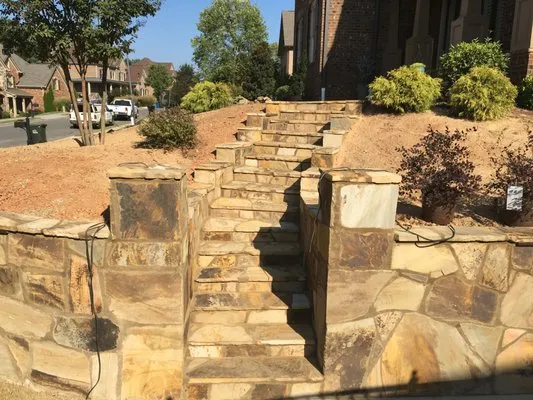
Georgia Outdoor Services
Georgia Outdoor Services is a family-owned design-build contractor based in Suwanee, GA, specializing in landscape construction, masonry, and outdoor living solutions. With over 25 years of experience...
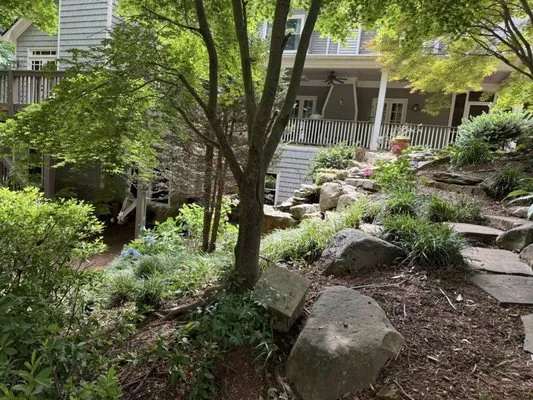
Sarge's Landscaping Services is a locally owned and operated landscape design and construction company serving Kennesaw and the wider North Georgia community. We specialize in creating and maintaining...
All Things Clean & CO., Cleaning Services, LLC is a locally owned and operated Atlanta business built around our clients. We focus on providing quality, reliable cleaning and lawn care services for ho...
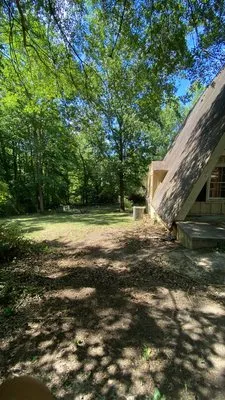
Andres Landscaping, founded in 2017 by David López, is a trusted local landscaping company serving Marietta, GA. We specialize in transforming outdoor spaces with comprehensive services including land...
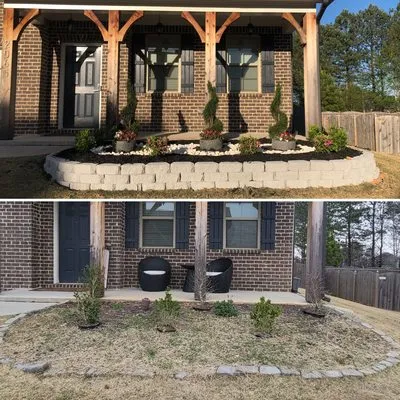
ATL Landscaping is a Buford-based landscaping company with deep roots in the Atlanta area, founded by owner Orlando in 1984. For over 55 combined years, our team has been dedicated to building and mai...
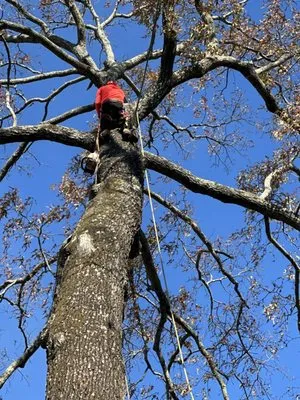
Green Garden Lawn Care is a full-service landscaping company dedicated to providing comprehensive, year-round green space maintenance for homes and businesses in Atlanta, GA. Our commitment is to tota...
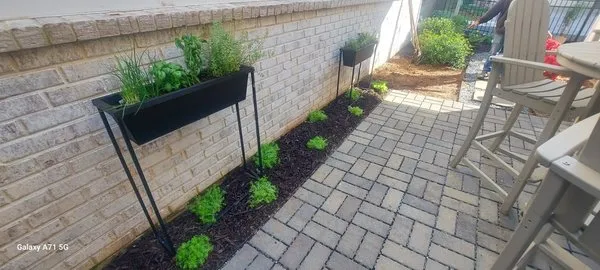
Cedar Creek Landscape is a Suwanee-based landscape design and construction firm established in 1989. Founded by a professional with a biology degree and over 45 years of combined experience, the compa...
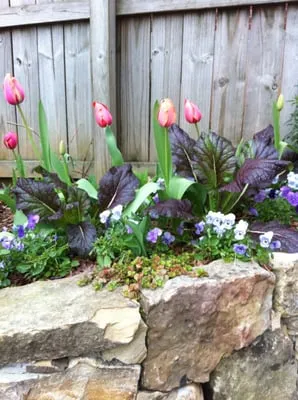
CreativeSpaces LLC is a Decatur-based landscaping and construction firm dedicated to transforming local properties into functional, beautiful outdoor living areas. We specialize in a comprehensive ran...
Estimated Landscaping Service Costs in Sugar Hill, GA
Question Answers
Water pools near our foundation after heavy rains. What solutions work with Sugar Hill's soil conditions?
Clay-heavy subsoils in Cecil Sandy Loam create high runoff situations where water cannot percolate effectively. Installing French drains with clean gravel and perforated pipe redirects water away from structures while permeable modular concrete pavers or flagstone patios increase surface infiltration. These solutions meet Sugar Hill Planning and Development Department runoff standards by managing stormwater on-site. Grading adjustments with 2% slope away from foundations complement drainage systems. For severe cases, dry creek beds with river rock provide both functional drainage and aesthetic appeal while preventing erosion.
We want to reduce lawn maintenance and noise. What native plants could replace some turf areas?
Replacing high-maintenance turf with native plant groupings creates resilient landscapes that require less frequent care. Eastern Redbud, Oakleaf Hydrangea, Purple Coneflower, and Switchgrass establish deep root systems that access subsoil moisture, reducing irrigation needs by 40-60%. These natives support local pollinators while providing year-round visual interest with minimal pruning requirements. The transition supports electric maintenance fleet adoption ahead of gas-blower restrictions under noise ordinances. Strategic placement creates micro-habitats that enhance biodiversity beyond 2026 standards while reducing weekly mowing requirements from April through October.
Our Sugar Hill yard has poor drainage and thin grass. Could this be related to the age of our property?
Properties built around 2000 in Downtown Sugar Hill have 26-year-old soil profiles that typically exhibit compaction from construction. Cecil Sandy Loam topsoil often degrades over this period, allowing clay-heavy subsoils to dominate and reduce permeability. Core aeration with organic amendments like composted pine bark addresses this by improving soil structure and increasing water infiltration. This treatment is particularly effective for Ultisols with pH 5.5-6.0, which benefit from enhanced microbial activity. Regular soil testing every 2-3 years helps monitor pH and nutrient levels in these established landscapes.
We need emergency storm cleanup to meet HOA compliance deadlines. How quickly can a crew arrive?
Emergency response crews typically dispatch from The Bowl at Sugar Hill area, traveling via GA-20 to reach Downtown Sugar Hill properties within 20-30 minutes during peak conditions. This routing avoids major congestion points while maintaining compliance with the 7:00 AM to 9:00 PM noise ordinance for electric equipment operation. The response window accounts for debris assessment and safety protocols before beginning cleanup operations. Crews prioritize addressing immediate hazards like fallen limbs blocking access or threatening structures. Communication with the HOA regarding compliance timelines begins upon arrival at the site.
We're considering a new patio. How do modular concrete pavers compare to wood for longevity and safety?
Modular concrete pavers offer superior longevity with 25+ year lifespans versus wood's 10-15 years with regular maintenance. Their non-combustible nature supports the Moderate Fire Wise rating compliance with Georgia Forestry Commission standards by creating defensible space around structures. Proper installation with polymeric sand joints prevents weed growth while allowing slight movement during freeze-thaw cycles. Compared to wood's susceptibility to rot and insect damage in Georgia's humid climate, pavers maintain structural integrity with minimal upkeep. Their permeability ratings help manage stormwater runoff, an important consideration with Sugar Hill's clay-heavy subsoils and drainage requirements.
How can we maintain healthy turf while following Georgia's water conservation standards?
EPA WaterSense labeled Wi-Fi ET-based controllers optimize irrigation by using real-time evapotranspiration data to match plant water needs precisely. These systems reduce water use by 20-30% compared to traditional timers while preserving Tall Fescue or TifTuf Bermuda health. Programming follows the non-drought statewide conservation standards, applying water during early morning hours to minimize evaporation loss. The controllers automatically adjust for rainfall and temperature changes, preventing overwatering that contributes to runoff issues. Regular system audits ensure proper coverage and identify leaks before they waste significant water resources.
We've noticed invasive plants spreading. How do we treat them without violating fertilizer regulations?
Common invasive species in Sugar Hill include Japanese stiltgrass and Chinese privet, which outcompete native vegetation. Manual removal before seed set combined with targeted herbicide applications during active growth periods provides effective control. Treatments avoid phosphorus-containing products to comply with Georgia's restrictions on established turf applications. Organic alternatives like horticultural vinegar work for small infestations when applied during warm, dry conditions. Proper disposal of removed material prevents reestablishment while supporting soil health through native plant reintroduction. Monitoring for regrowth ensures complete eradication without chemical overuse.
What permits and licenses are needed for significant landscaping changes on our 0.35-acre lot?
Grading work exceeding 100 cubic yards or altering drainage patterns requires a permit from the Sugar Hill Planning and Development Department. Contractors must hold Georgia Department of Agriculture registration for landscape architecture or contracting, ensuring compliance with state environmental regulations. The 0.35-acre property size triggers review for erosion control measures during construction phases. Professionals carry insurance covering potential damage to utilities or adjacent properties during excavation. Documentation of soil amendments and plant selections may be required for projects seeking sustainability certifications or HOA approvals. Always verify current requirements as ordinances evolve toward 2026 biodiversity standards.
