Top Landscaping Services in Statesboro, GA, 30458 | Compare & Call
There are 155 landscaping companies server in Statesboro GA
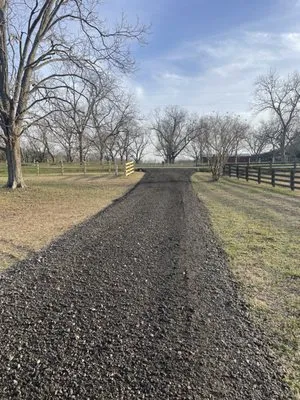
K & S Tractor Service is a locally-owned and operated business in Guyton, GA, founded by Steven with a passion for helping residents achieve their property goals. With about four years of experience, ...
RSA Services is a trusted local contractor in Metter, GA, specializing in lawn care, landscaping, and general construction. We help homeowners tackle common regional issues like soil compaction and st...
Blackdog Landscaping is your trusted local expert for lawn care in Guyton, GA. We specialize in diagnosing and solving the common landscaping challenges homeowners face in our area, such as soil compa...
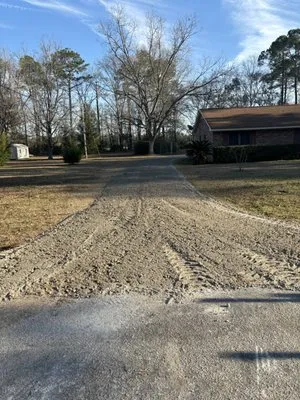
Rob's Property Maintenance is a licensed, insured, family-owned green industry business serving Ellabell, GA, and surrounding areas. Formerly known as Rob's Lawn Maintenance, we specialize in comprehe...
Roberts Cleaning Service is a licensed and insured commercial property maintenance company serving Savannah, Georgia, and the surrounding areas. We specialize in comprehensive office cleaning solution...
Estimated Landscaping Service Costs in Statesboro, GA
Frequently Asked Questions
What permits and credentials are needed for regrading our 0.25-acre lot?
Significant earth-moving or drainage work requires a permit from the Statesboro Planning & Development Department to ensure compliance with erosion and runoff controls. Crucially, the contractor must hold specific licensing from the Georgia Secretary of State Professional Licensing Boards for utility contracting. This guarantees they are bonded, insured, and trained in current Best Management Practices, protecting you from liability and substandard work on a property of this scale.
Our yard pools water after every rain. What's a long-term solution?
Pooling indicates the poorly drained clay subsoil common in our Ultisols. The primary solution is installing a French drain or dry creek bed to intercept subsurface water. For hardscape areas, specifying permeable clay pavers increases ground infiltration, which can help meet the City's runoff management standards. Amending planting beds with compost also improves soil permeability, directing water away from foundations.
What should I do about invasive weeds like cogongrass or Chinese privet?
Cogongrass is a serious alert; it requires immediate, professional herbicide treatment. For most invasive species, manual removal before seed set is effective. Any chemical application must follow Georgia's Year-Round Best Management Practices for nitrogen and phosphorus to protect local waterways. We use targeted, soil-health-focused methods that avoid broad-spectrum herbicides, preserving beneficial mycorrhizae and complying with all local guidance.
Why does our soil in Downtown Statesboro feel so compacted and tired?
Homes built around 1987, the average here, have soils that have matured for nearly 40 years. Ultisol, our predominant sandy loam, naturally compacts and becomes acidic over decades without intervention. The fine clay subsoil common in the area severely restricts root penetration and water percolation. Annual core aeration and incorporating 2-3 inches of composted organic matter are critical to rebuild structure and counteract inherent compaction.
How quickly can a crew respond for emergency storm debris cleanup to meet an HOA deadline?
For urgent compliance, our dispatch prioritizes Downtown Statesboro. A crew mobilizing from the Georgia Southern University Museum area can route via US-301/US-80 to reach most properties within the 20-30 minute peak response window. We coordinate with electric, battery-powered equipment to operate within standard noise ordinance hours, ensuring efficient debris processing and removal to meet strict timelines.
Are permeable clay pavers a better choice than wood for a new patio?
For longevity and ecology, clay pavers are superior. They have a 50+ year lifespan, resist weathering and insect damage, and require no chemical treatments. Their permeability manages stormwater runoff effectively. In our Moderate Fire Wise rating zone, non-combustible pavers also create critical defensible space, a safety advantage over wooden decks which represent a fuel source in the Wildland-Urban Interface.
Is there a lower-maintenance alternative to my high-input turf grass?
Transitioning to a landscape anchored by native plants like Purple Coneflower, Beautyberry, Oakleaf Hydrangea, and Switchgrass significantly reduces water, mowing, and chemical inputs. This xeriscape approach builds biodiversity and soil health. It also future-proofs your property against evolving noise ordinances that may restrict gasoline-powered blowers and mowers, as native beds require less frequent maintenance.
Can we have a green lawn with Stage 1 water conservation in effect?
Yes. TifTuf Bermuda and Centipede Grass are drought-tolerant, but precise watering is key. Wi-Fi ET-based irrigation controllers use local weather data to apply only the water lost to evapotranspiration, avoiding waste. This system automatically adjusts for rain, complying with voluntary conservation by preventing runoff. Deep, infrequent watering cycles encourage deeper root growth, enhancing the lawn's resilience within municipal guidelines.
