Top Landscaping Services in Sparta, GA, 31087 | Compare & Call

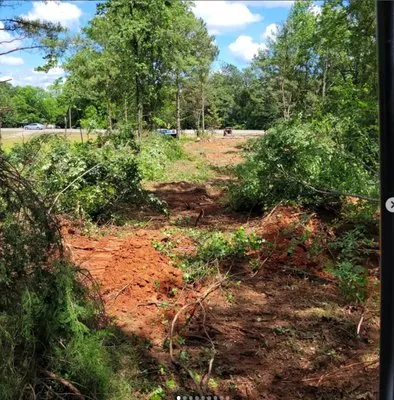
Ingram Clearing and Landscape is a Sparta-based company serving both residential and commercial clients with comprehensive outdoor services. We specialize in excavation, landscape maintenance, tree ca...

Time for A Cut Landscaping is a trusted local lawn care provider serving Sparta, GA, and the surrounding area. We focus on delivering reliable, high-quality service for both residential and commercial...

For the past eight years, I've been dedicated to perfecting my craft in yard work, and now I'm proud to bring that hands-on experience directly to Sparta residents as the owner of Reynolds Lawn Care A...
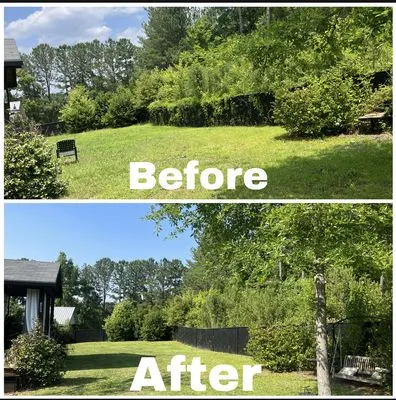
ML Landscaping is your local, full-service landscaping partner serving Sparta, GA, and the surrounding Milledgeville area. We handle everything from initial design to ongoing maintenance, ensuring you...

C&C Landscaping is a trusted local provider in Sparta, GA, specializing in comprehensive lawn, gutter, and irrigation services. We understand the common challenges Sparta homeowners face, such as land...

Tim and Brothers Landscaping is your trusted local partner for lawn and tree care in Sparta, GA. We understand the unique challenges Sparta homeowners face, especially with overgrown shrubs and tree r...
McPherson and Son Landscaping is a trusted, family-run business serving Sparta and the surrounding communities. With deep roots in the area, we understand the specific challenges local lawns and garde...
Baggett Landscaping is a trusted, locally-owned landscaping company serving homeowners throughout Sparta and Hancock County. We understand the common local challenges residents face, such as persisten...
FAQs
How quickly can you respond to emergency storm damage for HOA compliance?
Emergency cleanup crews dispatch from the Hancock County Courthouse area via GA-15, arriving within 45-60 minutes during peak response windows. We prioritize downed tree removal and debris clearance to meet Sparta Historic District maintenance standards. Our fleet includes electric chippers that comply with standard noise ordinances while processing material efficiently. Route optimization accounts for typical post-storm traffic patterns along major corridors.
How can I reduce maintenance while preparing for future landscaping regulations?
Replacing high-water turf areas with Eastern Redbud, Beautyberry, Switchgrass, and Black-eyed Susan natives creates resilient landscapes requiring minimal inputs. These adapted species support local pollinators while reducing mowing frequency and gas-powered equipment use. Transitioning to electric maintenance fleets now positions properties ahead of potential noise ordinance revisions targeting gas blowers. Xeriscaping principles applied to 0.50-acre lots can cut water use by 60% compared to traditional lawns.
What permits and licenses are required for grading work on my half-acre lot?
Grading projects altering more than 100 cubic yards of soil require Hancock County Planning and Zoning erosion control permits. Contractors must hold Georgia Department of Agriculture licensing for landscape construction, ensuring proper stormwater management implementation. On 0.50-acre lots, even minor regrading can trigger permit thresholds due to Sparta's moderate erosion potential. Licensed professionals carry bonding that protects homeowners from liability related to runoff affecting neighboring properties in the Historic District.
Should I choose local granite or wood for durable, fire-resistant hardscaping?
Local granite pavers offer superior longevity with 50+ year lifespans versus wood's 10-15 year replacement cycle. Granite's non-combustible nature supports Georgia Forestry Commission Moderate fire-wise ratings by creating defensible space around structures. Properly installed with polymeric sand joints, granite withstands Sparta's freeze-thaw cycles without heaving or deterioration. While initial costs are higher, lifecycle analysis shows 60% savings over wood when factoring in maintenance and replacement expenses.
What solutions prevent erosion on my sloped property with sandy loam soil?
Moderate erosion potential on Sparta's acidic sandy loam requires graded swales lined with local granite or permeable concrete pavers. These materials achieve 30-50% permeability rates, exceeding Hancock County Planning and Zoning runoff standards. French drain systems with clean stone aggregate redirect subsurface water flow while maintaining soil structure. Strategic placement of dry creek beds using native stone manages surface water without creating standing water issues.
Why does my lawn in the Sparta Historic District have such poor drainage and thin grass?
Properties built around 1985 in Sparta have approximately 41 years of soil development on acidic sandy loam Ultisols. These soils naturally compact over decades, reducing permeability and root penetration. Core aeration every 2-3 years with organic amendments like composted pine bark addresses compaction while maintaining the optimal pH 5.5-6.0 range. Without intervention, water infiltration rates drop below 0.5 inches per hour, creating runoff issues common in older neighborhoods.
What invasive species threaten Sparta landscapes and how should I treat them?
Chinese privet and Japanese stiltgrass present the highest invasive risks in Zone 8a, outcompeting native vegetation in acidic soils. Manual removal before seed set combined with targeted glyphosate applications during active growth phases provides effective control. Treatment timing avoids Georgia BMP nutrient management blackout dates (typically November-February) to prevent herbicide runoff. Regular monitoring of property edges near GA-15 right-of-ways catches new infestations early when management is most effective.
Can I maintain healthy turf while following Sparta's water conservation guidelines?
Smart Wi-Fi ET-based irrigation controllers automatically adjust watering schedules using real-time evapotranspiration data from local weather stations. These systems reduce Centipede or TifTuf Bermuda water use by 25-40% while maintaining turf health during Stage 1 voluntary conservation periods. Programming follows the 1-inch per week maximum recommendation, applying water during optimal 4-7 AM windows to minimize evaporation loss and comply with municipal water limits.
