Top Landscaping Services in Scottdale, GA, 30002 | Compare & Call
There are 224 landscaping companies server in Scottdale GA
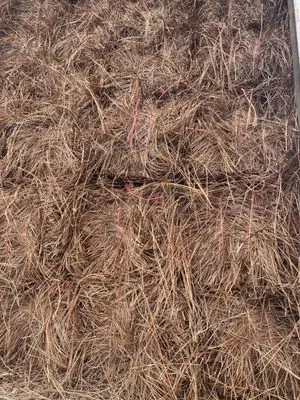
Flores Strawing is a Smyrna-based landscaping company dedicated to solving common local lawn challenges. Many Smyrna homeowners struggle with tree root damage that creates uneven, unsightly lawns and ...
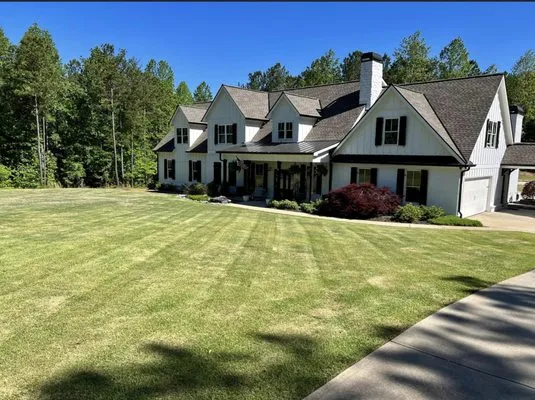
Lawn Frogs Landscaping has been serving the North Metro Atlanta area since 2003, providing reliable landscaping services to Dallas, GA, and surrounding communities. With over 15 years of experience, w...
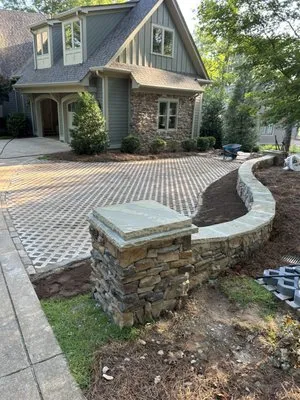
E Leveling Grading is a Bishop-based excavation, landscaping, and masonry company founded by Hunter, who brings over 20 years of local experience to every project. Specializing in services like land g...
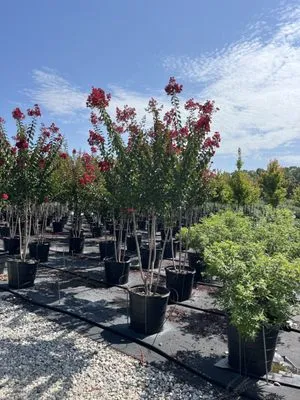
Varela's Landscaping has been a trusted name in Griffin, GA, for over 14 years, specializing in commercial architecture landscaping, irrigation systems installation, and professional landscaping desig...
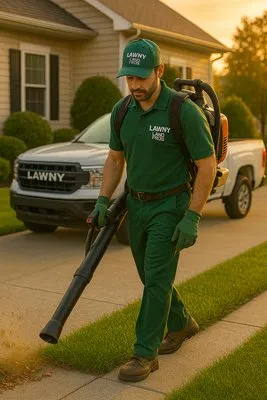
Lawny Land Pros is Ellenwood's trusted partner for a resilient and beautiful lawn. We understand the specific challenges homeowners face here, from clearing away storm debris that can damage your gras...
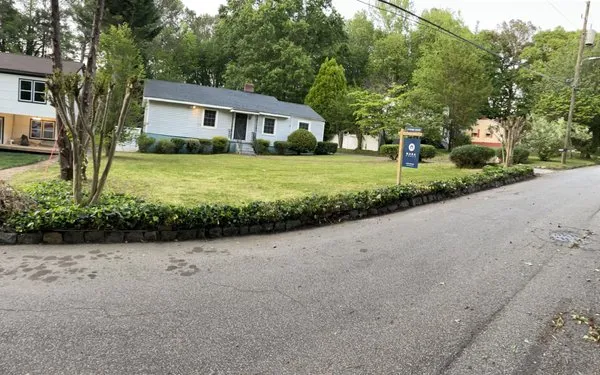
Lacy Lawns has built a reputation in the Greater Atlanta area for meticulous, client-focused lawn care. We understand that your outdoor space is an extension of your home, which is why we take the tim...
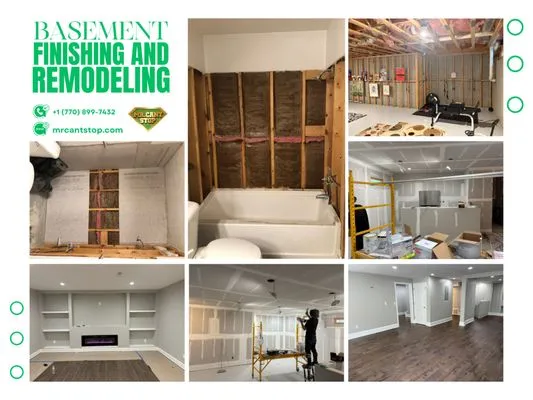
Mr Cant Stop
Mr Cant Stop is a locally owned and operated business in Lithia Springs, GA, founded by Reginald (Reggie) with over thirteen years of experience serving Metro Atlanta. Specializing in junk removal, ha...
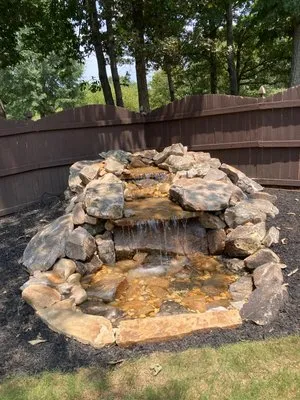
Enriquez Landscapes is a family-owned and operated Austell, GA business with over 20 years of dedicated service. We specialize in comprehensive landscaping, hardscaping, and masonry, from initial desi...
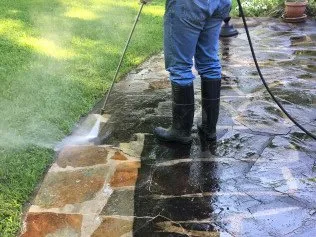
Mack, the general manager of Millsaps Landscaping in Atlanta, has over 15 years of hands-on experience in property maintenance. A lifelong Atlanta resident, his passion for caring for local homes and ...
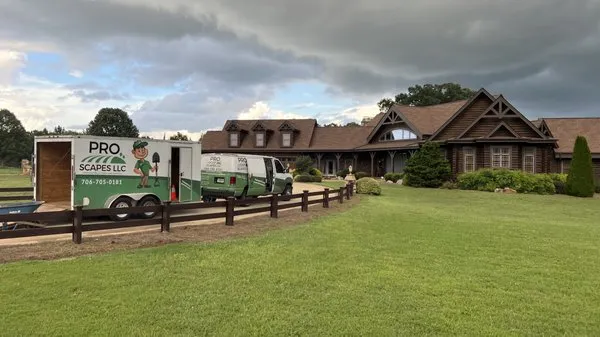
Pro Scapes is your dedicated landscaping partner serving Clarke and Oconee counties in Georgia. We operate locally with a strong background in both maintenance and comprehensive landscape installation...
Estimated Landscaping Service Costs in Scottdale, GA
Common Questions
A storm just downed a large limb in my yard. How quickly can a crew arrive for an emergency cleanup?
For urgent storm response, our primary dispatch is from Scottdale Park. Using I-285, we can typically reach most addresses within the Scottdale Historic District in 20-30 minutes, even during peak traffic. Crews are equipped with electric chippers and saws, compliant with DeKalb County's 7 AM to 9 PM noise ordinance, allowing for immediate, quiet work. We prioritize securing hazardous limbs and clearing driveways to restore safety and accessibility first.
I want to regrade part of my 0.32-acre lot. Do I need a permit, and what type of professional should I hire?
Yes, significant regrading on a lot of this size almost always requires a permit from the DeKalb County Planning & Sustainability office to ensure proper stormwater management and adherence to zoning codes. For design and oversight, you should engage a professional licensed by the Georgia State Board of Landscape Architects. Their stamp ensures the plan accounts for soil stability, drainage contours, and long-term erosion control—critical factors that general contractors may not be legally qualified to certify, protecting you from liability and substandard work.
My yard holds water after every rain. What's a lasting solution that also looks good?
Moderate runoff is a frequent issue with Cecil Sandy Loam due to subsurface clay pans that impede percolation. Installing a French drain system tied to a dry well addresses subsurface flow. For surfaced areas like patios or walkways, using permeable concrete pavers is a superior solution; they allow water to infiltrate directly into the soil, reducing runoff volume and meeting DeKalb County Planning & Sustainability standards for stormwater management. This combined approach mitigates erosion and ponding effectively.
Are permeable pavers a better choice than wood for a new patio, considering durability and fire safety?
For longevity and low maintenance in Scottdale's climate, permeable concrete pavers significantly outperform wood. They resist rot, insect damage, and weathering, with a lifespan measured in decades. From a Firewise perspective, their non-combustible nature is vital for creating defensible space in this Moderate-risk urban interface zone. Unlike wood decks or mulch, pavers provide a stable, fire-resistant zone adjacent to the home, enhancing property resilience without sacrificing aesthetics or permeability.
How can I keep my TifTuf Bermuda lawn alive during water restrictions without wasting water?
Under Stage 1 conservation rules, an ET-based, Wi-Fi-enabled irrigation system is critical. It automatically adjusts watering schedules using local weather data to apply only the precise amount of water lost to evapotranspiration. This technology prevents overwatering, a common issue with clay soils, and keeps TifTuf Bermuda in its ideal drought-tolerant range. Properly managed, this system maintains turf health while consistently staying below municipal water use limits, even during summer heat.
Why is the soil in my Scottdale Historic District yard so compacted and acidic, and what should I do about it?
Lots in this neighborhood, developed around 1983, have had over 40 years of soil maturation on native Cecil Sandy Loam. This Ultisol is naturally acidic, typically pH 5.5-6.2, and decades of foot traffic and conventional lawn care have exacerbated its clay-heavy compaction. The resulting low permeability restricts root growth and water infiltration. Annual core aeration in early spring, followed by amending with composted leaf mulch, is essential to improve soil structure and gradually neutralize acidity for healthier plant life.
I see invasive vines taking over. How do I remove them without harming my garden or breaking local rules?
Common invasive alerts for this area include English Ivy and Kudzu. Manual removal of roots is most effective, followed by a targeted, systemic herbicide application in late fall when native plants are dormant. This timing and method minimize collateral damage. Crucially, any follow-up fertilization must adhere to Georgia BMPs, which prohibit phosphorus application unless a certified soil test confirms a deficiency. This ensures treatment doesn't violate nutrient management ordinances.
I want to reduce mowing, gas usage, and water. What should I plant instead of grass?
Transitioning to a xeriscape with regionally native plants is a forward-thinking strategy. Species like Purple Coneflower, Little Bluestem, and Oakleaf Hydrangea are adapted to Zone 8a's climate and our acidic soil, requiring minimal irrigation once established. This landscape drastically cuts water use and eliminates weekly mowing, aligning with evolving noise ordinances that incentivize electric-only maintenance. It also provides superior habitat for pollinators, enhancing local biodiversity.
