Top Landscaping Services in Royston, GA, 30662 | Compare & Call

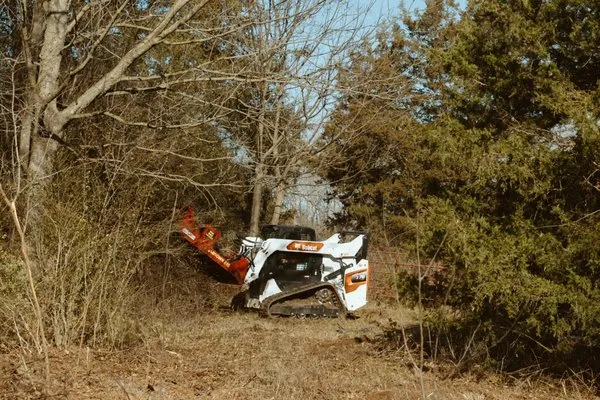
Southeast Land Management is a full-service land management company serving Royston and surrounding communities. We specialize in excavation, landscaping, and dumpster rental services to help homeowne...
Yards & Farms Landscaping has been a trusted name in Royston, GA, for over 20 years, specializing in tree services, landscaping, and pressure washing. Our experienced team handles everything from driv...
Renegade Lawn Care is a trusted lawn service provider in Royston, GA, dedicated to helping local homeowners achieve and maintain healthy, vibrant lawns. We specialize in comprehensive lawn care soluti...
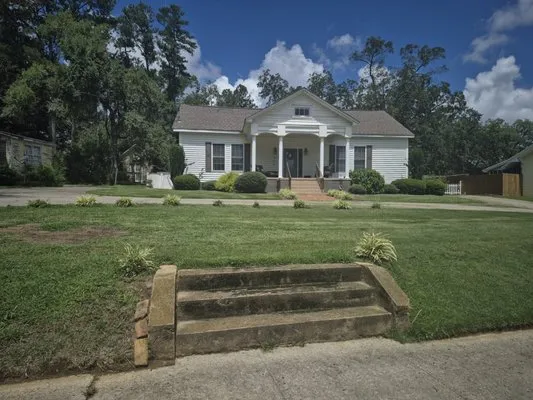
Blackmon Land Services is a trusted lawn care provider serving Royston, GA, and the surrounding communities. We specialize in comprehensive lawn care solutions designed to address common local landsca...

Grandeur Expertise Landscape & Designs
Grandeur Expertise Landscape & Designs LLC is a full-service landscaping company dedicated to serving Royston, GA, and its neighboring communities. We specialize in creating and building unique, one-o...

C & O Landscaping is a trusted, locally owned landscaping company serving Royston, GA, and the surrounding areas. We specialize in diagnosing and correcting the specific soil and turf problems common ...
Lil Bit's Cleaning and Yard Services is a trusted, locally-owned company serving homeowners in Royston, GA. We specialize in comprehensive lawn care and home cleaning, providing reliable solutions for...
Georgia Landscape & Design is a trusted local landscaping company serving Royston and surrounding communities. We specialize in identifying and fixing common property issues, such as costly sprinkler ...
Prince Lawn Care is a trusted lawn service provider in Royston, GA, dedicated to helping homeowners maintain healthy, beautiful outdoor spaces. We specialize in comprehensive lawn care solutions that ...
Last Call Lawn Care is your trusted local lawn service provider in Royston, GA, dedicated to solving common landscaping issues faced by homeowners in our community. We specialize in comprehensive lawn...
Frequently Asked Questions
What permits and contractor credentials are needed for regrading and drainage work on my 0.35-acre lot?
Significant regrading that alters water flow or involves retaining walls over 4 feet typically requires a permit from the Royston Planning & Zoning Department. The contractor must hold appropriate licensing through the Georgia Secretary of State Professional Licensing Boards, such as a Landscape Contractor license for projects exceeding $2,500. For earth moving impacting more than one acre, a state NPDES land disturbance permit may apply. Always verify current licensing and insurance for liability coverage specific to drainage and grading on residential properties.
How quickly can you respond for an emergency storm cleanup to ensure HOA compliance?
Emergency dispatch for Downtown Royston coordinates from Royston City Hall, utilizing GA-17 for primary access. Our peak storm response window is 20-30 minutes. Crews operate within the 7am-9pm noise ordinance using electric equipment for quieter operation. The protocol includes rapid debris staging away from drainage paths and immediate documentation for any insurance or HOA reporting requirements your property may have.
My yard stays soggy for days after rain. What's the best solution for Royston's clay-heavy soil?
Moderate runoff in Cecil clay loam is a permeability issue. Solutions begin with regrading to direct water away from foundations and toward a dry well or rain garden. Replacing solid concrete walkways with permeable concrete pavers increases infiltration. The Royston Planning & Zoning Department may require a drainage plan for significant regrading. For chronic saturation, a French drain system lined with non-woven geotextile and gravel will intercept subsurface water, protecting your lawn from root rot.
Are concrete pavers or local granite a better long-term choice than wood for patios and walkways?
Concrete pavers and local granite offer superior longevity and permeability compared to wood, which decays and requires chemical treatment. Granite provides a permanent, frost-heave-resistant installation with zero maintenance. Both materials support Royston's Moderate Firewise USA rating by creating non-combustible defensible space zones near structures. Their high albedo also reduces urban heat island effect compared to asphalt, and their modular nature allows for root growth in joints, supporting soil health.
Why does my yard in Downtown Royston have such hard, compacted soil that doesn't absorb water well?
Royston's typical 1977 construction date indicates nearly 50 years of soil compaction from initial grading, traffic, and standard lawn care. The prevalent Cecil Sandy Clay Loam ultisol naturally hardens when compacted, reducing permeability and root penetration. This history necessitates core aeration every 1-2 years to alleviate density. Incorporating 2-3 inches of composted organic matter after aeration will gradually rebuild soil structure and moderate the naturally acidic pH toward a more neutral range for plant health.
How can I maintain a healthy lawn with Tall Fescue and TifTuf Bermuda during Royston's water restrictions?
Effective irrigation relies on evapotranspiration-based scheduling rather than fixed timers. A Wi-Fi ET controller uses local weather data to apply water only when soil moisture deficits occur, typically reducing usage 20-40%. For Royston's zone 8a, this means deep, infrequent watering cycles that encourage deeper root growth in both grass types. This system automatically adheres to any EPD-mandated restrictions by pausing during rainfall, preserving municipal water while meeting turfgrass hydroperiod needs.
What are low-maintenance alternatives to my high-input lawn that fit Royston's environment?
Transitioning perimeter zones to a xeriscape of native plants like Purple Coneflower, Switchgrass, and Beautyberry reduces water, mowing, and chemical inputs. These species are adapted to local pH and climate, requiring minimal irrigation once established. This shift preempts tightening noise ordinances by eliminating weekly gas mower use. A layered planting approach supports 2026 biodiversity standards, providing habitat and requiring only an annual cutback with electric equipment.
What invasive species should I watch for, and how do I treat them safely near waterways?
Primary alerts are for Chinese Privet and Japanese Stiltgrass, which outcompete natives like Eastern Redbud. Manual removal before seed set is most effective. For chemical control, use glyphosate or imazapyr spot treatments strictly during dry periods to prevent runoff, adhering to Georgia BMPs that restrict phosphorus near waterways. Never apply during the local fertilizer blackout dates. For large infestations, sequential treatment combining cutting and targeted herbicide in fall minimizes ecological impact.
