Top Landscaping Services in Rome, GA, 30149 | Compare & Call
There are 218 landscaping companies server in Rome GA
D's Handy Services is a trusted local provider in Rome, GA, offering comprehensive lawn care, handyman, and pressure washing solutions. Many Rome homeowners face common landscaping challenges like dea...

Pledgers Land Care & More is your Armuchee neighbor for dependable landscaping solutions. We understand the local challenges, from unsightly dead patches in your lawn to persistent weeds taking over y...
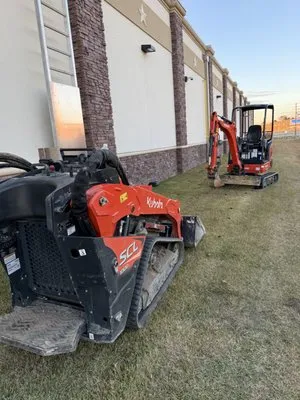
JB’s Small Tractor Works and Stump Grinding
JB's Small Tractor Works and Stump Grinding was founded in Dalton, GA, with a simple, neighborly mission: to help homeowners and businesses with their smaller-scale projects without the high minimum f...

Black & More Tree in Rome, GA, is a locally owned and operated umbrella corporation founded in 2019 with a mission to serve the community by creating jobs and providing essential services. As the busi...
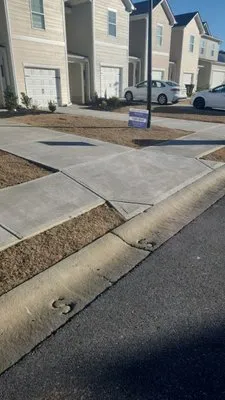
Extravacuts is a locally owned landscaping company serving Calhoun, GA, dedicated to creating and maintaining beautiful, functional outdoor spaces. Our team focuses on reliable lawn care services, fro...
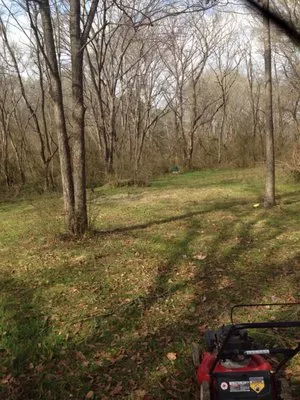
Morris Painting & Lawn Service
Morris Painting & Lawn Service is a locally owned and operated home services business in Cedartown, Georgia, dedicated to improving your property with care and attention to detail. Owner Josh Morris b...
Adams Lawn Care
Adams Lawn Care is your trusted local landscaping partner in Taylorsville, GA, specializing in comprehensive landscape design, maintenance, and tree care services. We understand the unique challenges ...

Backwoods Tree Service is a trusted local provider in Rome, GA, specializing in comprehensive tree and lawn care solutions. Many Rome homeowners face common landscaping challenges like bare lawn patch...
Serving Rome, GA, P&H Landscaping is your local expert for maintaining a healthy, beautiful outdoor space. We understand the common challenges homeowners face, like damaged landscape edging and patchy...
Tee Springs Detailing N Landscaping serves Cave Spring, GA, with comprehensive property care solutions. We address the common local challenges of dying shrubs and post-storm debris by providing expert...
Estimated Landscaping Service Costs in Rome, GA
Common Questions
I have an urgent HOA compliance notice for overgrown vegetation. What is your fastest response time for an emergency cleanup?
Our dispatch from Rome City Hall uses US-27 for primary routing, ensuring a 20-30 minute arrival to the Between the Rivers district during peak hours. We maintain dedicated electric equipment fleets for immediate, quiet operation within the local noise ordinance hours. This allows for rapid debris management and turf mowing to meet most compliance deadlines within the same business day.
How can I maintain a healthy Tall Fescue lawn under Rome's voluntary water conservation guidelines?
Wi-Fi ET-based irrigation controllers are essential. They automatically adjust watering schedules by using local evapotranspiration data, applying water only when the turfgrass needs it. This technology can reduce potable water use by 20-30% while keeping Tall Fescue viable. Deep, infrequent watering cycles early in the morning further encourage drought-tolerant root growth within conservation parameters.
What permits and contractor qualifications are needed to regrade my 0.25-acre lot?
Any significant grading altering water flow requires a land disturbance permit from the Rome-Floyd Planning Department. On a lot of this size, contracting with a licensed landscape architect or a contractor certified by the Georgia Department of Agriculture is legally prudent. They ensure engineered solutions that prevent off-site sedimentation and comply with state BMPs, protecting you from liability and substandard work.
My yard in the Between the Rivers Historic District seems to have heavy, slow-draining soil. Is this typical for older neighborhoods here?
Yes, this is a standard soil profile for homes built around 1975, giving you approximately 51 years of soil maturity. The prevalent Ultisol clay loam becomes compacted over decades, reducing percolation and creating a dense, acidic layer. Core aeration in early spring or fall, combined with incorporating composted pine bark fines, directly addresses this compaction and gradually adjusts the pH for healthier root zones.
My property has persistent puddling after rain. What solutions work best with our clay soil?
Moderate runoff is common due to the low permeability of acidic clay loam. Integrating permeable concrete pavers for patios or walkways creates a subsurface reservoir, allowing water to infiltrate slowly. For severe saturation, a French drain system tied to a daylight outlet is often necessary. These approaches manage stormwater on-site and typically meet the Rome-Floyd Planning Department's updated runoff standards.
I want to reduce weekly mowing and gas-powered noise. What are the best low-input alternatives?
Transitioning sections of high-maintenance turf to a xeriscape with native plants like Oakleaf Hydrangea, Purple Coneflower, and Switchgrass drastically cuts water, mowing, and fertilization needs. This biodiversity planting is inherently quieter, aligning with the shift toward electric maintenance equipment mandated by noise ordinances. It also provides superior habitat and requires only seasonal cutting back, not weekly fuel consumption.
Are permeable pavers and native fieldstone a durable choice compared to traditional wood decking?
Yes, significantly. Permeable concrete pavers and dry-laid native fieldstone offer a 50+ year lifespan with minimal maintenance, unlike wood which requires sealing and replacement. From a Firewise perspective, these non-combustible materials are superior for creating defensible space in this moderate-risk urban interface zone. Their inherent permeability also reduces heat island effect and manages runoff directly at the source.
I've spotted what looks like invasive Chinese Privet. How should I handle it without harming my garden?
Correct identification is critical; other common alerts include Japanese Knotweed and Cogongrass. For woody invasives like privet, a targeted cut-stump application of a glyphosate-based herbicide in late summer is most effective. Always follow Georgia BMP guidelines, which prohibit phosphorus and require a soil test before any fertilizer application. Manual removal of seedlings is necessary for several seasons to exhaust the seed bank.
