Top Landscaping Services in Powder Springs, GA, 30127 | Compare & Call
There are 224 landscaping companies server in Powder Springs GA
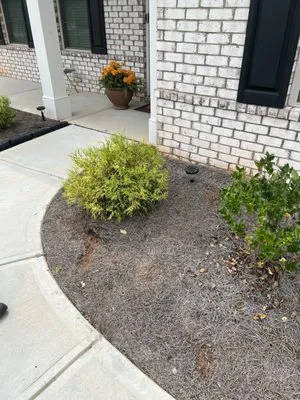
Big Jim's Lawn Care is a trusted, Black-owned lawn service provider proudly serving the Powder Springs and greater Cobb County community. Our foundation is built on a simple, powerful principle: your ...
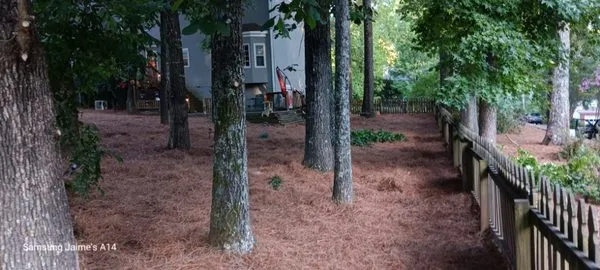
The Yard O Rican is a Black Latino Queer-owned landscaping and tree service business based in Powder Springs, GA, serving the Atlanta Metro area both ITP and OTP. Founded in 2020, the business took on...

Reel Green Landscape is a trusted, locally-owned landscaping company serving Powder Springs, GA, and the surrounding communities. We understand the common local challenges homeowners face, such as lan...
Lone Wolf Property Care
Lone Wolf Property Care is your trusted local expert in Powder Springs, GA, dedicated to enhancing the beauty and integrity of your home. We specialize in comprehensive lawn services and professional ...
WR Landscaping is your dedicated landscaping partner in Powder Springs, GA. We understand the common challenges local homeowners face, such as persistent weeds taking over mulch beds and uneven sprink...
Hernande is a dedicated lawn care provider serving the Powder Springs, GA community. We specialize in addressing common local lawn problems, such as patchy grass and damage caused by tree roots, which...
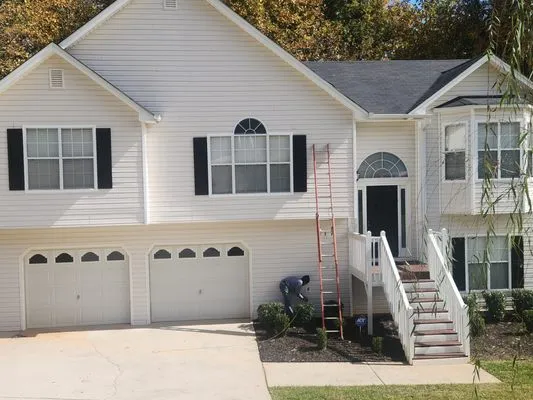
Arm Solutions is a trusted lawn care provider serving Powder Springs, GA, specializing in comprehensive lawn maintenance and health. We understand the unique challenges homeowners face in our area, su...

H&M Hardscapes & Pools is a full-service landscaping and pool company serving Powder Springs, GA. We specialize in transforming outdoor spaces through comprehensive services including earthmoving, dri...
Centeno Landscaping Services is a family-owned business serving Powder Springs, GA, with a commitment to quality that stands out in the community. We take pride in offering fair pricing and clear comm...
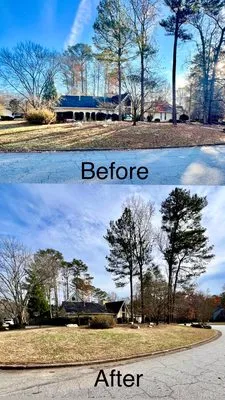
CMP Lawn Services is a trusted local lawn care provider in Powder Springs, Georgia, specializing in comprehensive lawn maintenance. We understand the common local landscaping challenges, such as dying...
Estimated Landscaping Service Costs in Powder Springs, GA
FAQs
My yard floods after heavy rain. What are the best solutions?
High runoff potential is inherent to our clay Ultisols, which have very low percolation rates. Solutions focus on intercepting and redirecting water. Installing French drains or dry creek beds is effective, and using permeable concrete pavers for any new patios or walkways reduces impervious surface area. These strategies often meet the Powder Springs Community Development Department's stormwater management standards by mitigating off-site flow.
What are low-maintenance alternatives to my traditional lawn?
Transitioning to a climate-adaptive landscape with native plants like Purple Coneflower, Switchgrass, and Eastern Redbud significantly reduces water, mowing, and chemical inputs. This xeriscaping approach creates a resilient ecosystem that supports local pollinators. It also future-proofs your property against evolving noise ordinances that may restrict gas-powered blowers and mowers, as these plantings require minimal seasonal cleanup.
Are concrete pavers or Georgia granite better than wood for a patio?
For longevity and fire resilience, inorganic materials like concrete pavers and Georgia granite are superior to wood. They offer a 40+ year lifespan with minimal maintenance and do not combust. In Powder Springs' Moderate Fire Wise rated urban-wildland interface, using these materials for patios and pathways contributes to defensible space by creating a non-flammable zone around structures, a key safety consideration.
What is your response time for an urgent storm damage cleanup?
For emergency HOA compliance or storm debris removal, our standard dispatch from Powder Springs Park via SR 360 (Powder Springs Rd) is 20-30 minutes during peak hours. Our electric fleet operates within the local noise ordinance window of 7:00 AM to 9:00 PM, allowing for immediate, compliant deployment. We prioritize routing that avoids major congestion to ensure timely site assessment and initial safety mitigation on your 0.35-acre property.
How can I keep my Tall Fescue green without wasting water?
Under standard Georgia EPD watering rules, efficient irrigation requires precise scheduling. Wi-Fi ET-based weather sensing controllers are critical; they adjust runtimes daily based on local evapotranspiration data, preventing overwatering. For the blend of Tall Fescue and TifTuf Bermuda common here, these controllers can reduce water use by 20-30% by aligning irrigation with actual plant needs and automatically bypassing cycles after rainfall.
Why is the soil in my yard so poor, and what can be done about it?
Properties in Downtown Powder Springs, built around 1994, have approximately 32-year-old soil profiles. This soil is predominantly Cecil Series Ultisols, a dense, acidic clay with a pH of 5.5-6.2 that compacts over decades of standard maintenance. The low permeability creates a hardpan layer, restricting root growth and water infiltration. To correct this, a core aeration program combined with incorporating 2-3 inches of organic compost is essential to rebuild soil structure and biological activity.
What permits and contractor licenses are needed for grading my yard?
Significant grading or earth-moving on a 0.35-acre lot typically requires a land disturbance permit from the Powder Springs Community Development Department. State law mandates that any contracting work valued over $2,500 be performed by a licensed landscape professional. Verify active licensing with the Georgia Secretary of State Professional Licensing Boards to ensure compliance with liability insurance and bonding requirements, which protect your property investment.
What invasive weeds should I watch for, and how are they treated?
Common invasive alerts for Zone 8a include Japanese stiltgrass and Chinese privet. Management requires a targeted, seasonal approach. For stiltgrass, a pre-emergent herbicide applied in early spring before seed germination is most effective, aligning with nutrient management best practices. Manual removal of privet is recommended, ensuring all root material is extracted to prevent regrowth without violating any local fertilizer or pesticide application blackout dates.
