Top Landscaping Services in Pooler, GA, 31302 | Compare & Call
There are 218 landscaping companies server in Pooler GA
MB Peralta Construccion is a trusted landscaping company serving Savannah, GA, with a focus on practical solutions for local property owners. We specialize in addressing common regional challenges lik...
Wayne's Power Wash & Lawncare is a trusted local provider in Bloomingdale, GA, specializing in pressure washing and comprehensive lawn services. We help homeowners and businesses maintain beautiful, h...

Metro Lawn Care is a trusted local lawn service provider in Port Wentworth, GA, specializing in comprehensive lawn care solutions tailored to our community's specific needs. We understand that many ho...
Grow It We Mow It is your trusted local lawn and tree care specialist serving Bloomingdale, GA. We provide comprehensive lawn care and tree care services designed to keep your property healthy and bea...
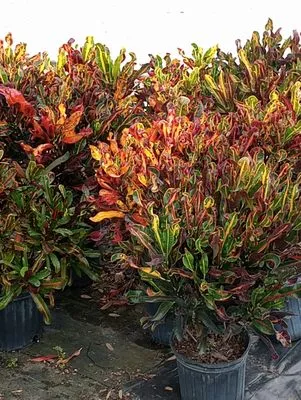
Traditional Lawn is a Savannah-based lawn care service dedicated to helping local homeowners maintain healthy, beautiful yards. In Savannah's climate, many properties face common landscaping challenge...
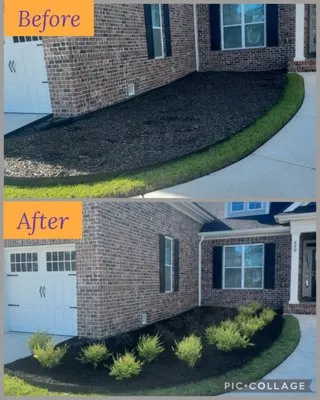
Clover Landscaping is a trusted local landscaping company serving Savannah, GA, specializing in comprehensive lawn and shrub care. We help Savannah homeowners address common landscaping challenges lik...

AR Outdoor Services is a trusted local provider in Savannah, GA, specializing in comprehensive lawn care, tree services, and junk removal. Our team is dedicated to enhancing your property's curb appea...
Mckay's Pressure Washing And Lawn Care LLC is a trusted local provider in Pooler, GA, specializing in comprehensive landscaping and pressure washing solutions. We help homeowners and businesses mainta...
Per Freshoinal is a trusted, locally-owned general contractor and lawn care provider serving Bloomingdale and the surrounding communities. We specialize in diagnosing and repairing the common local la...
Santy Homes is a trusted landscaping company serving Savannah, GA, specializing in landscape design to enhance outdoor spaces. We understand the common local challenges homeowners face, such as standi...
Estimated Landscaping Service Costs in Pooler, GA
Frequently Asked Questions
How should I handle invasive species without harming my landscape?
Cogongrass and Chinese privet present the highest invasive risks in Pooler's Zone 8b environment. Manual removal with root extraction works for small infestations, while targeted glyphosate applications follow state BMPs for phosphorus buffer zones. Treatment timing avoids local fertilizer ordinance blackout dates typically in late summer. Regular monitoring prevents re-establishment while protecting native Beautyberry and Muhly Grass populations.
How quickly can you respond to an emergency storm cleanup in Pooler?
Our team dispatches from Pooler City Hall within 15 minutes of notification, taking I-95 to reach Godley Station properties. During peak conditions, arrival typically occurs within 20-30 minutes depending on traffic patterns. We prioritize safety assessments before beginning debris removal operations. All equipment is maintained for immediate deployment following severe weather events in USDA Zone 8b.
What solutions work for seasonal water pooling in my yard?
Coastal Plain Sandy Loam combined with Pooler's high water table creates seasonal saturation issues. Installing French drains with clean gravel and perforated pipe redirects subsurface water away from foundations. Permeable concrete pavers or crushed granite hardscapes meet Pooler Planning and Zoning Department runoff standards by allowing infiltration. Grading adjustments of 1-2% slope toward drainage points prevent surface water accumulation.
Are concrete pavers better than wood for Pooler's climate?
Concrete pavers and crushed granite outperform wood in longevity, resisting termites and moisture decay common in Georgia's humid climate. These materials maintain structural integrity for 25+ years with minimal maintenance compared to wood's 10-15 year lifespan. Their non-combustible nature supports Moderate Firewise USA Community ratings by creating defensible space. Proper installation with geotextile fabric prevents weed penetration while allowing drainage.
How do I keep my lawn green during Pooler's Stage 1 water restrictions?
Smart Wi-Fi ET-based controllers adjust watering schedules daily based on evapotranspiration data and weather forecasts. These systems reduce water use by 20-30% compared to traditional timers while maintaining Centipede or St. Augustine turf health. Programming separate zones for sun and shade areas prevents overwatering. Municipal compliance is automatic as the controller stays within permitted watering windows and volume limits.
What low-maintenance alternatives exist for my high-water turf?
Replacing turf areas with Southern Magnolia, Beautyberry, Swamp Sunflower, and Muhly Grass reduces water needs by 70-80% once established. These natives require no fertilization beyond initial planting and tolerate Zone 8b conditions without irrigation after year two. Transitioning to electric maintenance equipment preempts potential gas-blower restrictions under standard noise ordinances. This approach creates habitat while minimizing long-term maintenance inputs.
What permits and licenses are needed for grading my 0.22-acre lot?
The Pooler Planning and Zoning Department requires grading permits for any cut/fill exceeding 50 cubic yards on residential properties. Contractors must hold appropriate licensing through Georgia Secretary of State Professional Licensing Boards for earthwork operations. Professional oversight ensures proper drainage patterns and prevents soil erosion into neighboring lots. Unlicensed grading risks fines and may void property insurance coverage for drainage-related damage.
Why does my Godley Station lawn struggle despite regular care?
Most Pooler homes built around 2006 have Coastal Plain Sandy Loam soil that has matured for 20 years. This soil type in Godley Station tends to compact over time, reducing permeability and root penetration. Core aeration every 2-3 years is essential to break up compaction layers and improve oxygen flow. Incorporating 2-3 inches of organic compost annually addresses the naturally acidic pH range of 5.5-6.5 while building soil structure.
